News
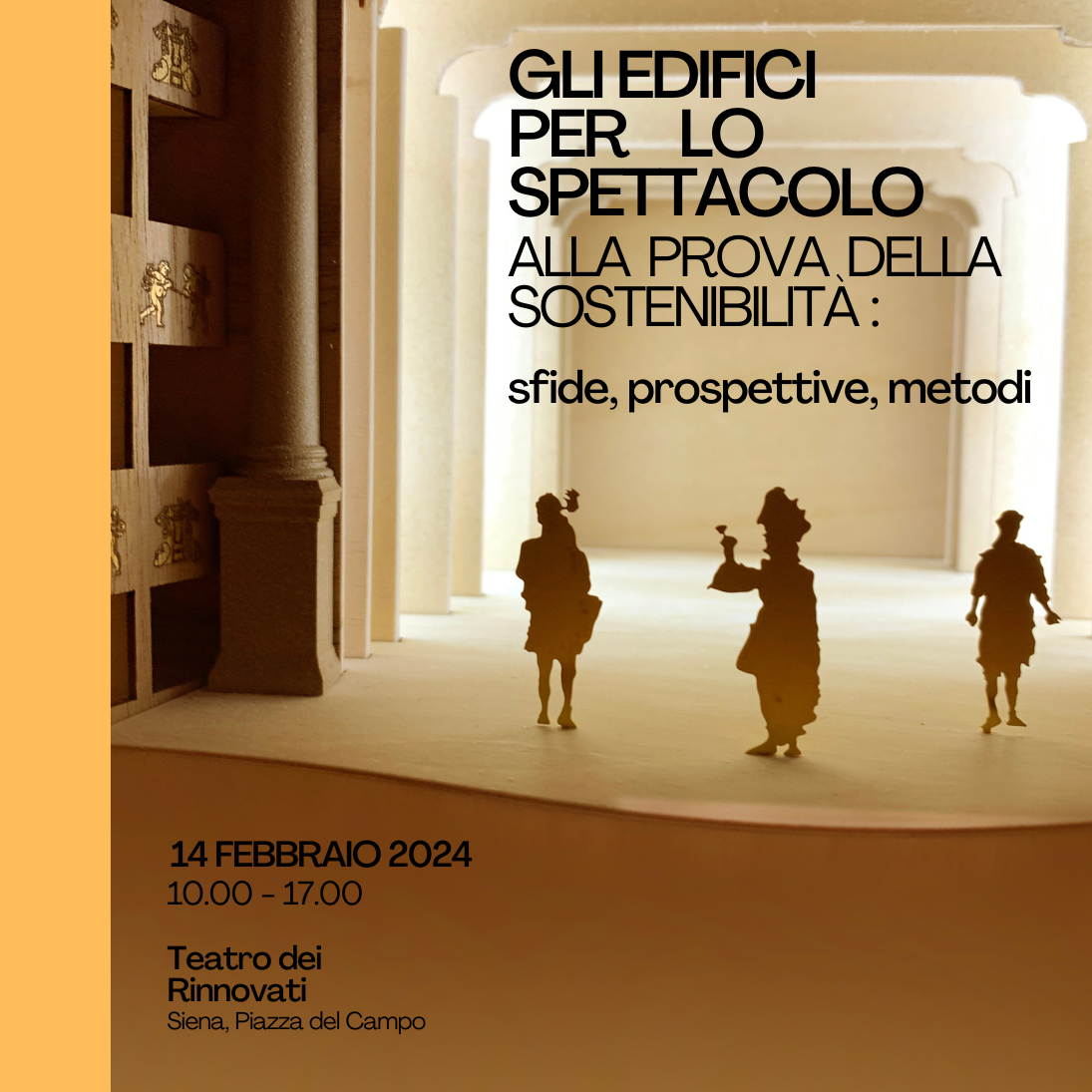
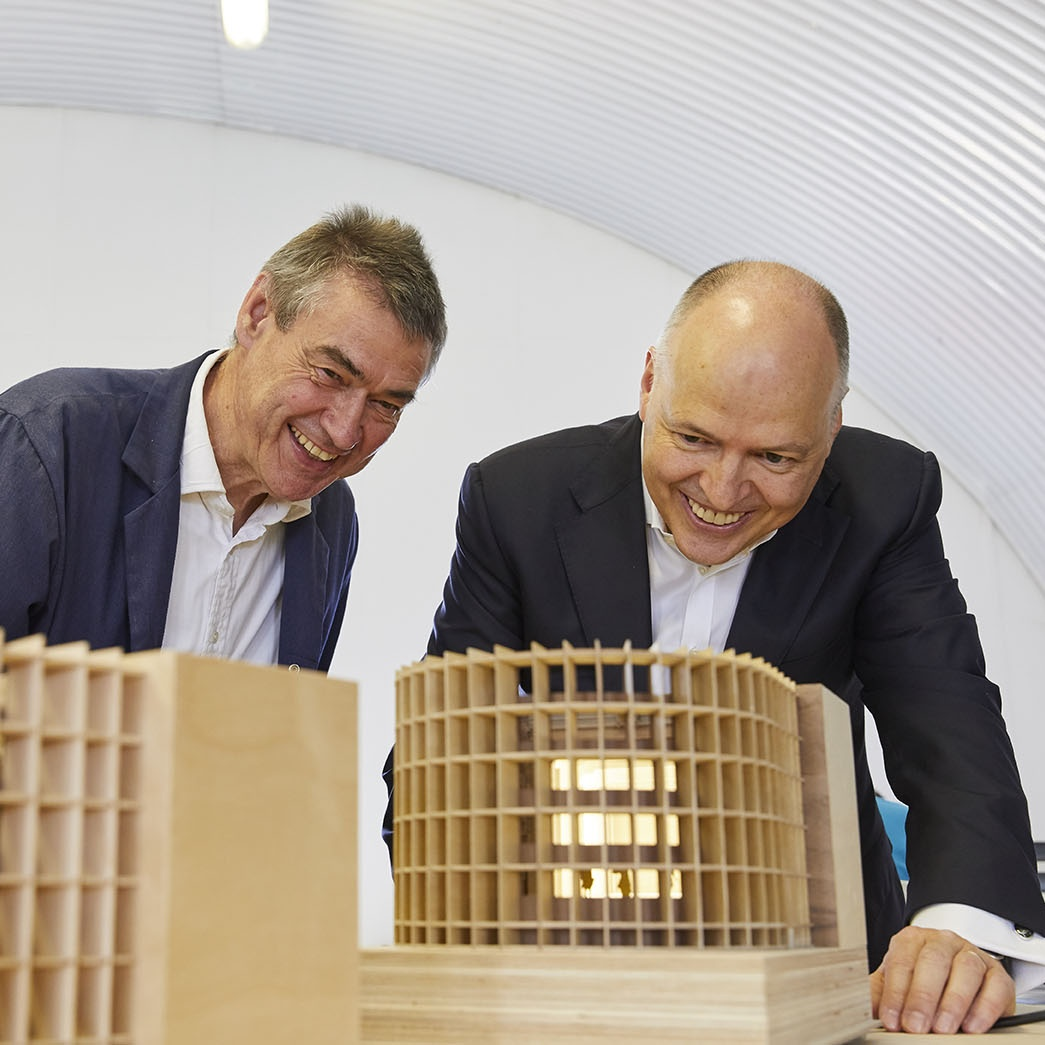
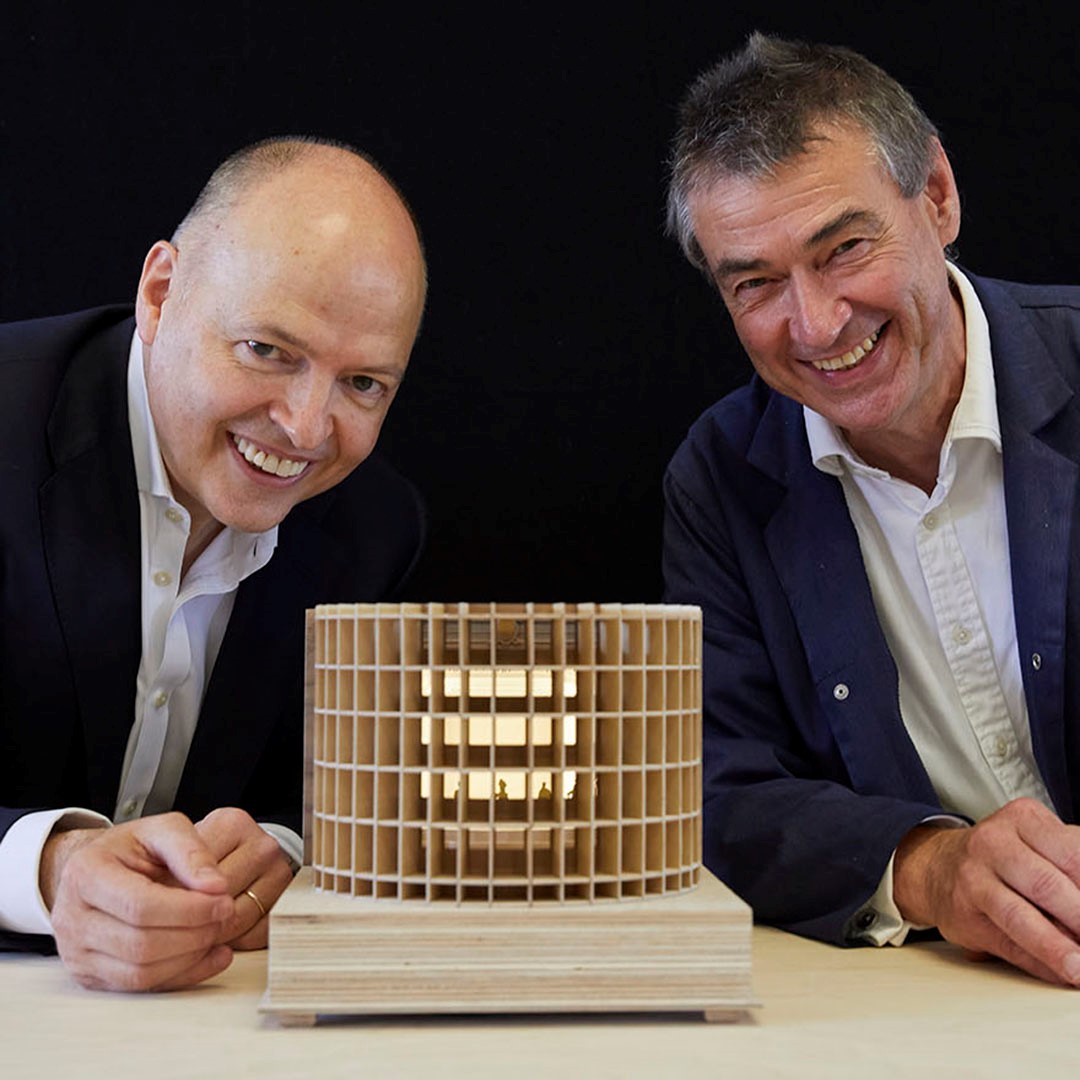
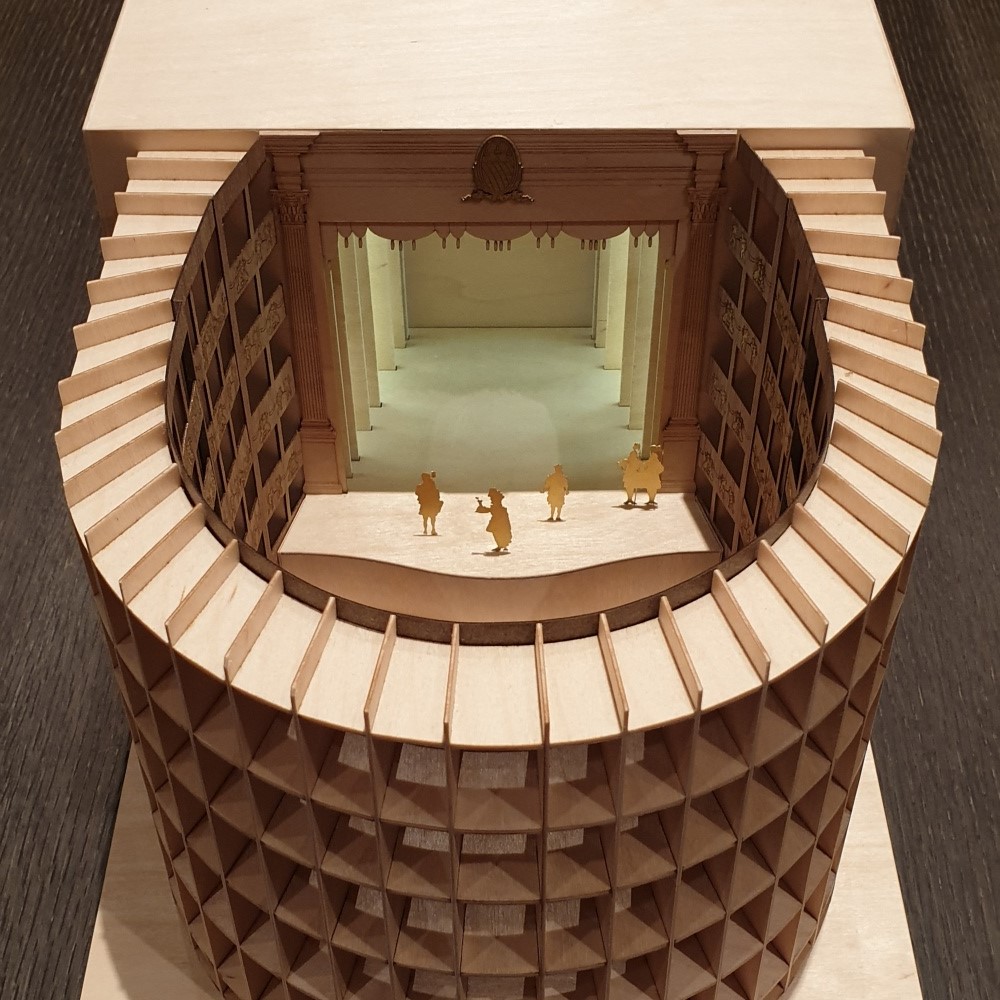
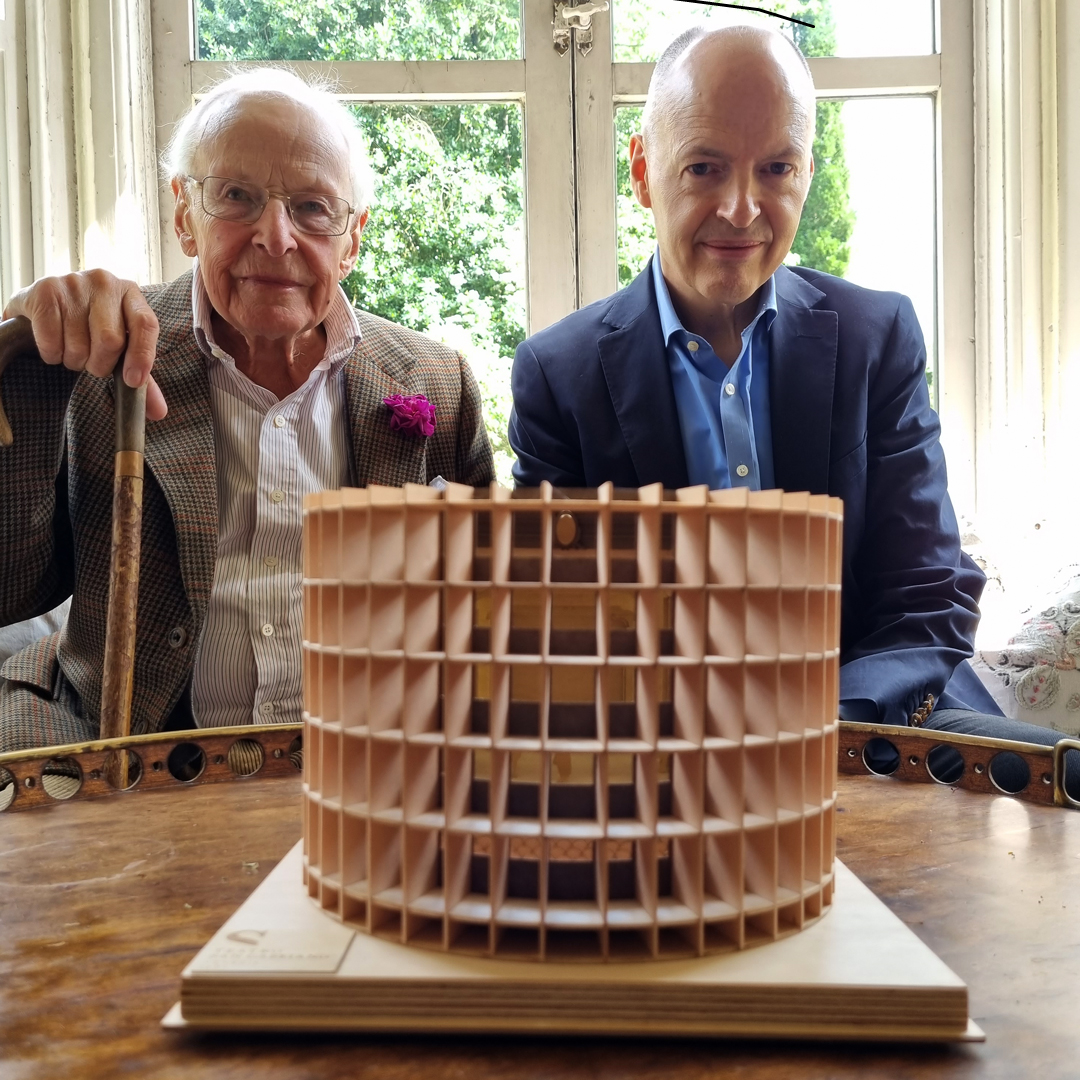
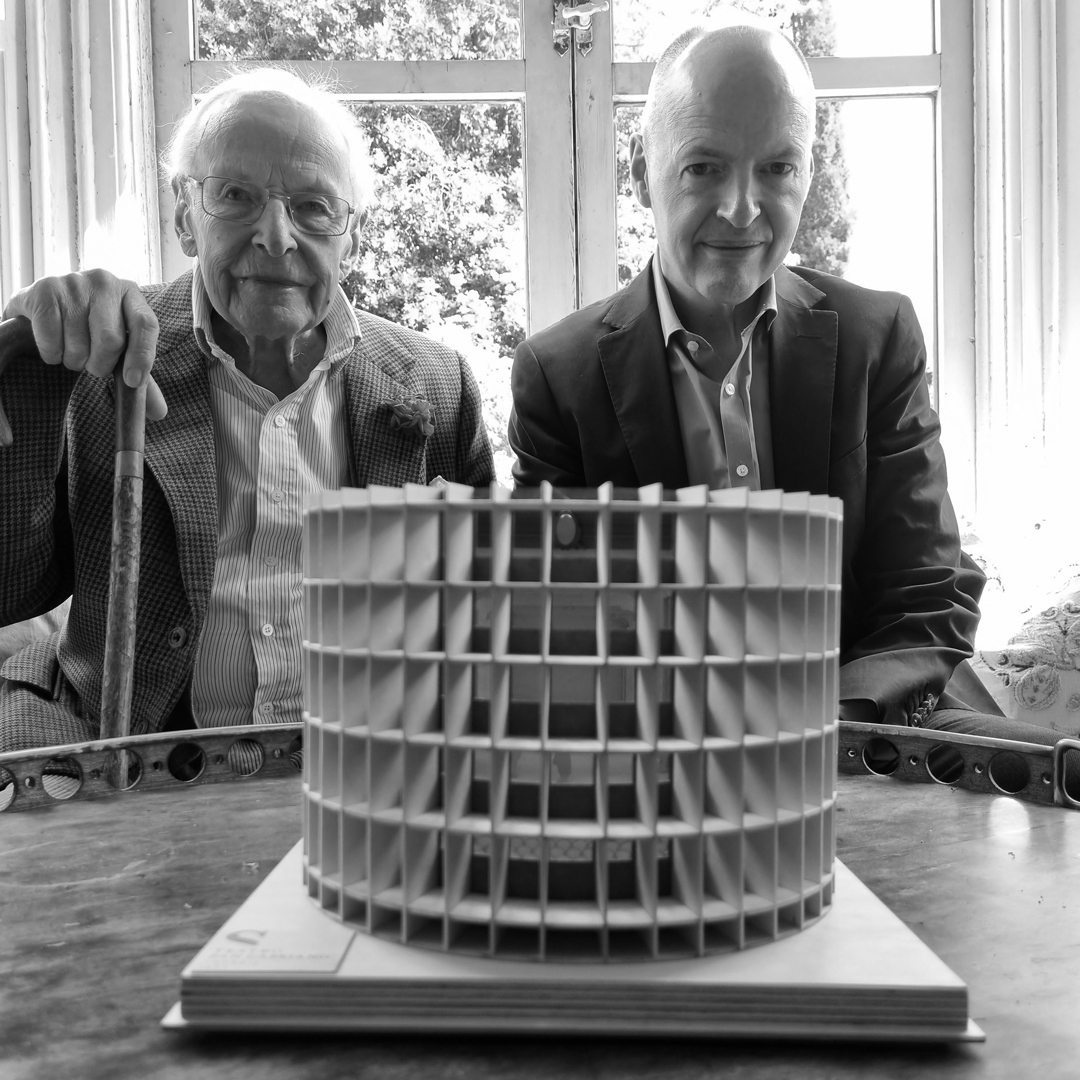
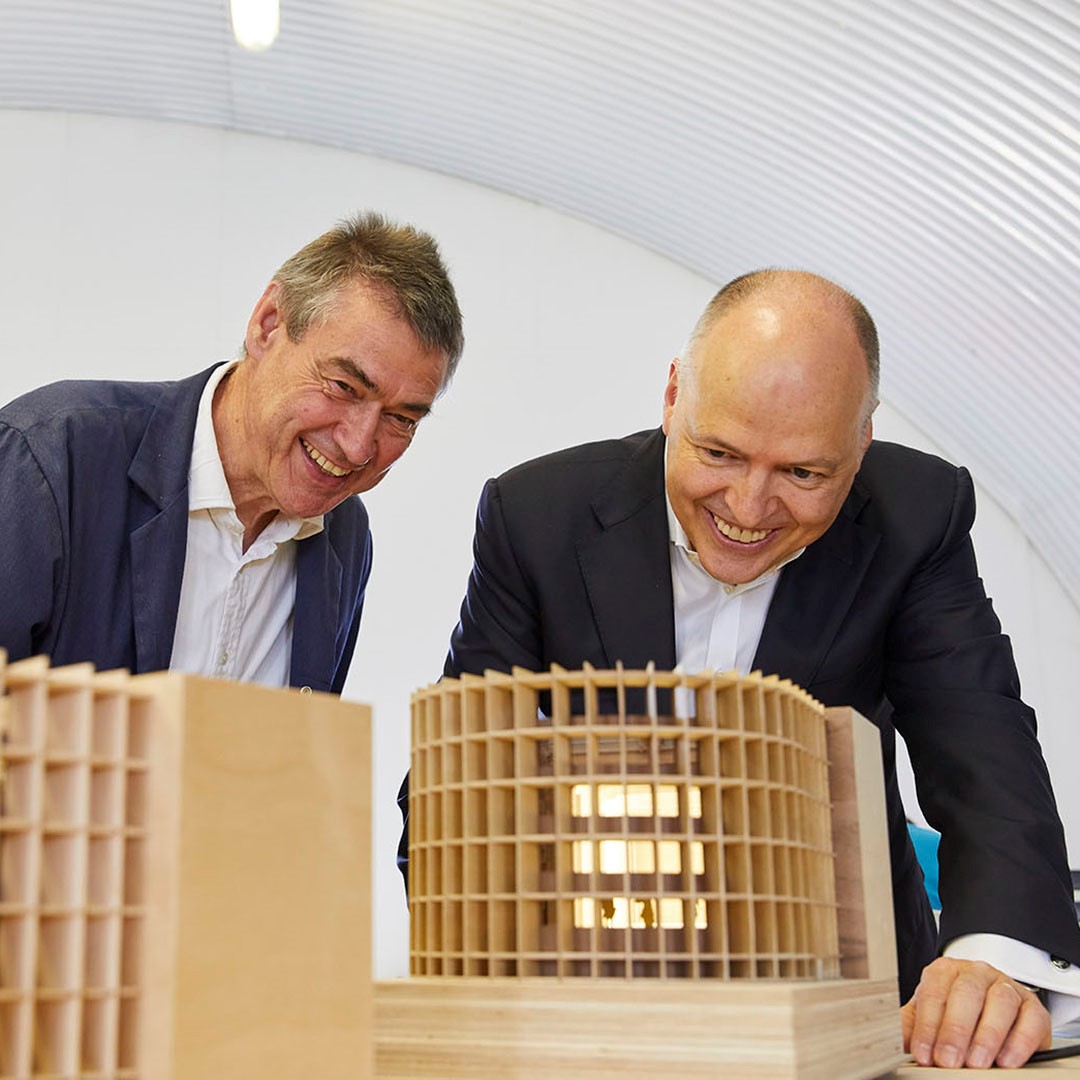
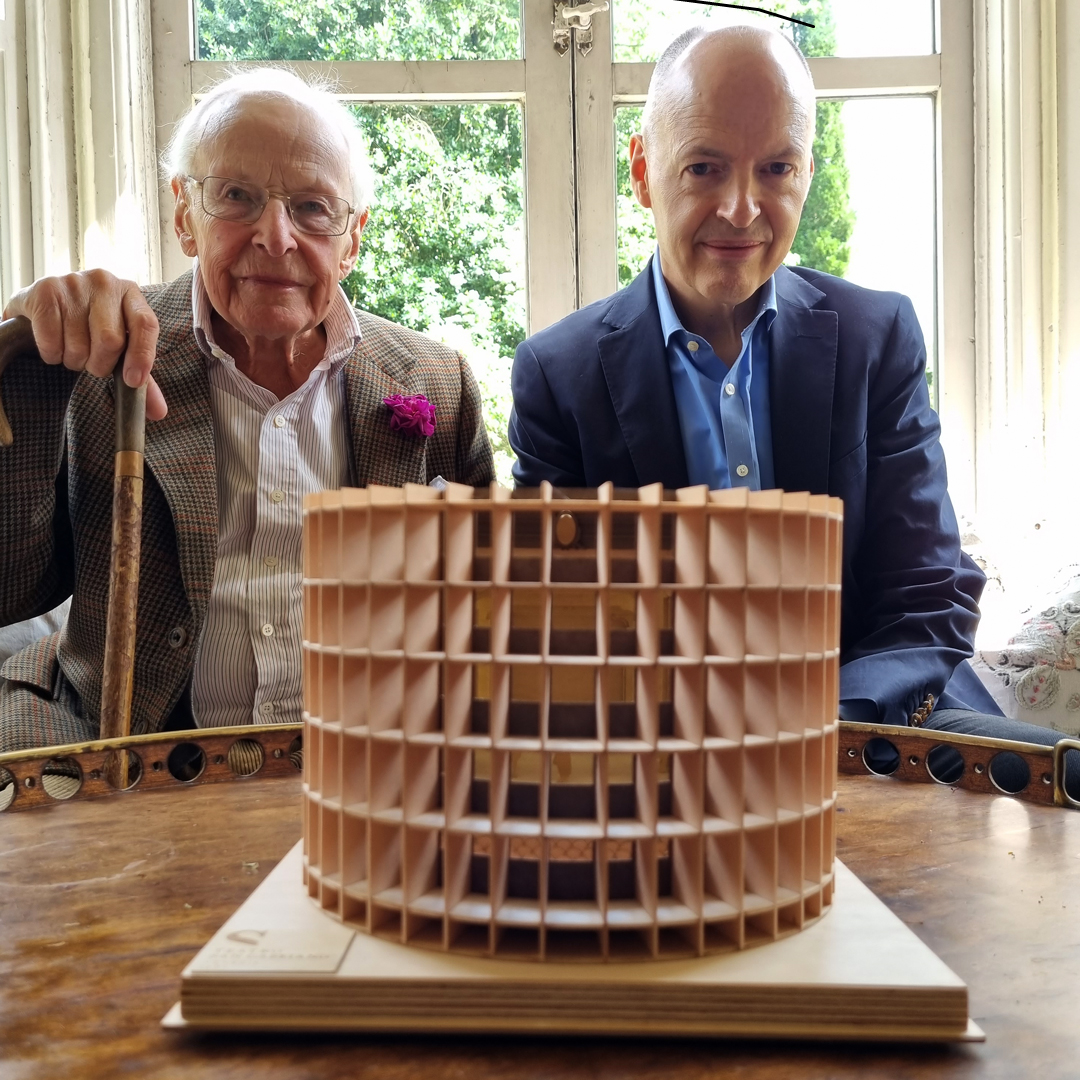
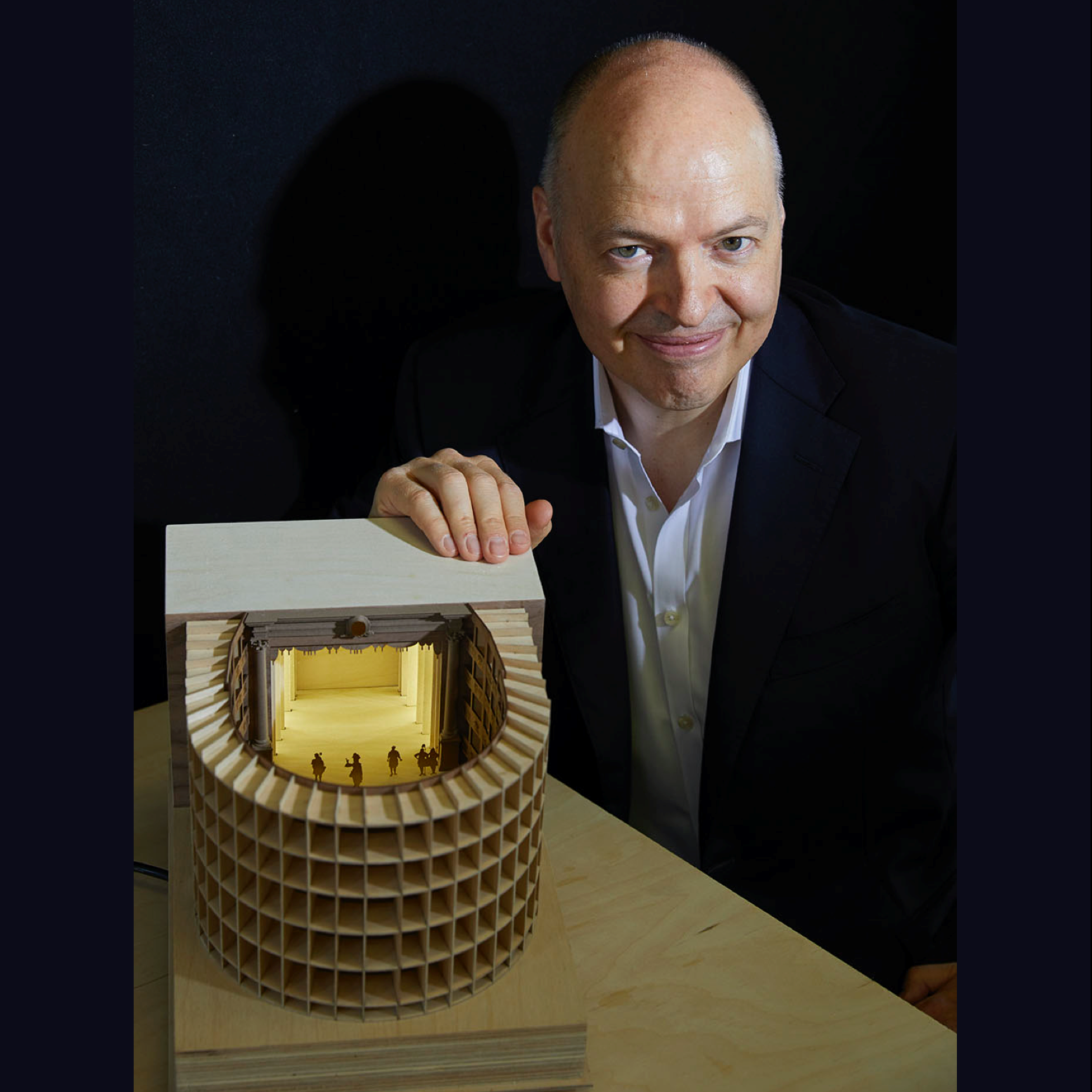
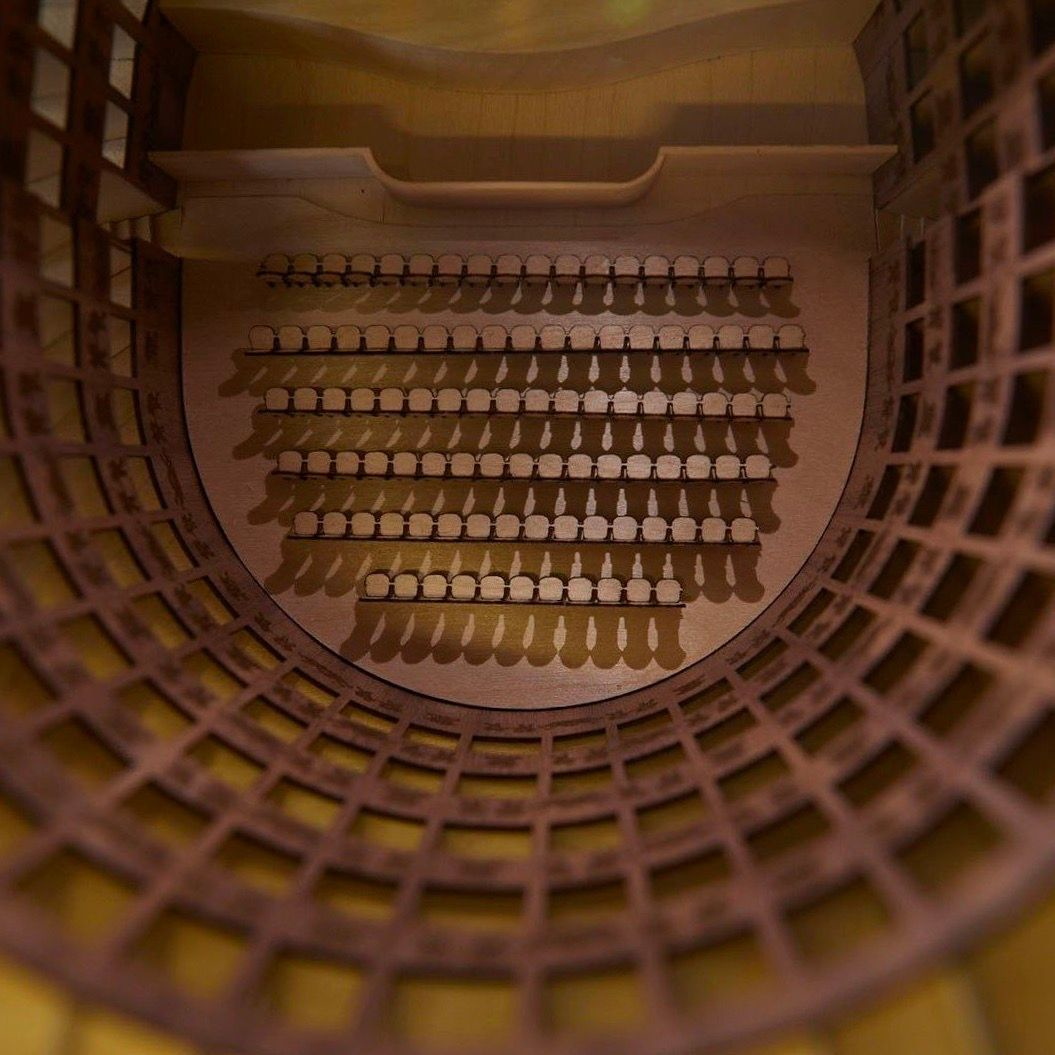
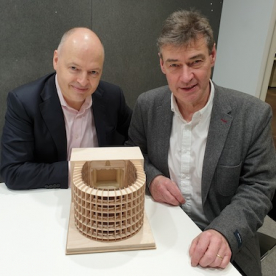
After much research, we are excited to be able to share with you our first model of the Teatro San Cassiano of 1637
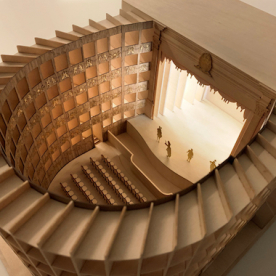
To the best of our knowledge, this is the first time in history anyone has been able to reimagine the original theatre, and certainly under the strict historically-informed criteria we have sought to apply. This really is history in the making. It is the first time we can really get to see what the Teatro San Cassiano might have looked like and to imagine how opera would have been performed and consumed. We also believe it is the first time that someone has created a model within the process of reconstructing the original theatre.
We use the term “reimagine” because, of course, we can never hope to get every detail correct, simply because so much information has been lost to time; but, on the other hand, that is the joy of the project – improving our knowledge and understanding with every step we take forward. To this end, we follow the approach of Shakespeare’s Globe who call their theatre “our best guess”. It is simply as accurate as research and craftsmanship will allow, and we have to recognise and embrace the fact that it can only ever be thus.
For our part, the adherence to the original measurements of Venetian “piedi” and “oncie” through every stage of our research has been absolute. It is only after the meticulous application of these measurements that we have then cross-referenced our findings with historical sources to corroborate the decisions that inevitably have to be taken. The result is that not only is every measurement found in the Archivio di Stato di Venezia now faithfully represented within the model, but also it is this combination of measurements, historical data and painstaking research, all within the fixed and measured footprint of the theatre, that ultimately refines the number of credible variants of the theatre’s design down to a very limited number of possibilities. Better still, it is this very process of research and application that gives us the much-needed insight into the construction, function and operation of the original theatre.
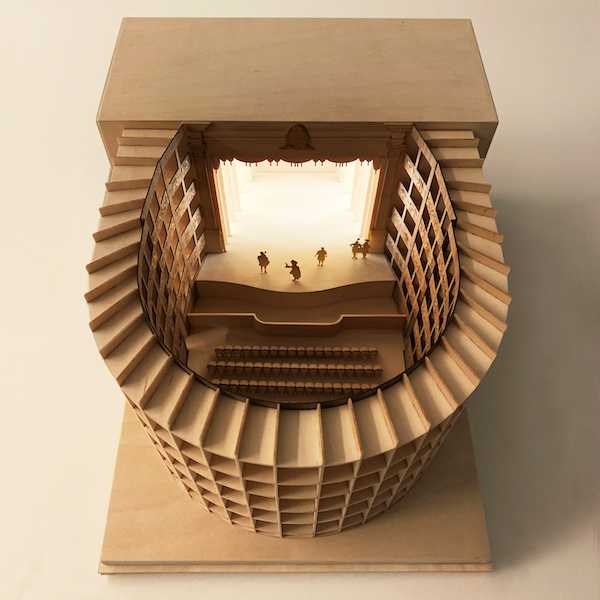
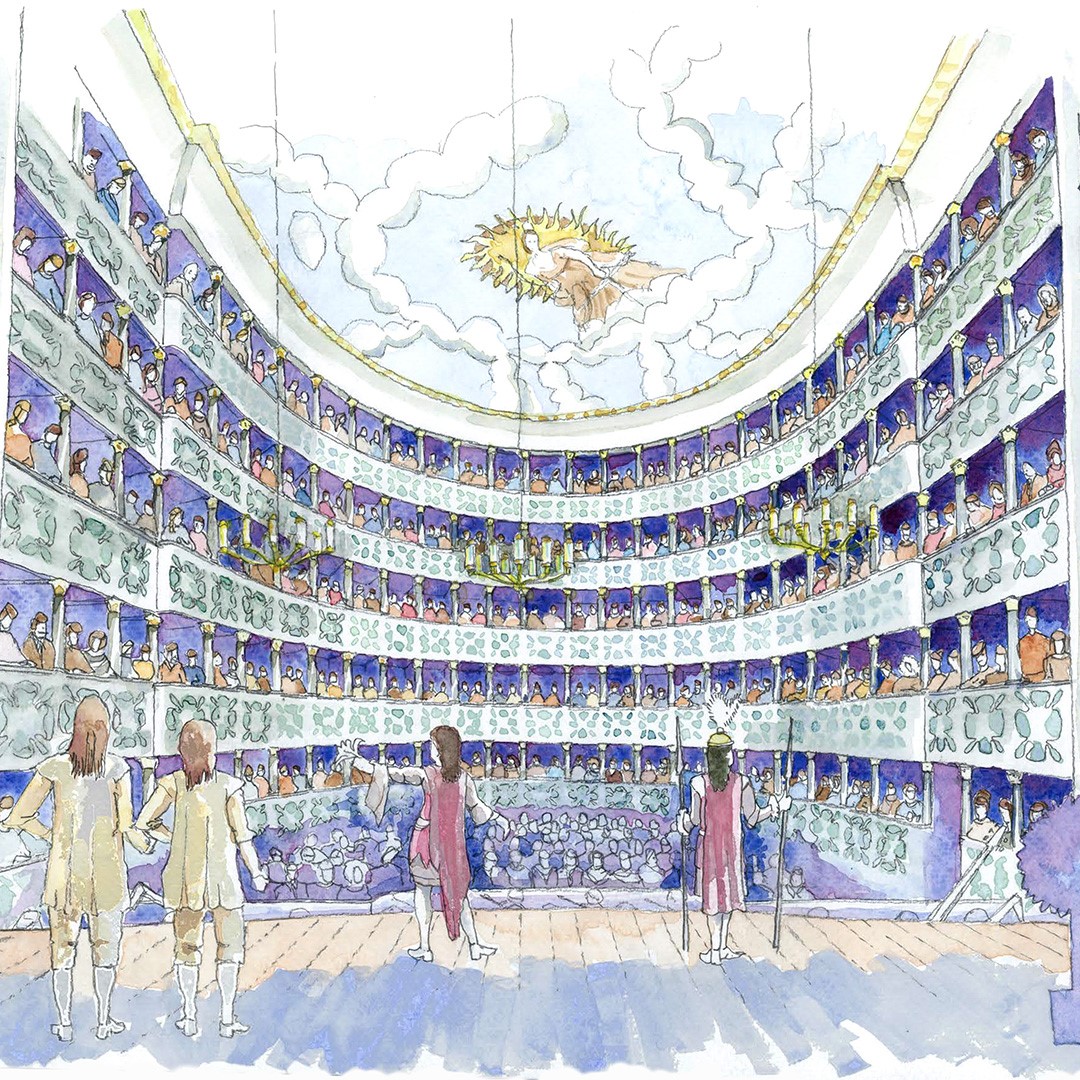
The model itself is of two types of wood to contrast the stage and the auditorium, and conforms with the two noted written descriptions either side of the 1637 theatre. First, Sansovino (1581) cites that the first theatre was “in forma ovata” (egg-shaped), and second, Chassebras (1683) recorded that the Teatro San Cassiano was painted and gilded, like other Venetian theatres. Of course, this is only a first model and work is already under way to improve the depiction of the proscenium arch, but Sansovino’s “egg-shaped form” remains evident from the curve of what is in essence a Roman auditorium, now set back even further to accommodate the insertion for the first time in history of the orchestra pit, which in turn requires the introduction of the side boxes, serving both to fill the space created, but also to maximise revenue of this new commercial theatre. It is here that a narrative evolves which leads us from the early Roman semi-circular auditoriums through the hybrid which is the Teatro San Cassiano to the fully formed, modern-day horseshoe teatro all’italiana.
Within this process, it is this coming together of academic research and the practicality of construction that helps provide an insight into how the insertion of the orchestra pit into the concept and design of the theatre makes it integral to its structure and which thus forces the change of auditorium shape that will now evolve. As such, it acts as an endorsement of the primary sources, which reference the Teatro San Cassiano of 1637 as being built purposefully to stage opera, rather than solely commedie, and thus against the view that it was modified at a later point in time. Once again, it is the narrative within the process, which is fundamental to improving our understanding.
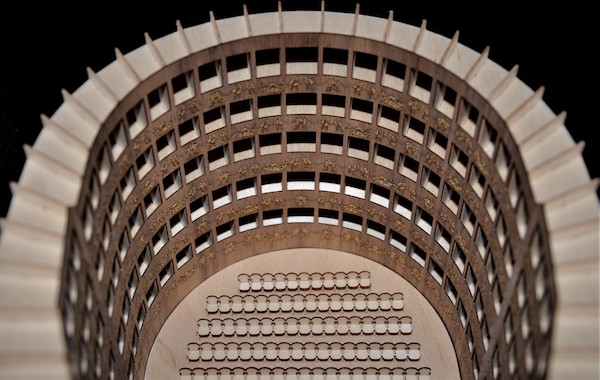
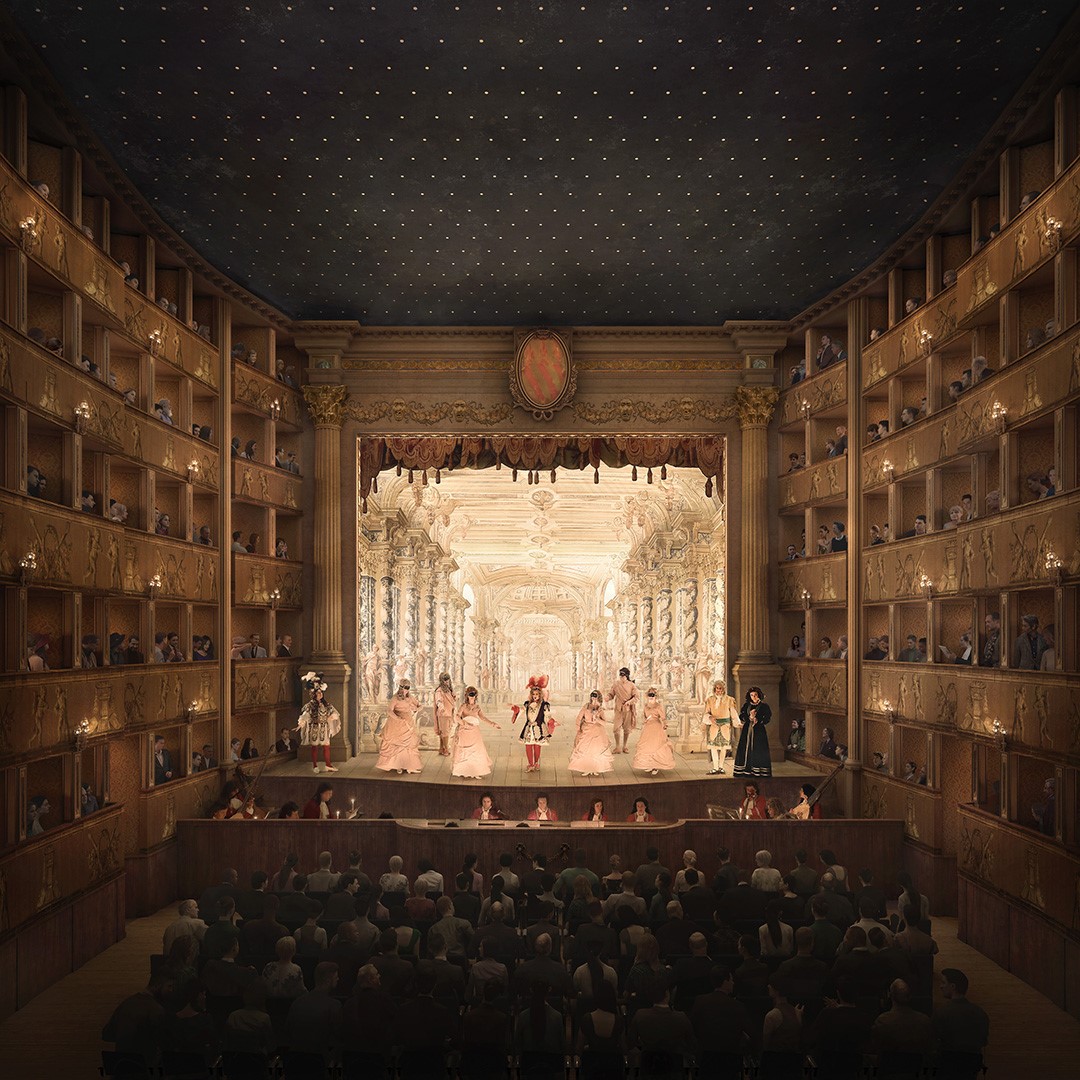
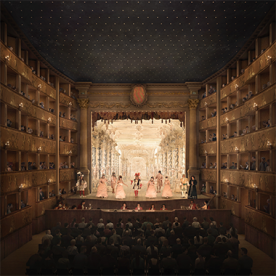
Equally, as an indication of Venice at its glorious best and despite this being a basic wooden model, we wanted to acknowledge the painted and gilded decoration referenced by Chassebras and which we would have expected to adorn the front of each box. Later models will develop these themes, first through our CGI images, then through practical examples.
The model was constructed by our friends at Amodels and the project led by our reconstruction architect Jon Greenfield (Hamson Barron Smith) in collaboration with the Teatro San Cassiano team.
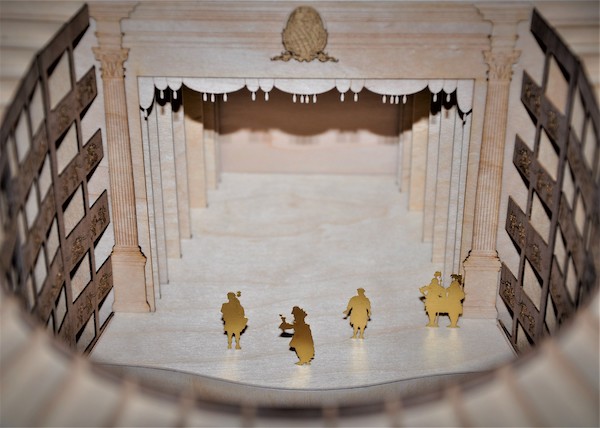
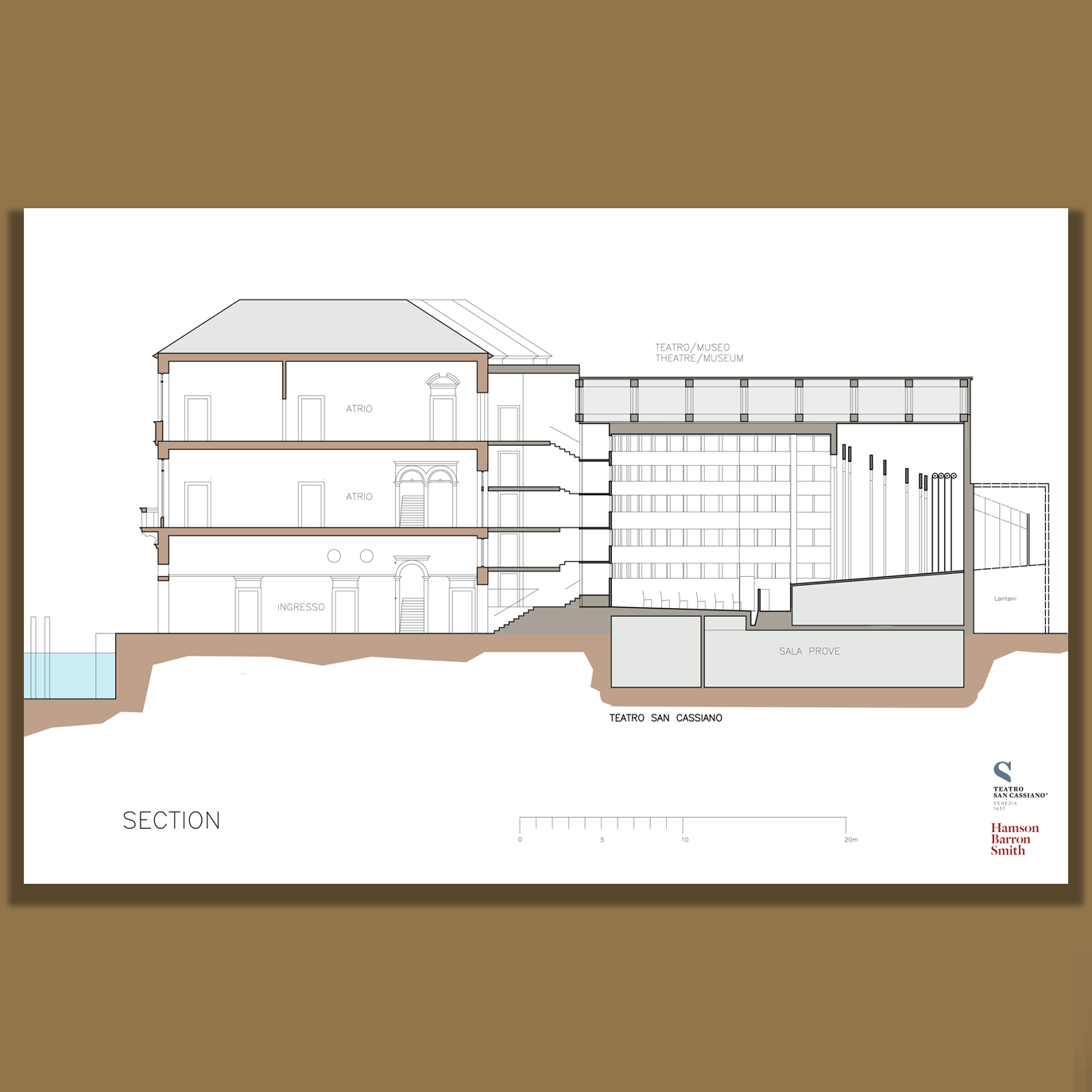
As you will see, the Teatro San Cassiano is simply unlike any theatre that exists today. It will have a capacity of 405 people over 153 boxes and five tiers, and a platea just six rows deep. Performances will be intense, immediate, intimate. It will be an undeniable artistic and cultural experience that simply does not exist today.
We hope this model whets your appetite to help us now deliver the real thing. If you feel you can support the project, then please take a look at our Support us page and you too can write your name into opera history.