News
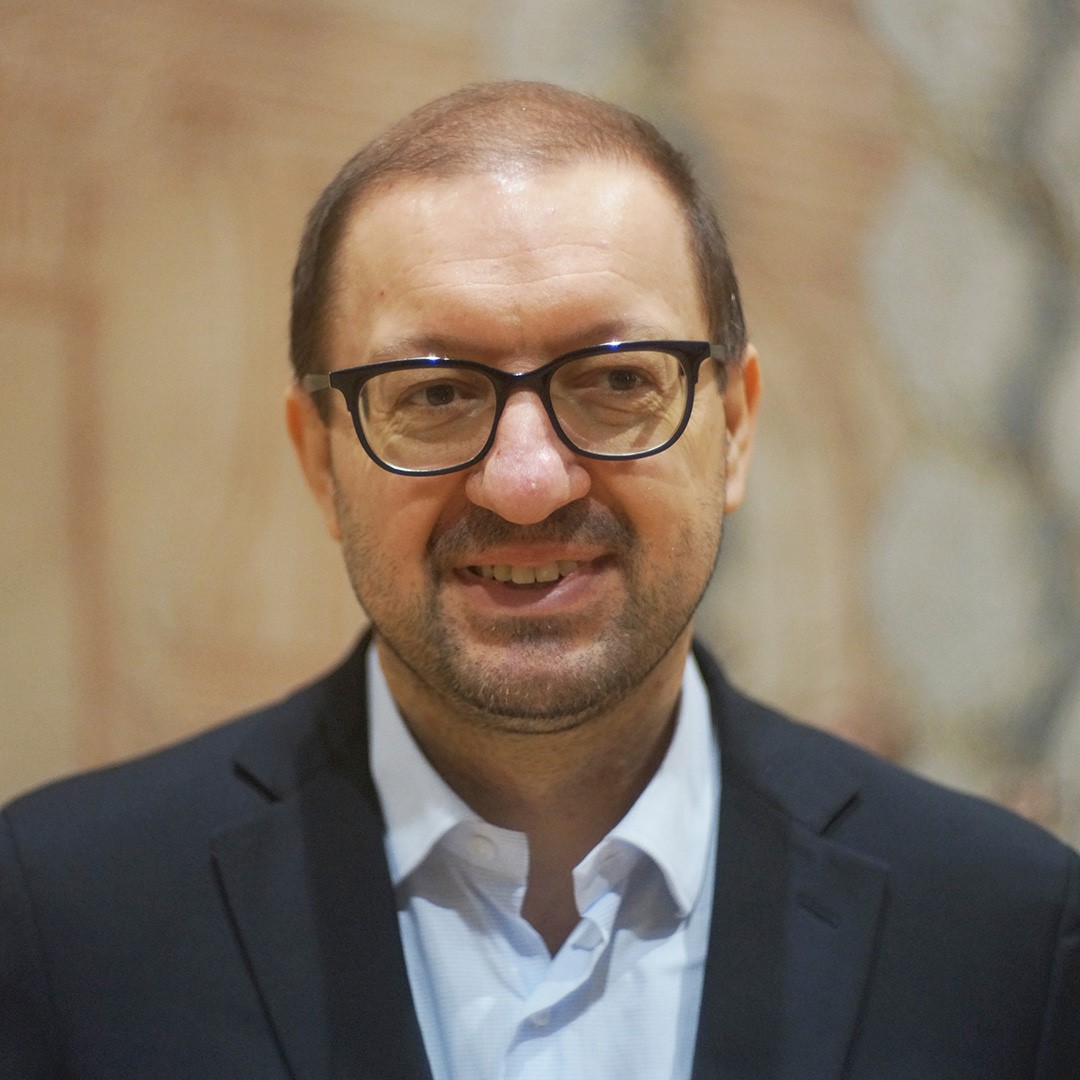
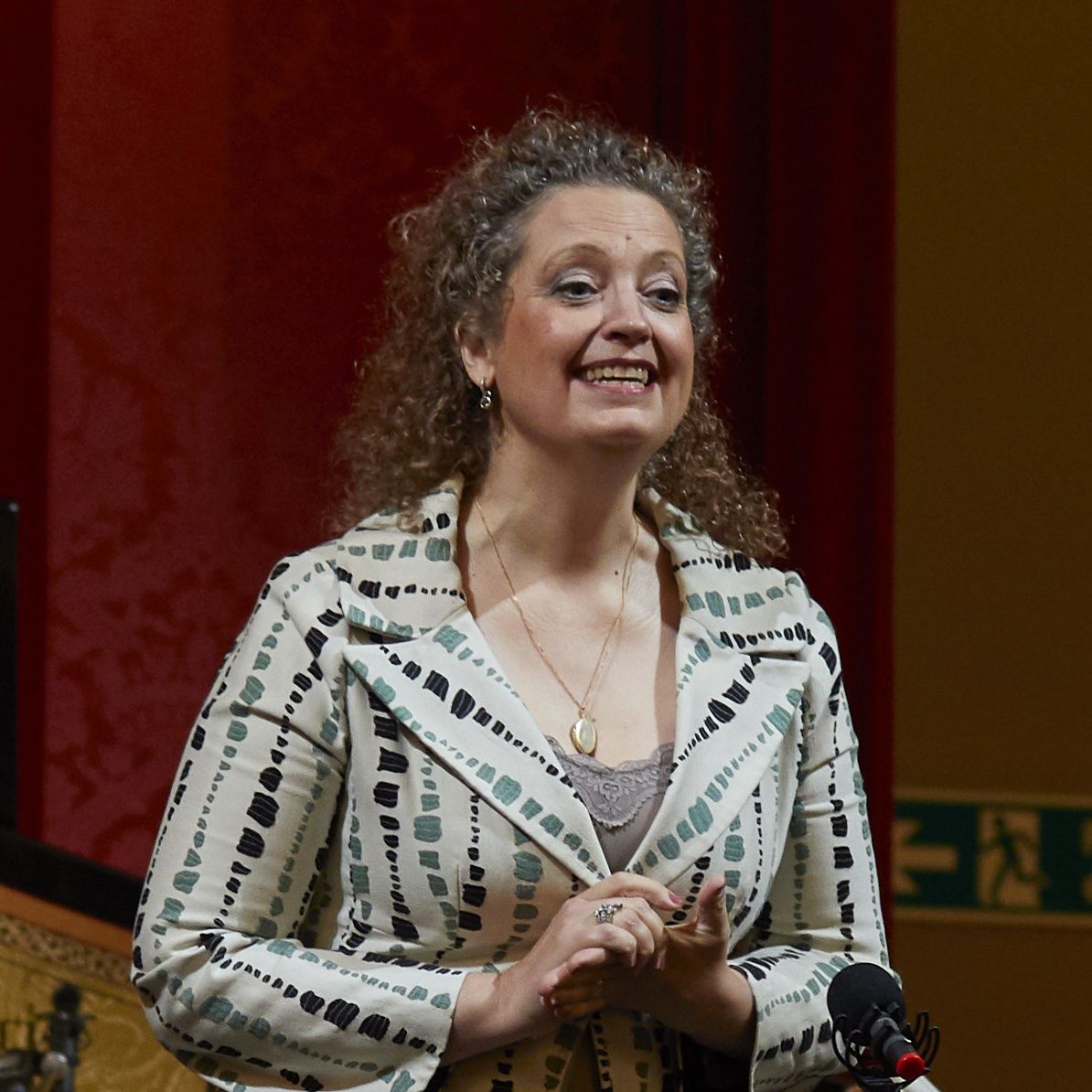
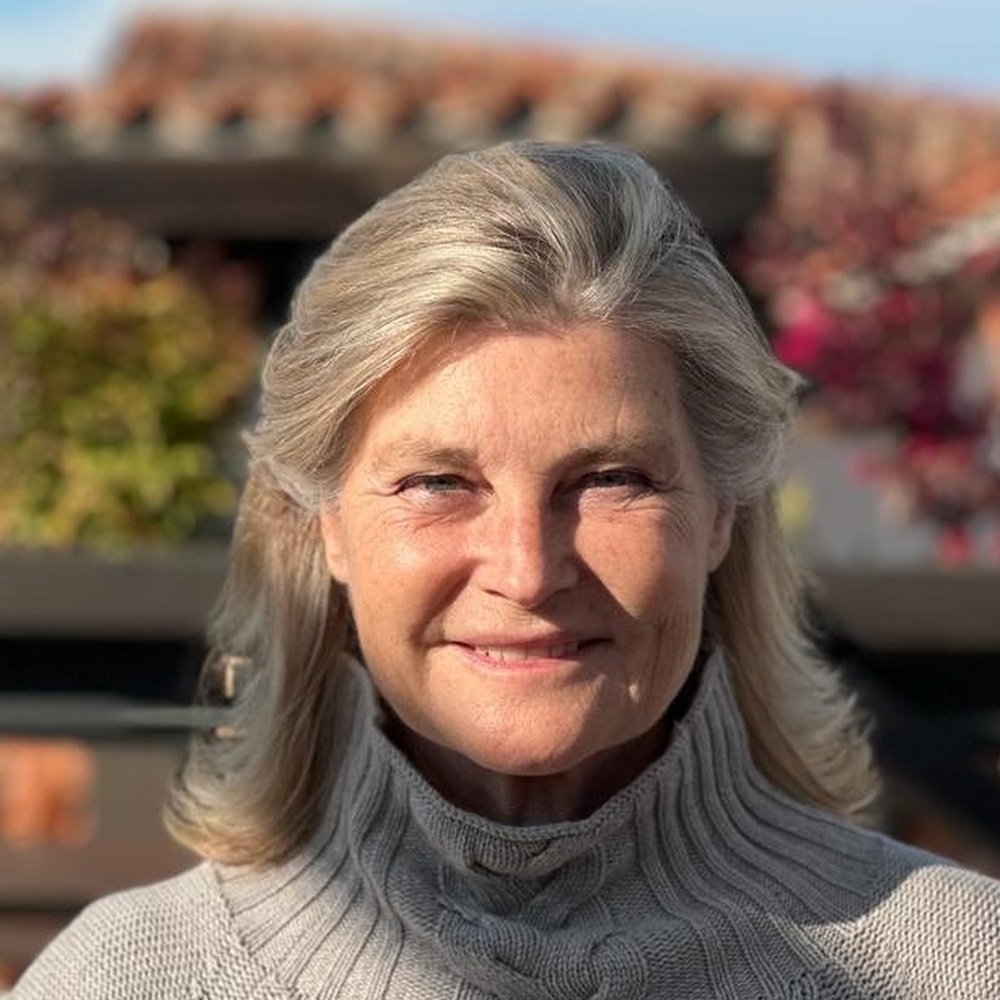
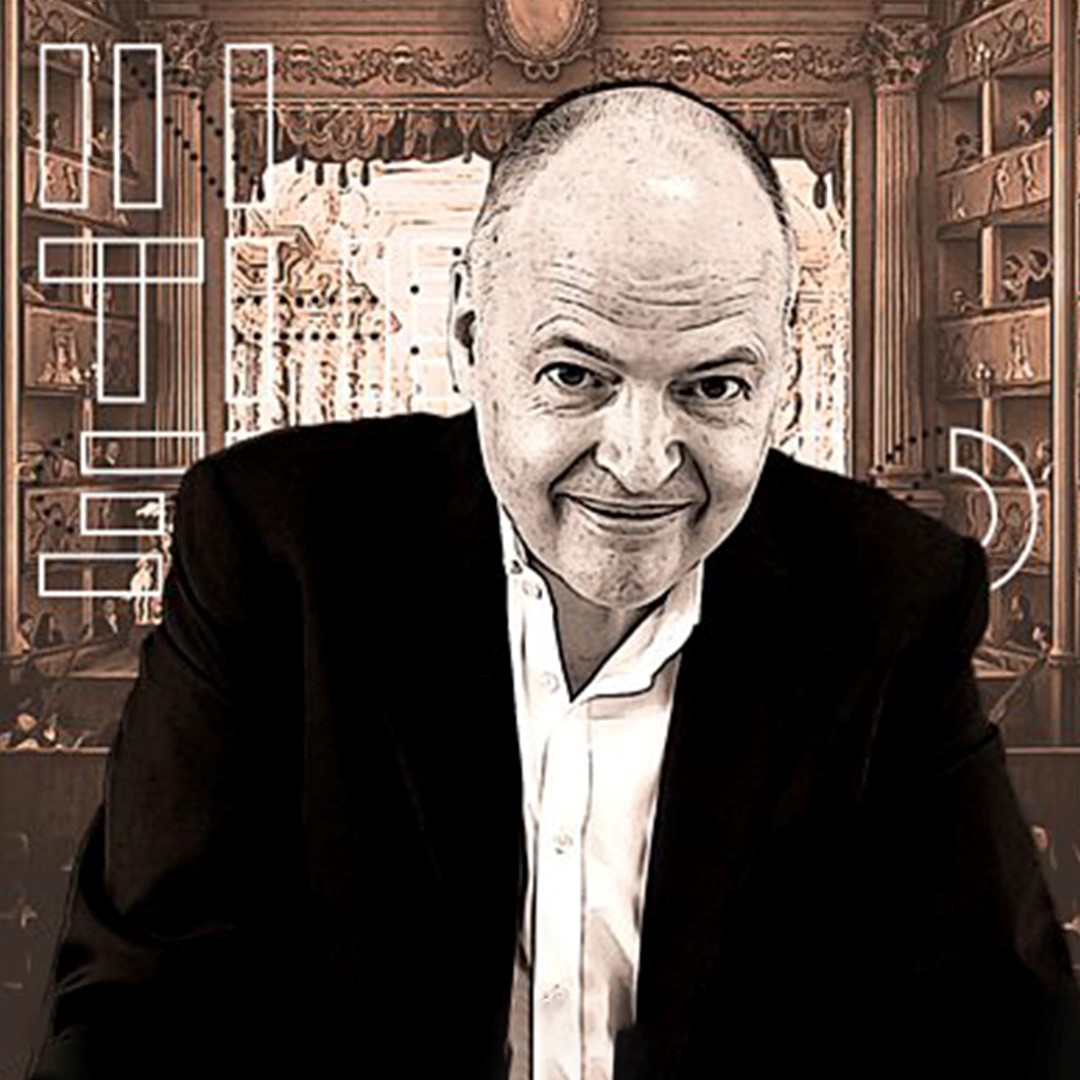
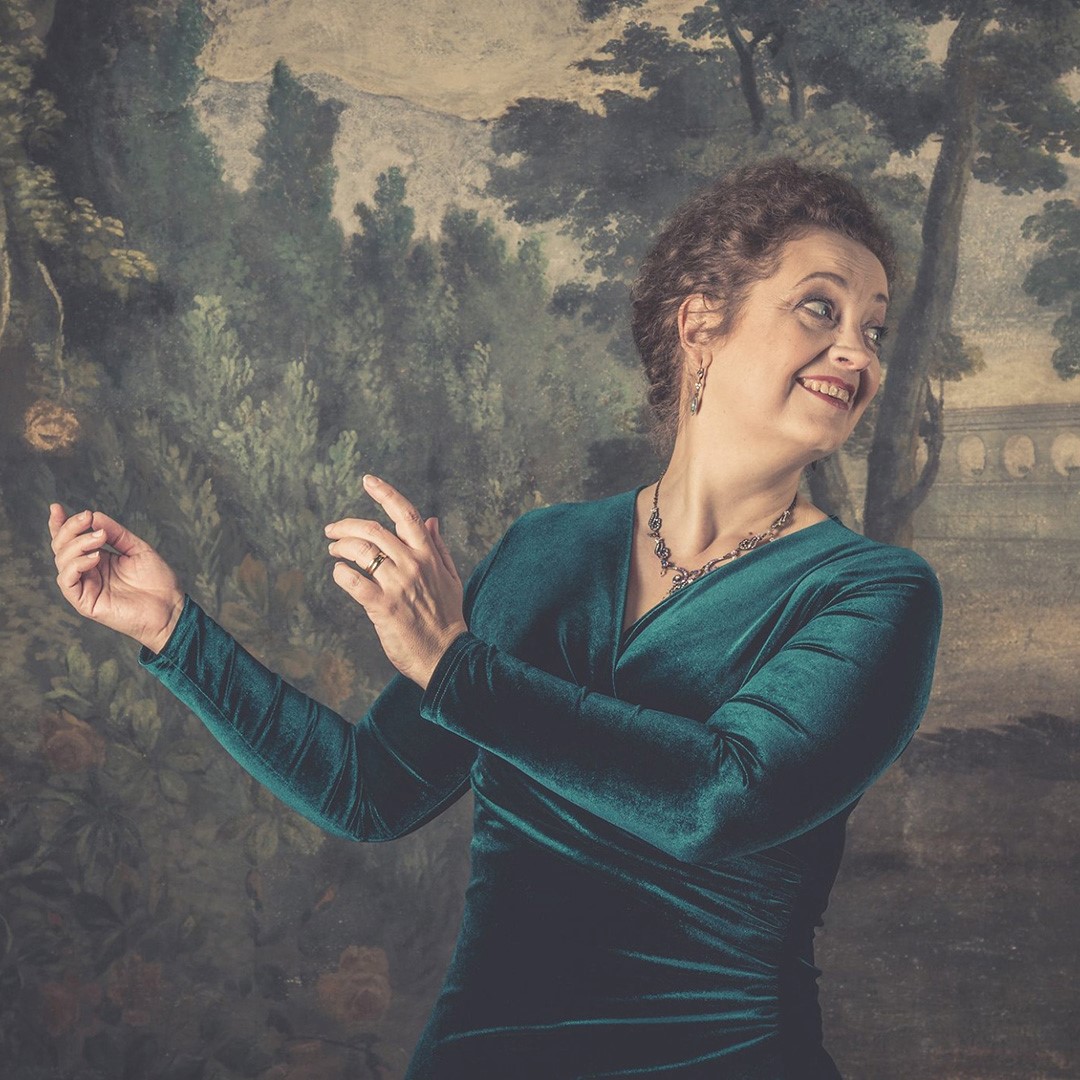
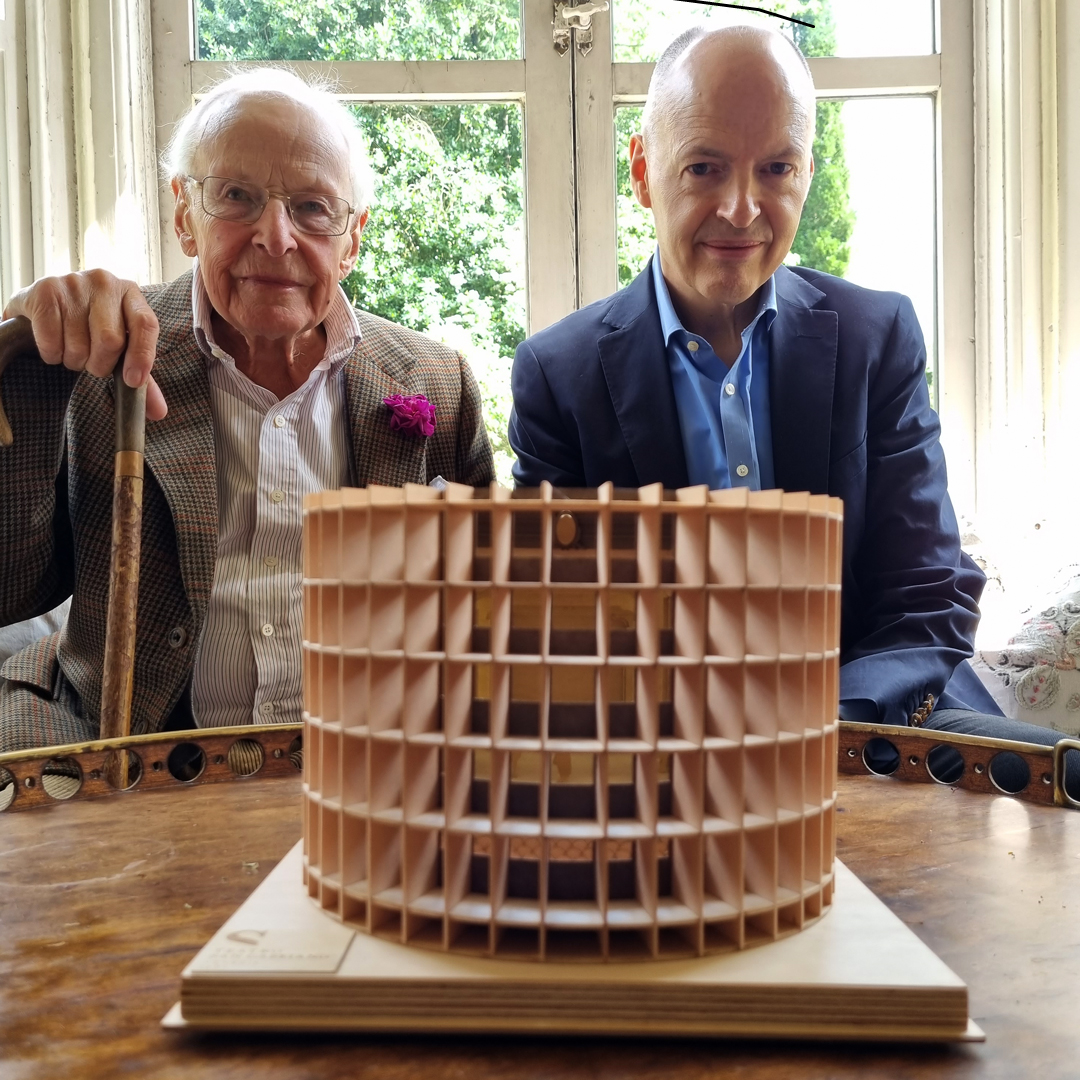
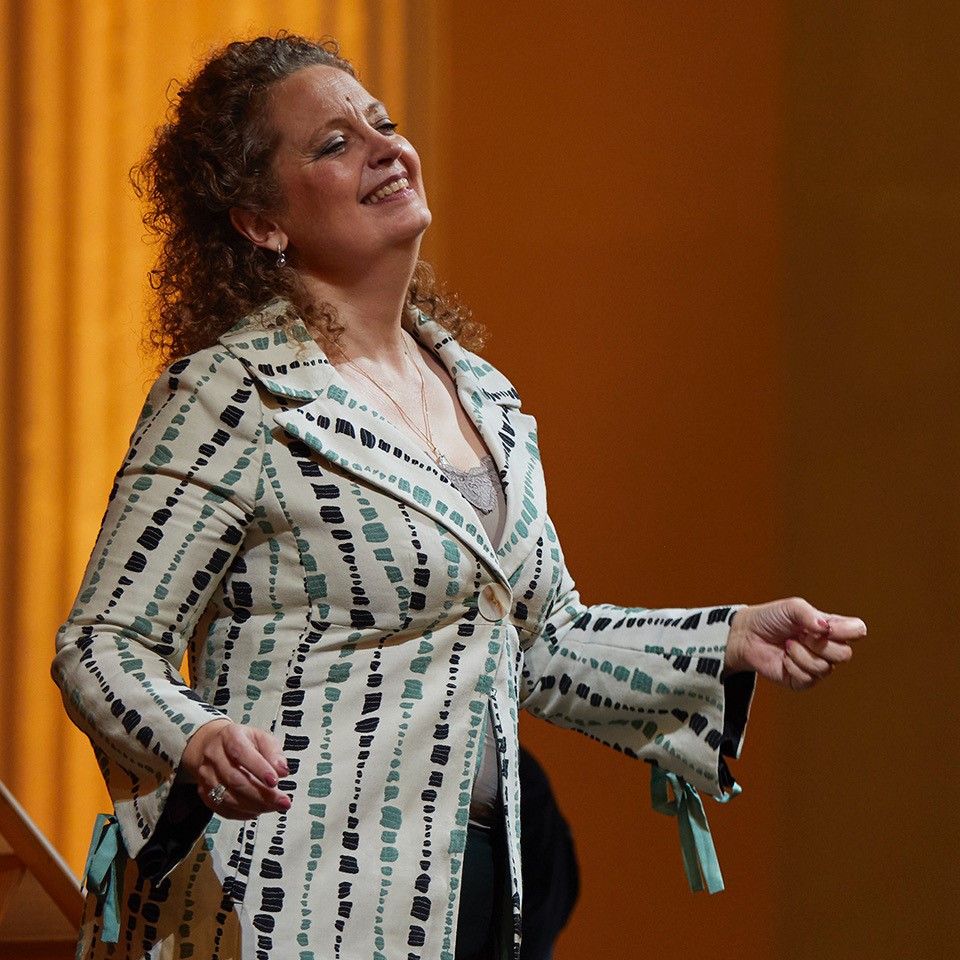
The point of view of a conductor! For the next in our series—in which we ask our world-class experts to provide their personal perspective on the need and value of the Teatro San Cassiano—we offer the musical view of our consigliera: Dame Jane Glover, DBE

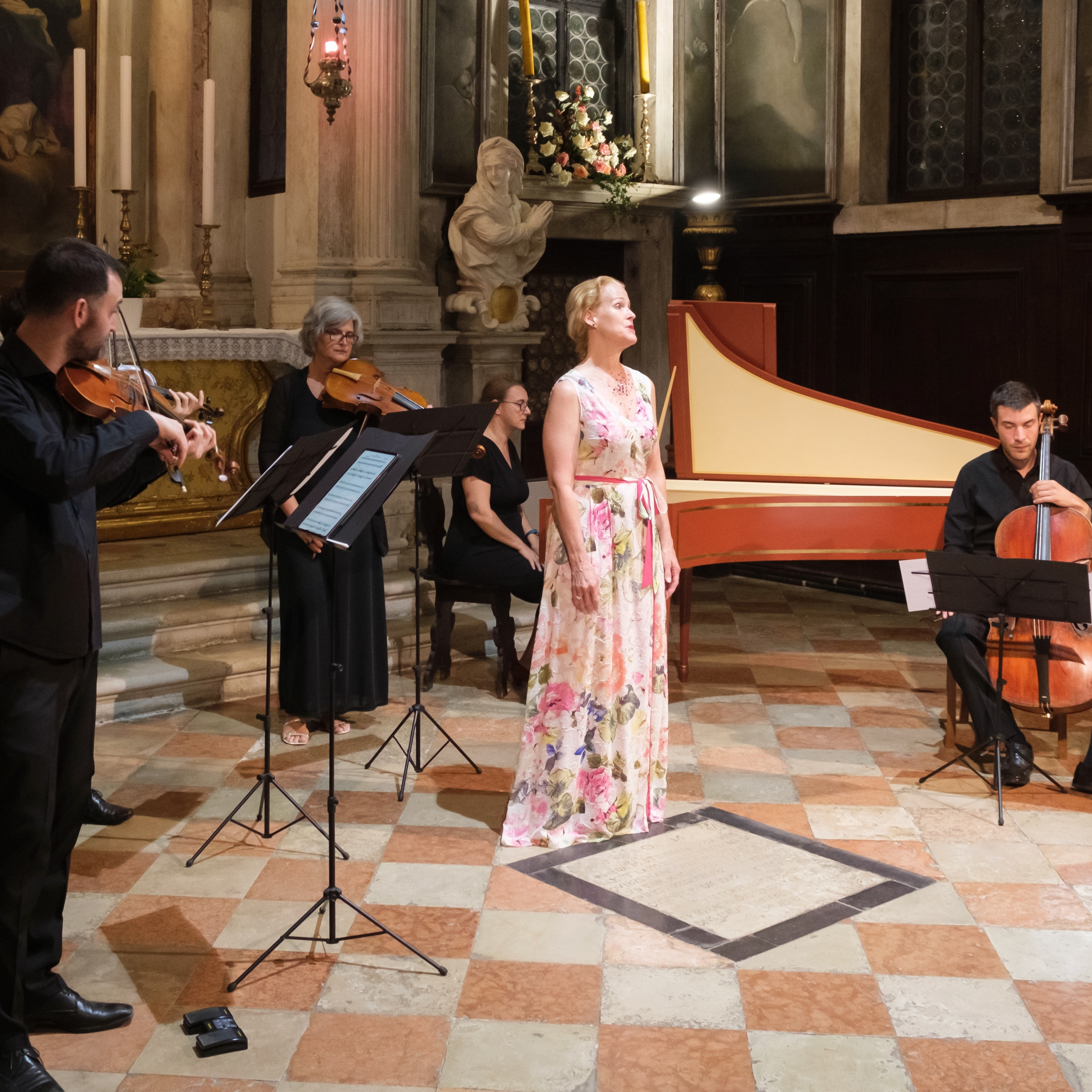
Jane specialises in early Venetian opera and Historically Informed Performance and has been one of our most generous collaborators.
Before embarking on her lifetime career as a conductor in opera houses and concert halls throughout the world, Jane Glover's postgraduate studies were largely spent in Venice, and led to her doctoral thesis (The Teatro Sant’Apollinare and the Development of Seventeenth-century Venetian Opera, Oxford 1976), her first book, Cavalli (1978), and her own edition performances of several Venetian operas (Monteverdi's ritorno d'Ulisse and Poppea; Cavalli's Didone, Giasone, Rosinda, Calisto, Eritrea and Eliogabalo). Jane is the author of Mozart's Women (2006) and Handel in London (2018).
Here, then, are Jane’s reflections on the Teatro Cassiano project: up close!
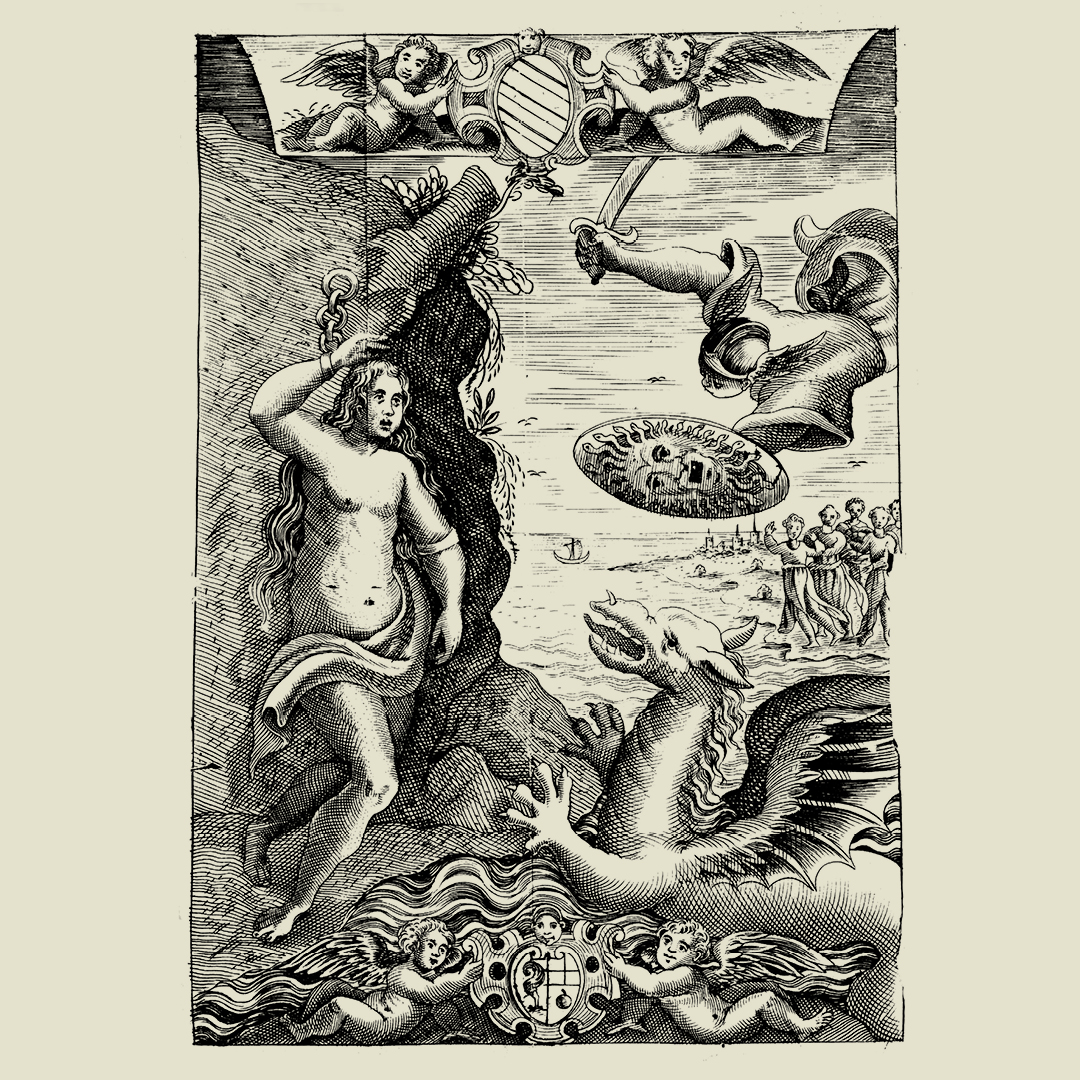
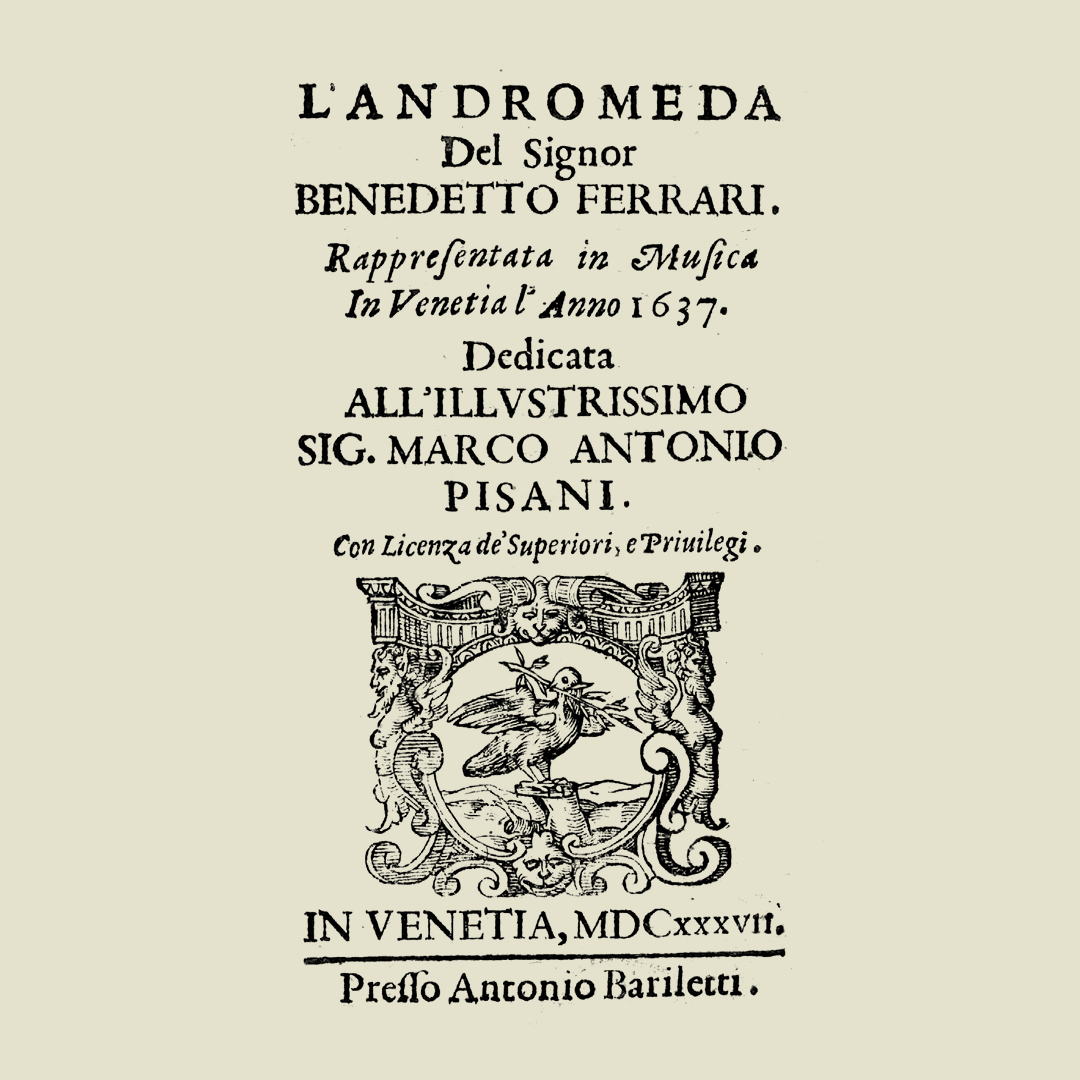
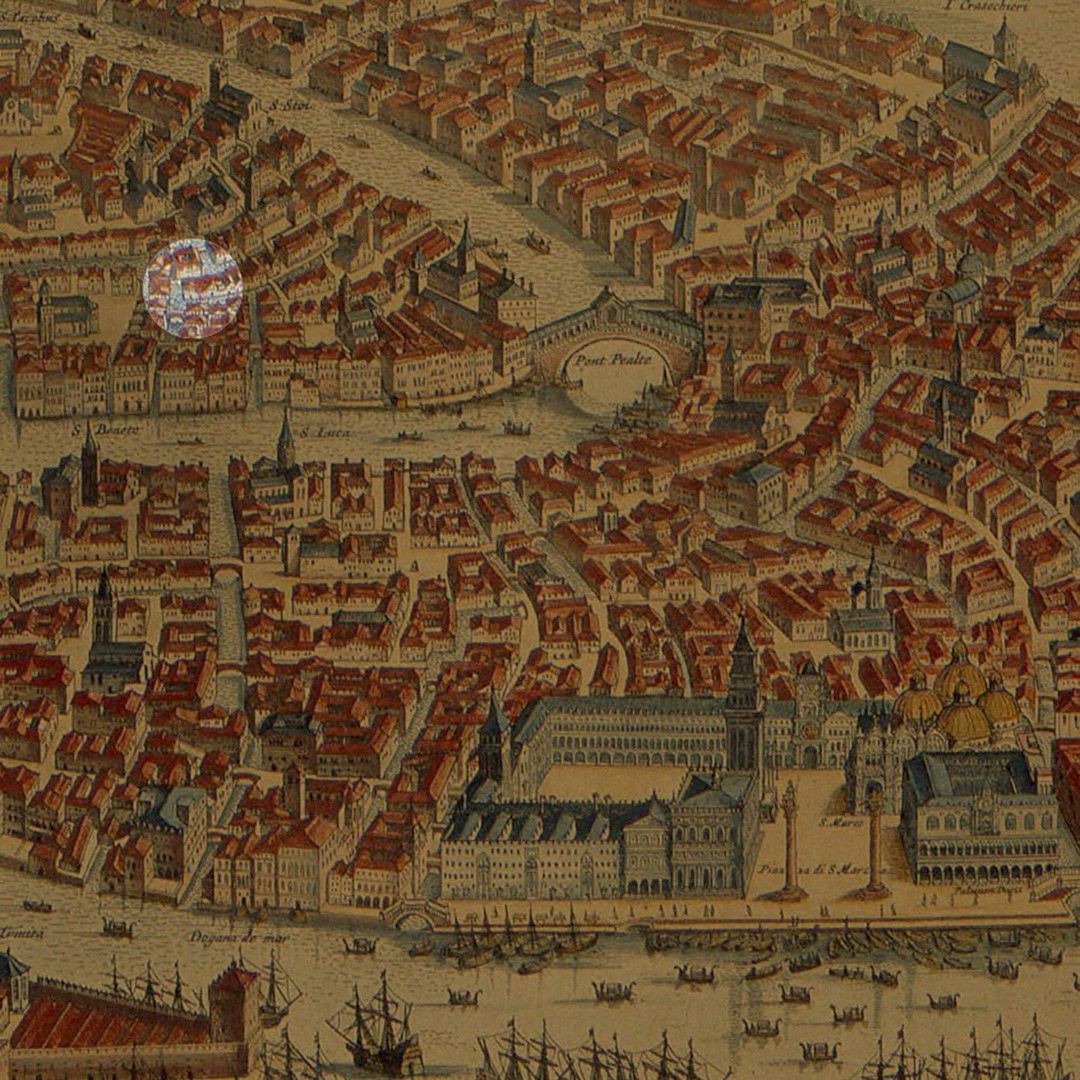
I cannot adequately express how thrilled and excited I am by this brilliant project. For many decades I have thrown these almost mystical words, Teatro San Cassiano, into discussions, theses, articles and books, all too aware that, without the existence of that very building, the history of music would have been very different, and, as a tiny postscript, I would not now be doing what I do. San Cassiano in the 17th century represents the trickle of snow-melt that develops into the Thames or the Danube or the Mississippi: the fragment of chance that delivered the travelling musicians Benedetto Ferrari and Francesco Manelli to a comedy theatre in a quiet corner of a Venetian parish in 1637, exploded into opportunities, energetically seized, all over the city. Within 15 years of their music-drama, Andromeda, being performed there, five more theatres had opened expressly for opera in Venice, and by the end of the 17th century there were yet another nine. From Venice, public opera spread throughout the country, and then throughout the world. Manelli and Ferrari cannot have had the slightest inkling of what they were starting.
The spread of opera through the world, and certainly its expansion in all its dimensions, was reflected in the size of the opera houses built to accommodate it. Casts, orchestras, choruses, sets, all grew larger and larger, heading into the vast 19th-century concept of “grand” opera. As a result, the world is now well supplied with houses seating over 3000 audience members, and from the very back of these vast auditoriums it is often hard to see singers’ facial expressions, even if the quality of the sound they produce, and the balance between them and their accompanying orchestra in the huge pit below them, are no doubt enhanced by helpful acoustics. But bigger is by no means always better, and it is certainly not helpful in the performance of the countless treasures of the operatic repertoire in the 17th and 18th centuries.
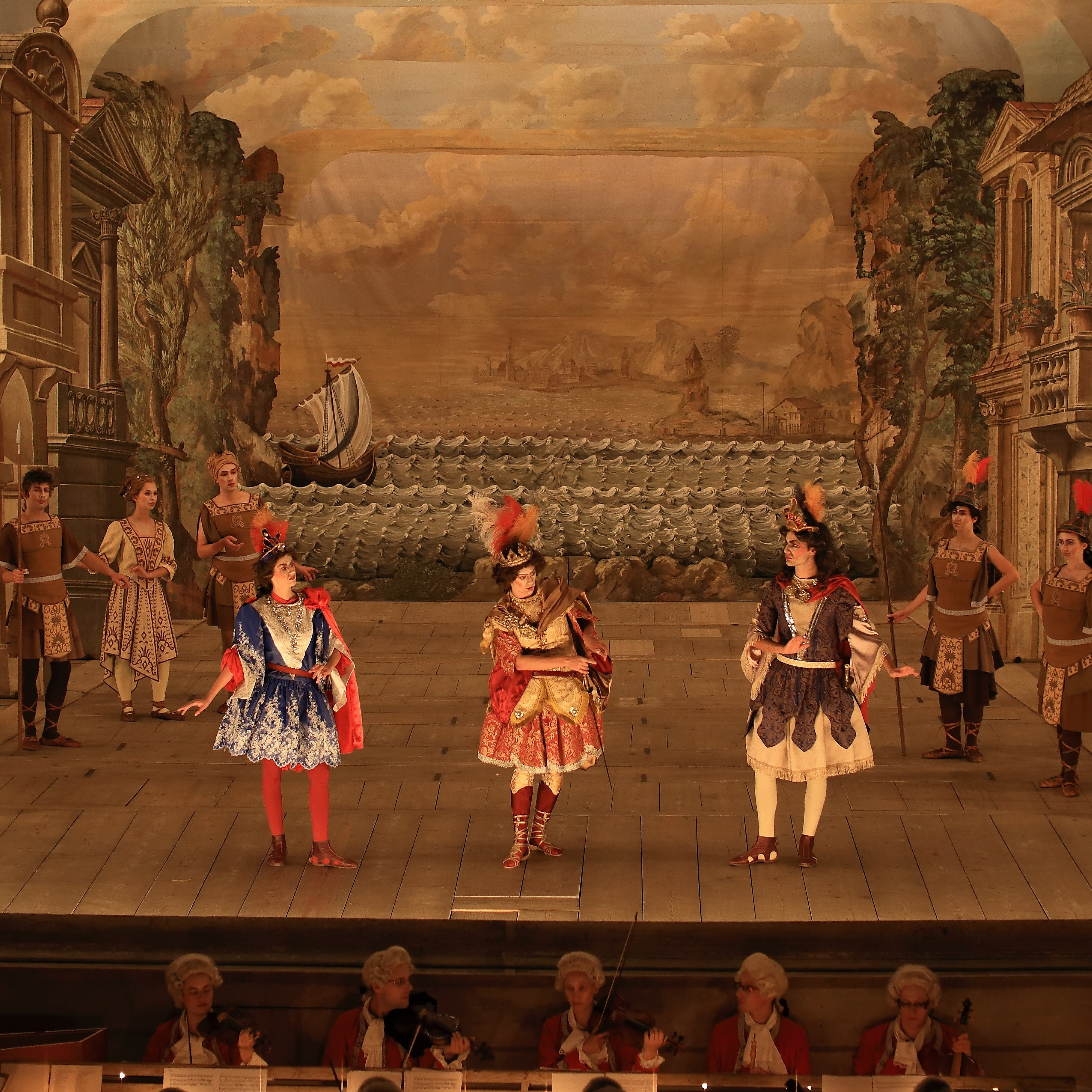
Since the 1970s there has been considerable revival of interest in much of this lost or submerged early repertoire. The specialised interest in period-instrument playing, coupled with considerable musicological research leading to modern scholarly editions, has all yielded much information about how these operas were performed and how they sounded. But we have always lacked a true architectural and acoustical context. This is an incredibly important aspect of historically informed performance: we learn so much from performing Gabrieli or Monteverdi in the Basilica of S. Marco, or Handel in Westminster Abbey—or even in the open air!—or Wagner in Bayreuth, where he himself designed and built a theatre with its acoustical support of the orchestra completely to his specification. So, while it has been thrilling to revitalise early operas of Monteverdi and Cavalli in different spaces (even in the Royal Opera House, where it was somewhat incongruous but still worked with some not always appropriate tweaking of forces), none of these spaces has obviously been of the same shape and dimensions as the original Teatro San Cassiano.
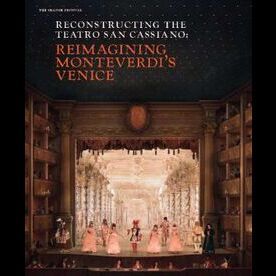
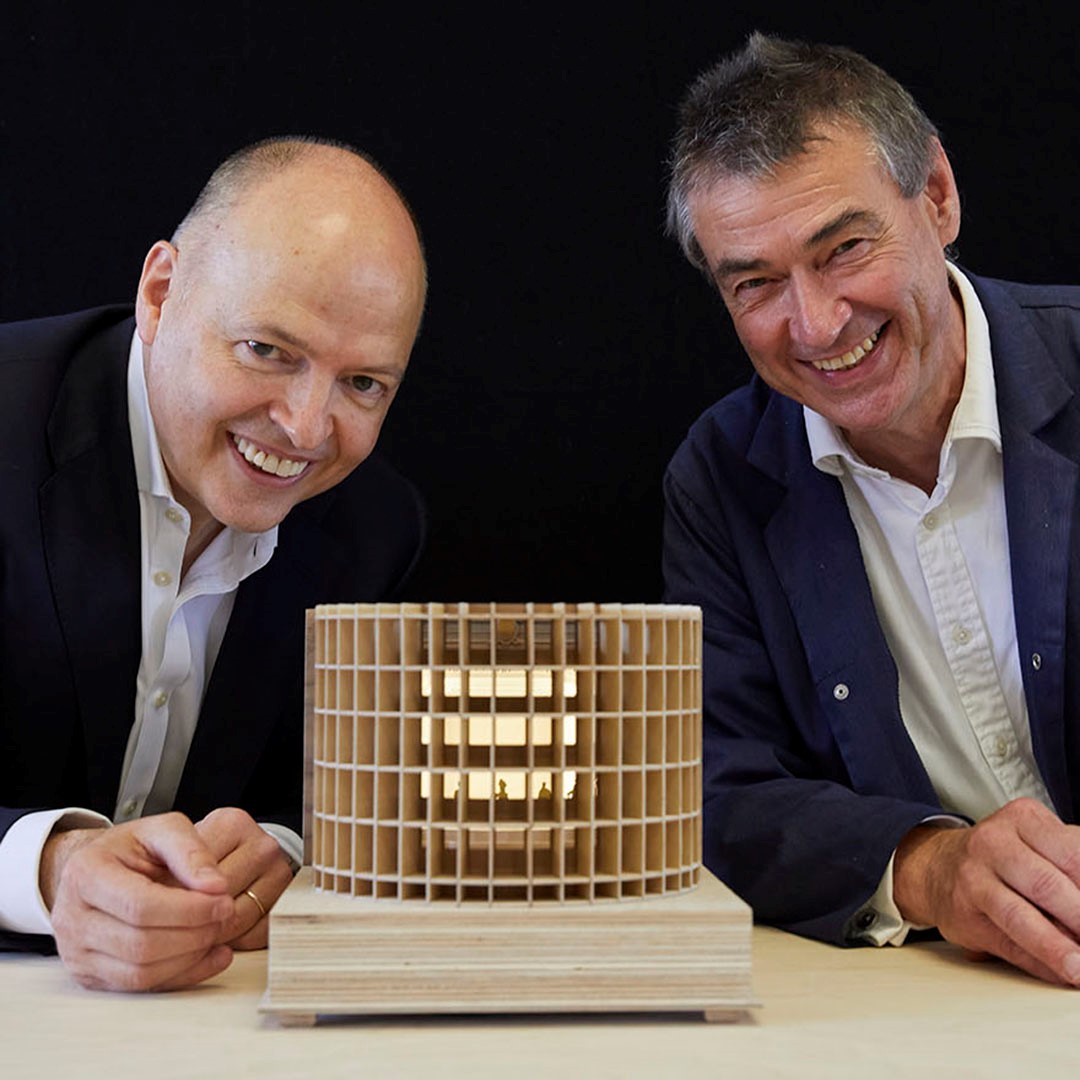
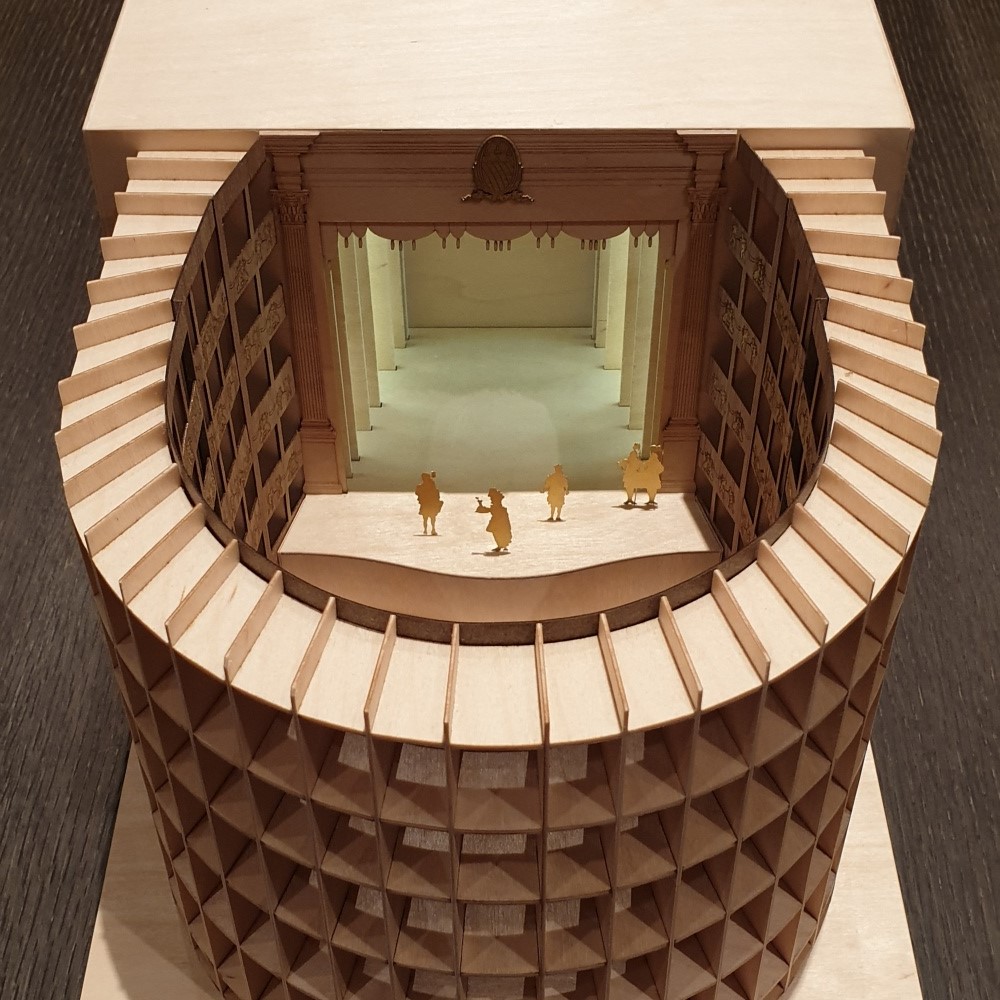
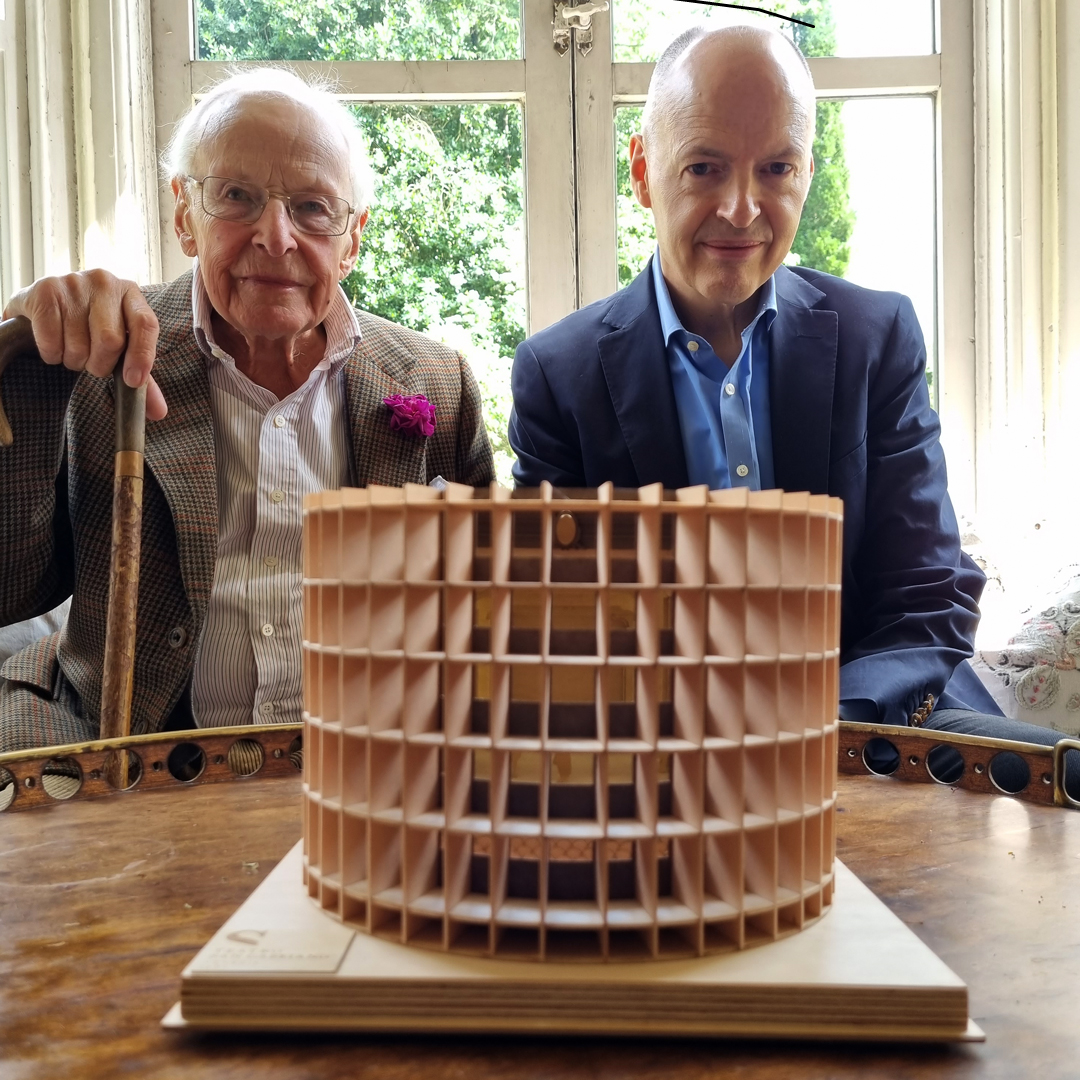
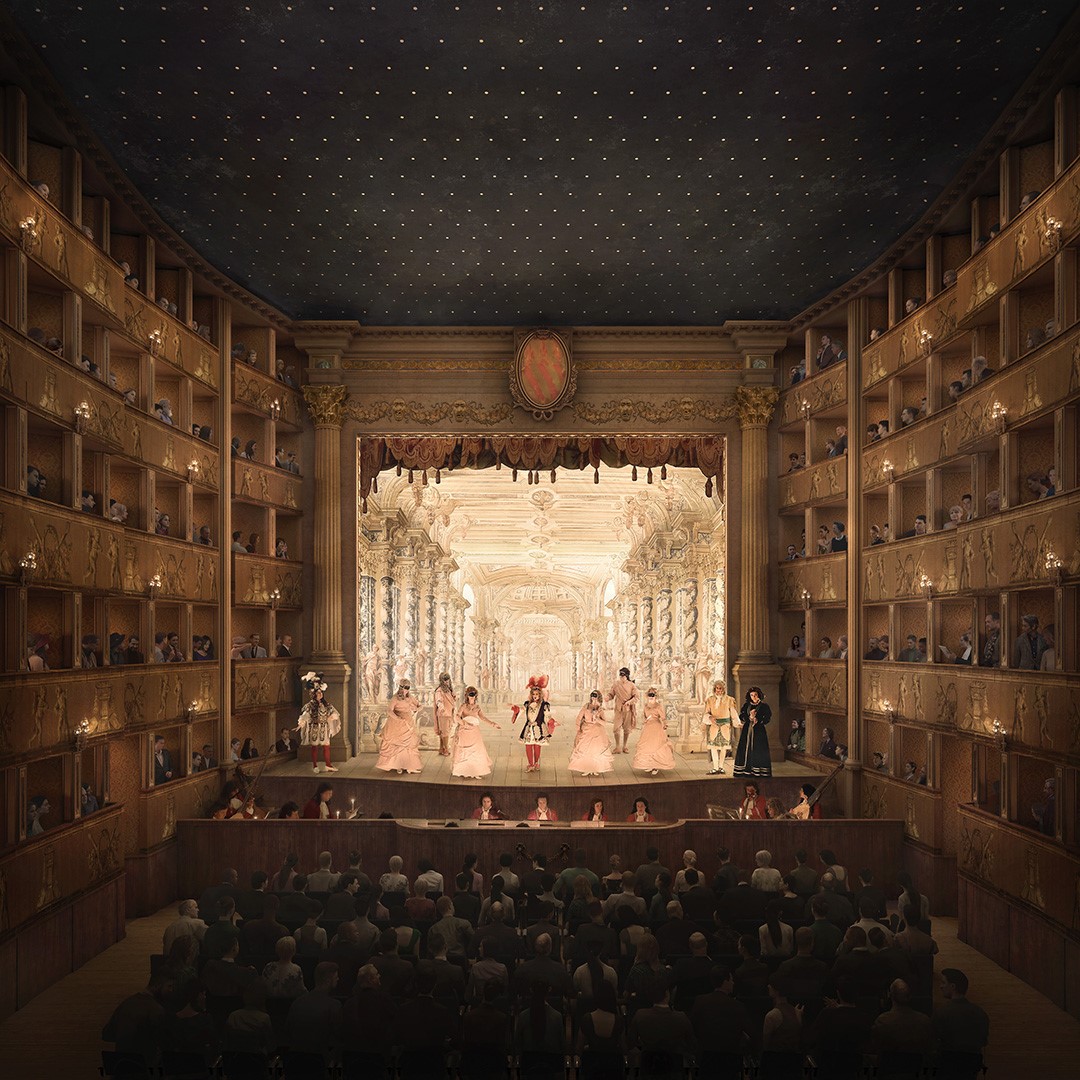
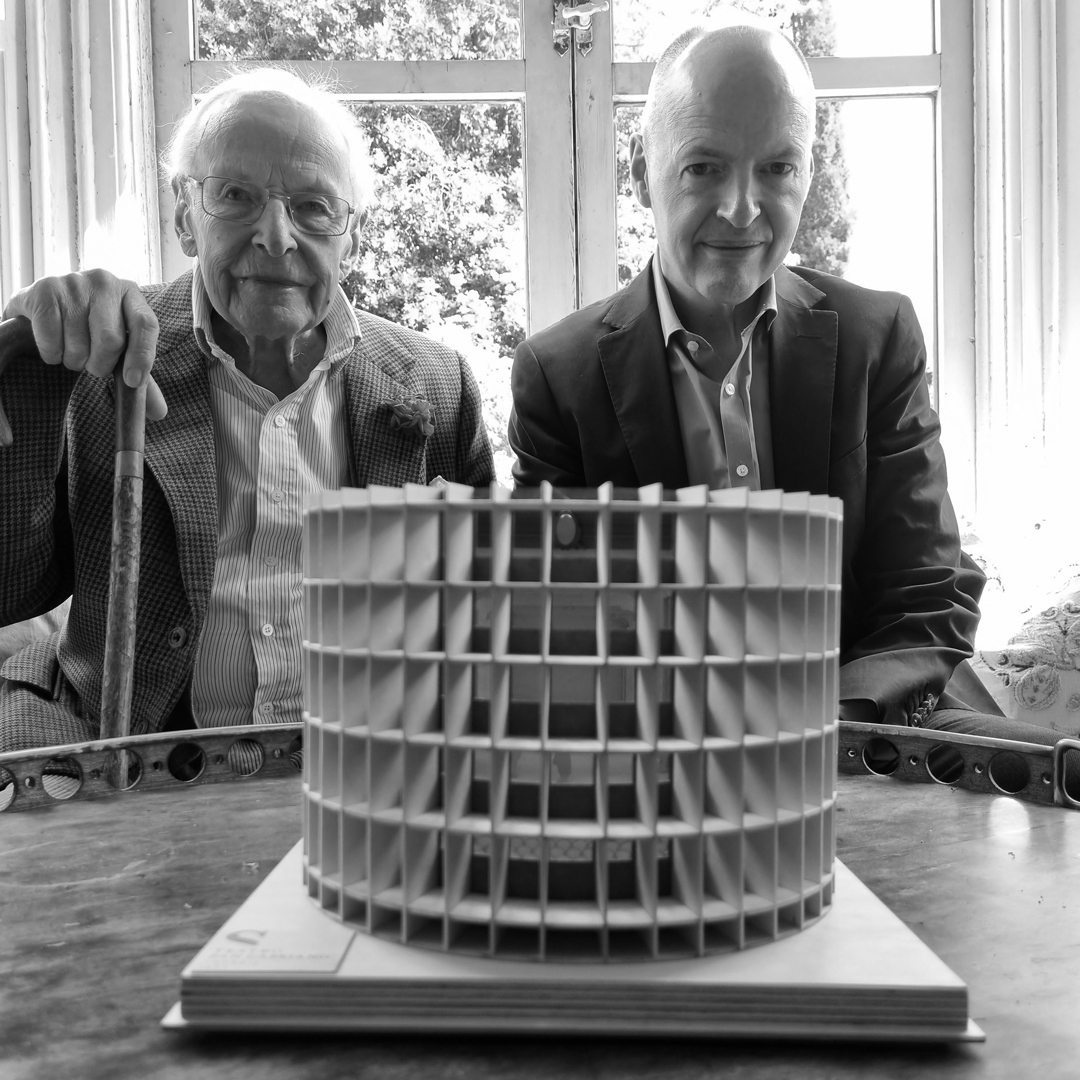
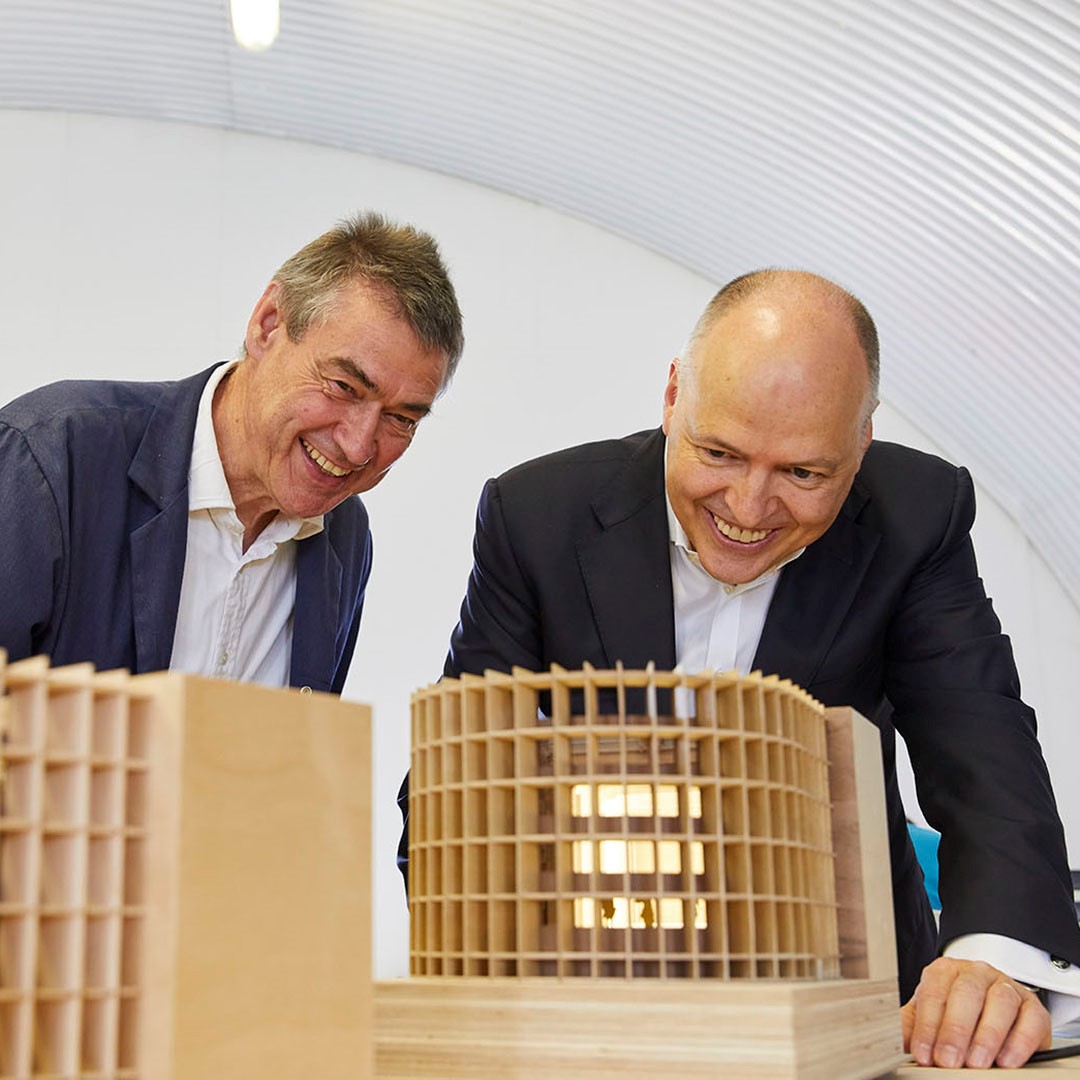
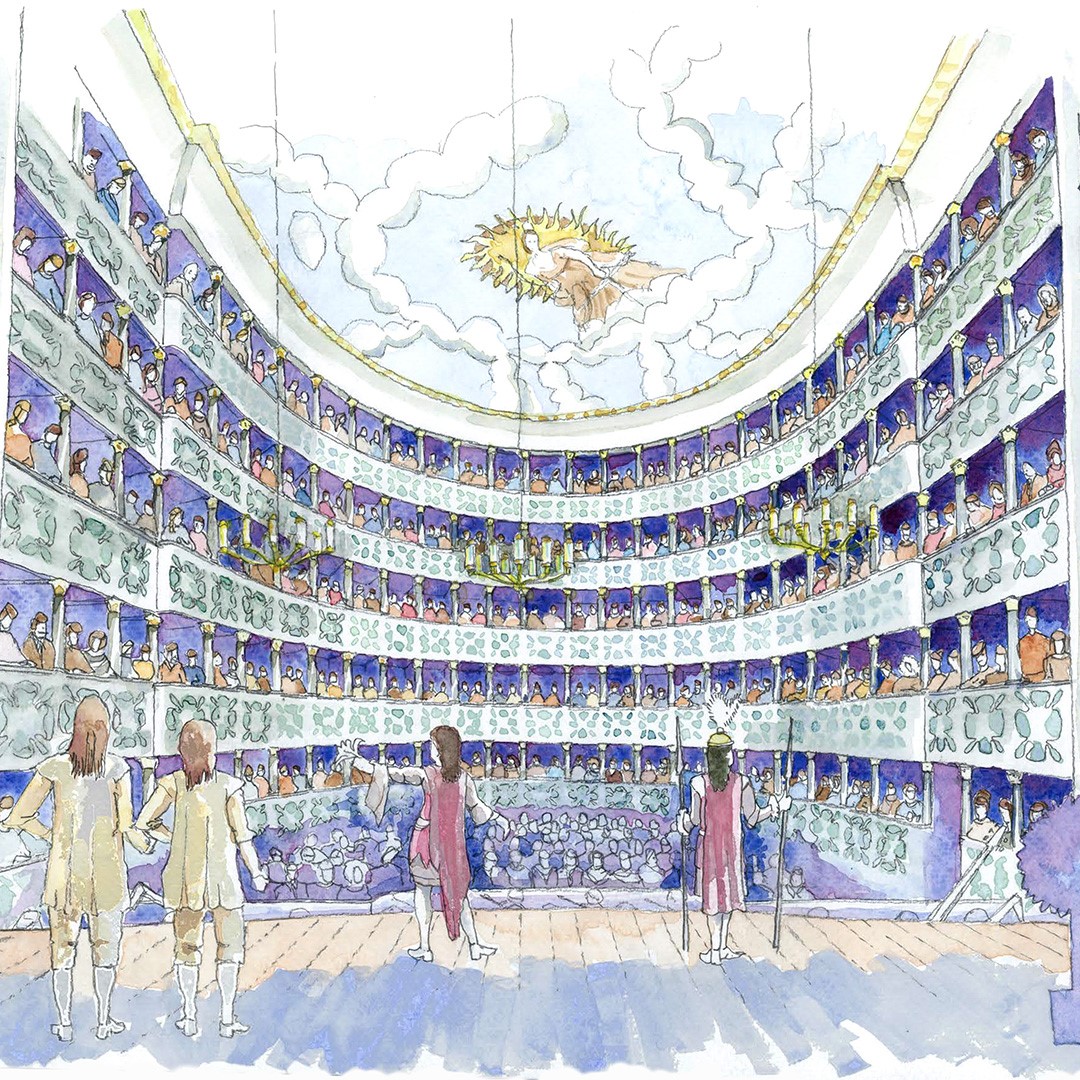
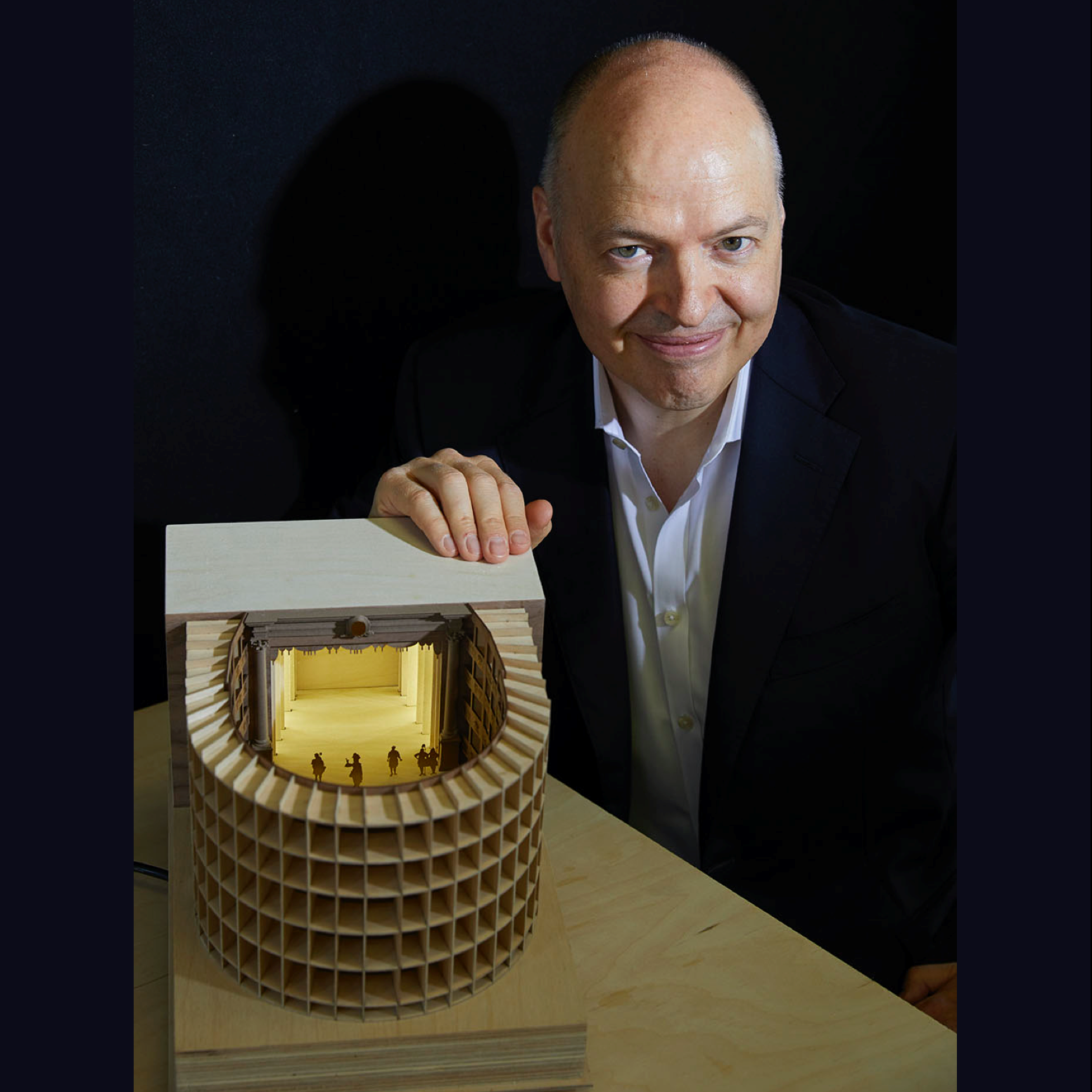
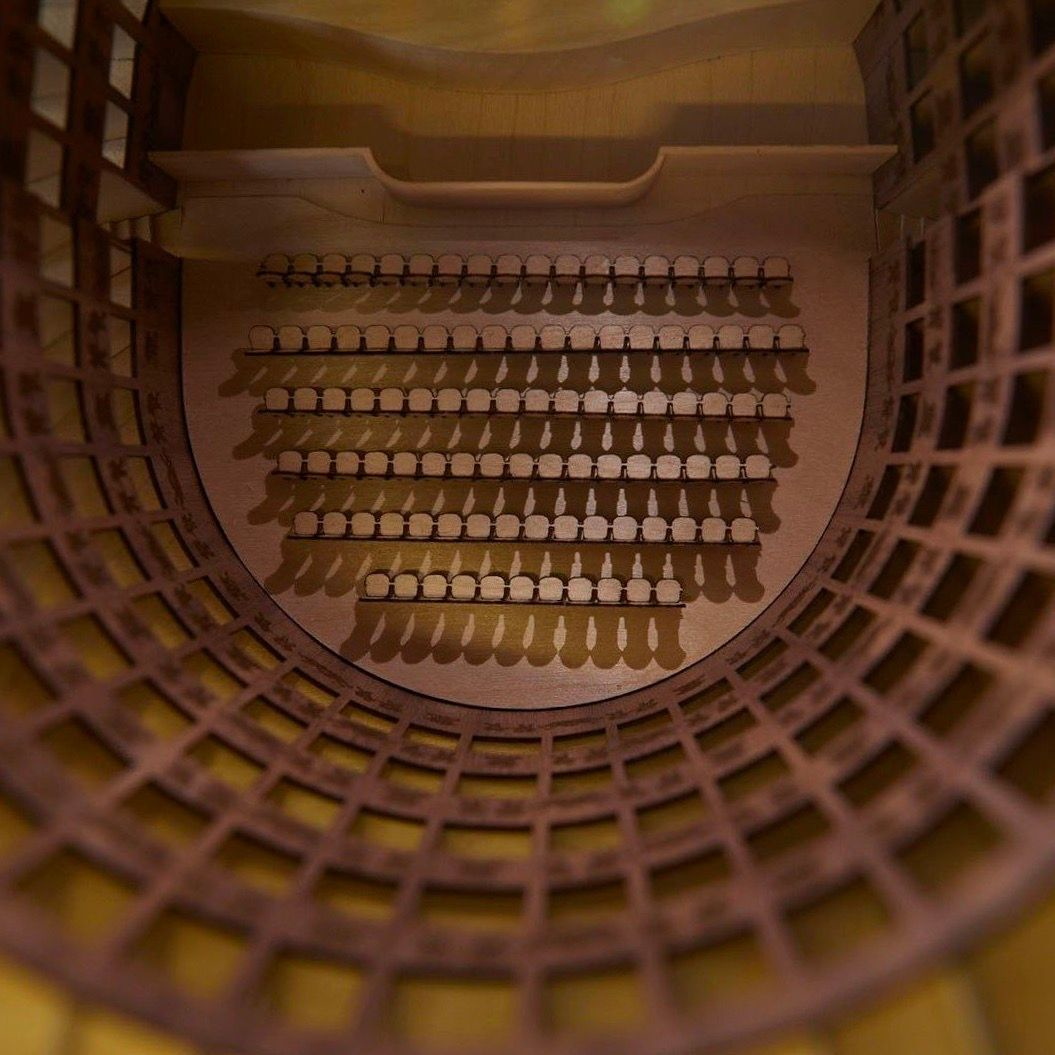
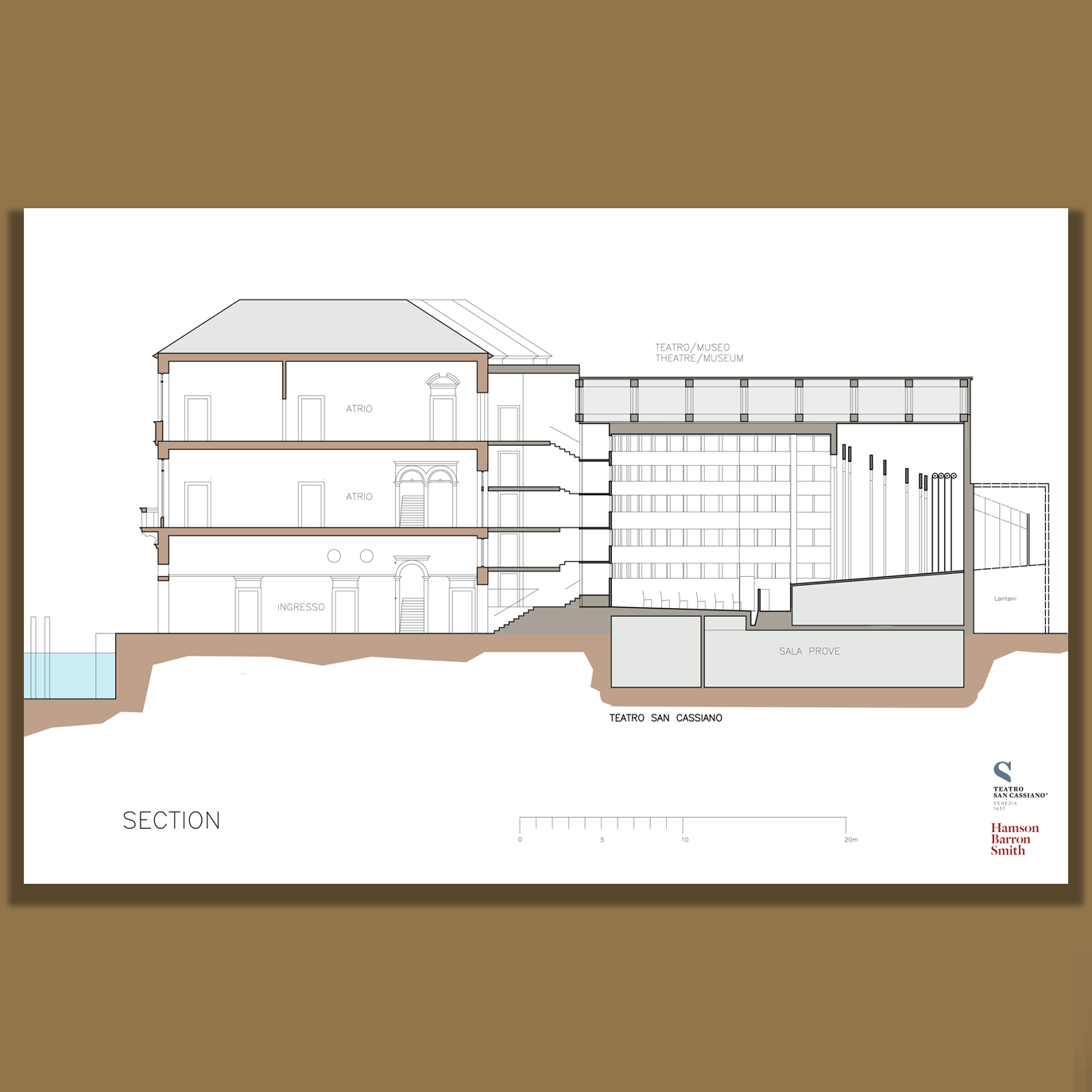
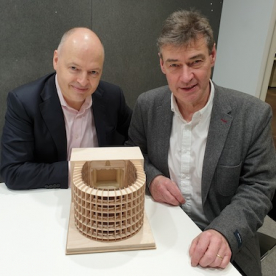
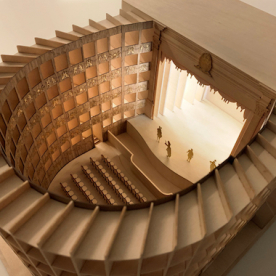
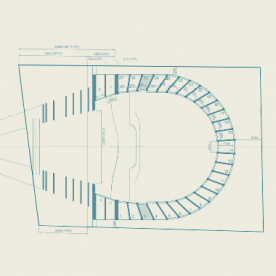
Looking at plans and (brilliant) models of the proposed reconstruction of the Teatro San Cassiano, it is clear we are going to learn so much. The proximity of musicians to each other, to the singers they are accompanying, and of all performers to the receiving audience, will make these operatic evenings essentially chamber experiences, with all their associated advantages. Dramatic and emotional impact is by no means diminished through being delivered in confined spaces; punches are still unpacked, just as they are with for example Schubert’s Winterreise or Schoenberg’s Verklärte Nacht. A rebuilt Teatro San Cassiano will teach so much to the world of opera, recreating it at the very moment of its birth and launching it on its brilliant, chaotic and triumphant path into the heart of Western civilisation. I cannot wait.
Jane Glover

Note
All submissions within this series are given in the writer's chosen language and are not translated. This is to maintain the integrity of their statements, which are their own and without editorial interference or input from the Teatro San Cassiano. The idea of the series is to give you, the reader, an insight into the huge historic and cultural significance of the project and to see it from the multitude of professional perspectives that will need to come together as we approach the enormous task of seeking to reconstruct the Teatro San Cassiano of 1637.
Photo credit: Jim Steere