News
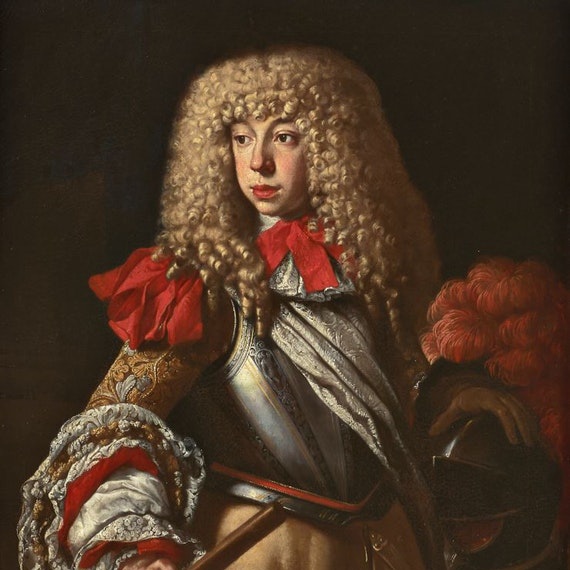
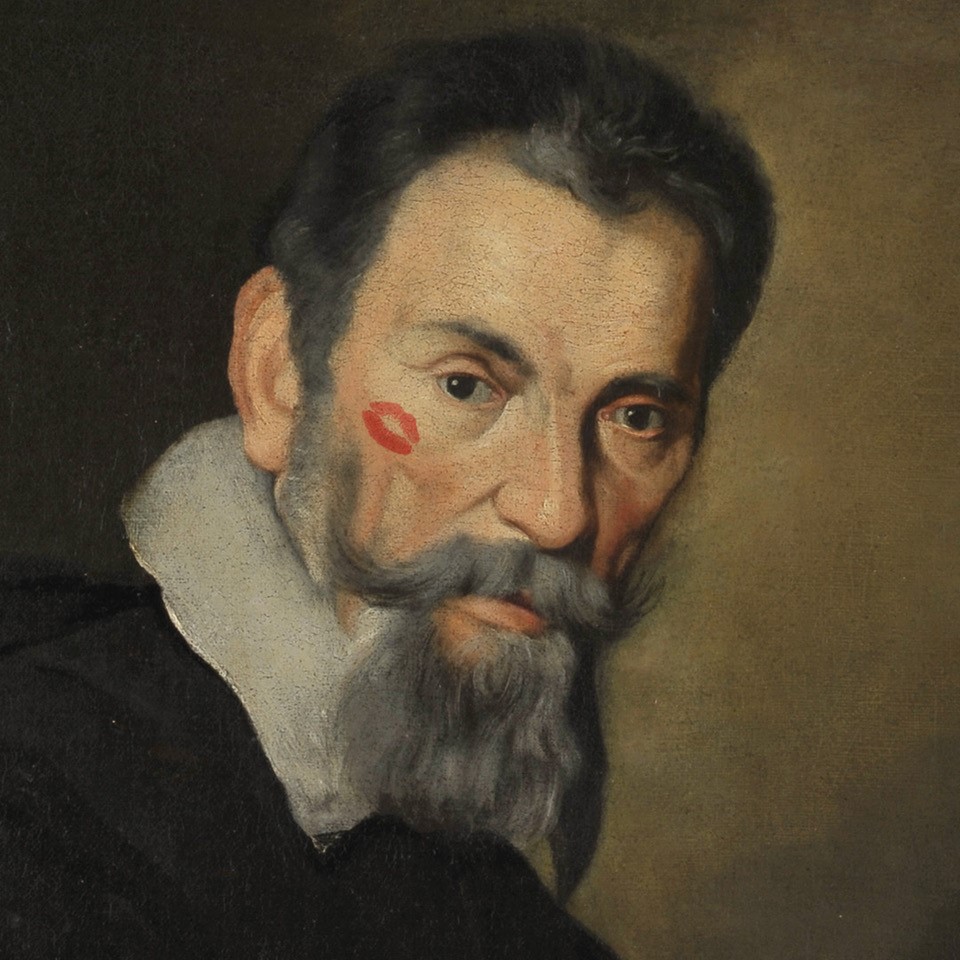
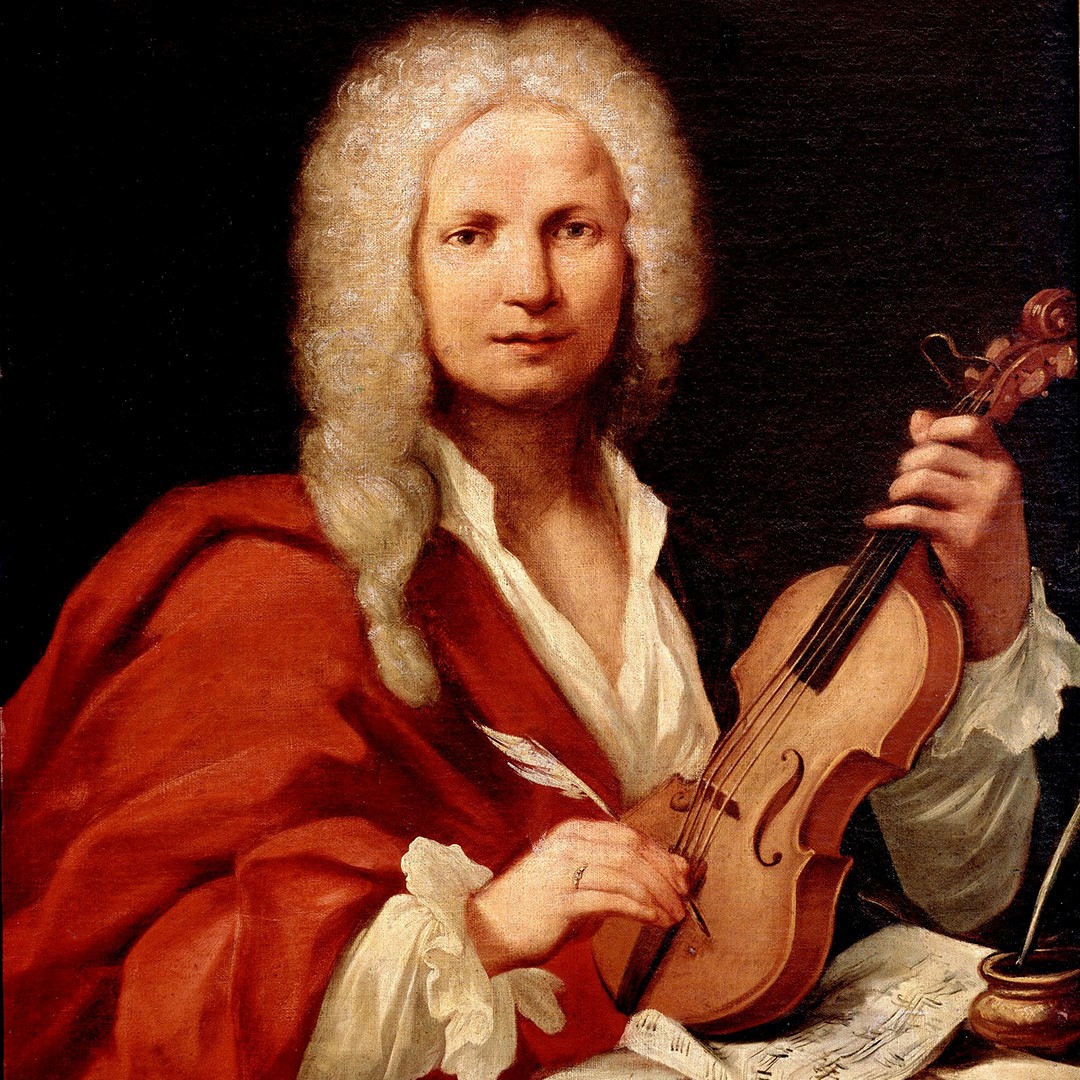
Today, we celebrate the 454th anniversary of the baptism in Cremona on 15 May 1567 of Claudio Monteverdi: the "creator of modern music", the "divin Claudio".
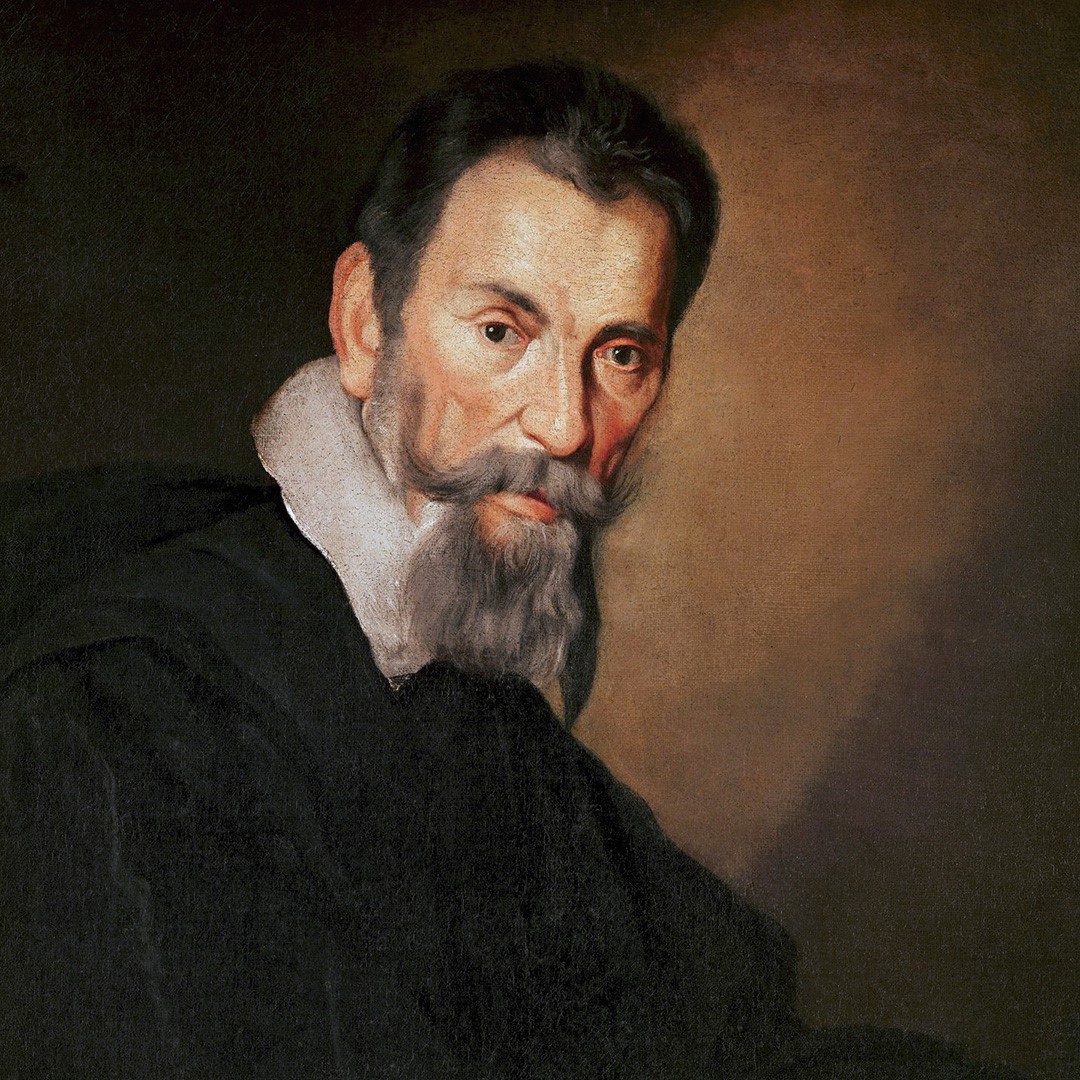
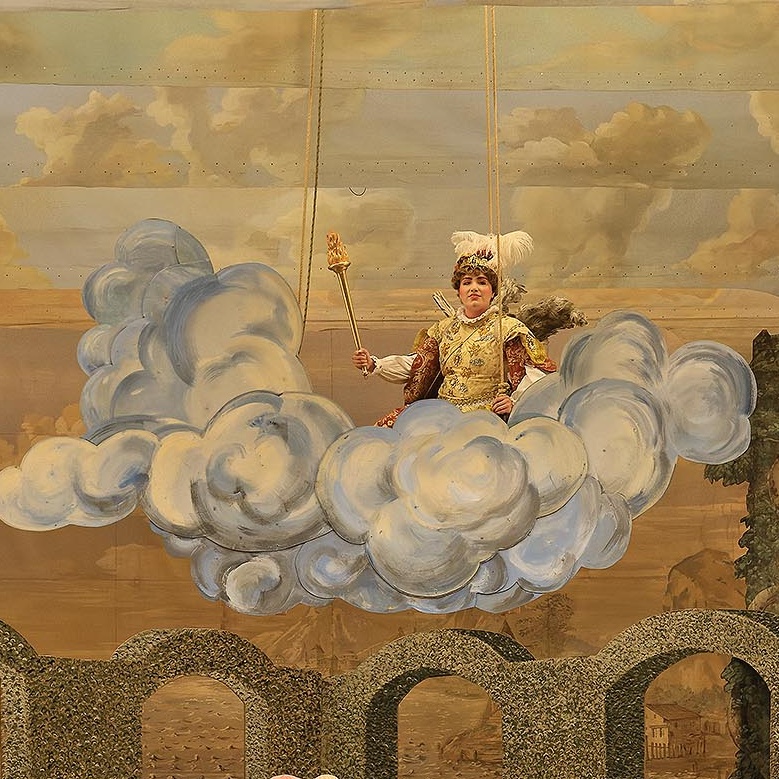
He spent the first important period of his career in Mantua, a jewel of the Renaissance, at the Gonzaga court. It was here that he came to the fore, composing above all madrigals (notably, the very important Fourth and Fifth books, published in 1603 and 1605) and, among other things, the music for L'Orfeo, the first masterpiece of opera to a libretto by Alessandro Striggio junior. In fact, L’Orfeo combines the best of the most recent vocal and instrumental traditions, the many pioneering characteristics of melodramma, the culture of the court, and the climate of the Counter-Reformation.
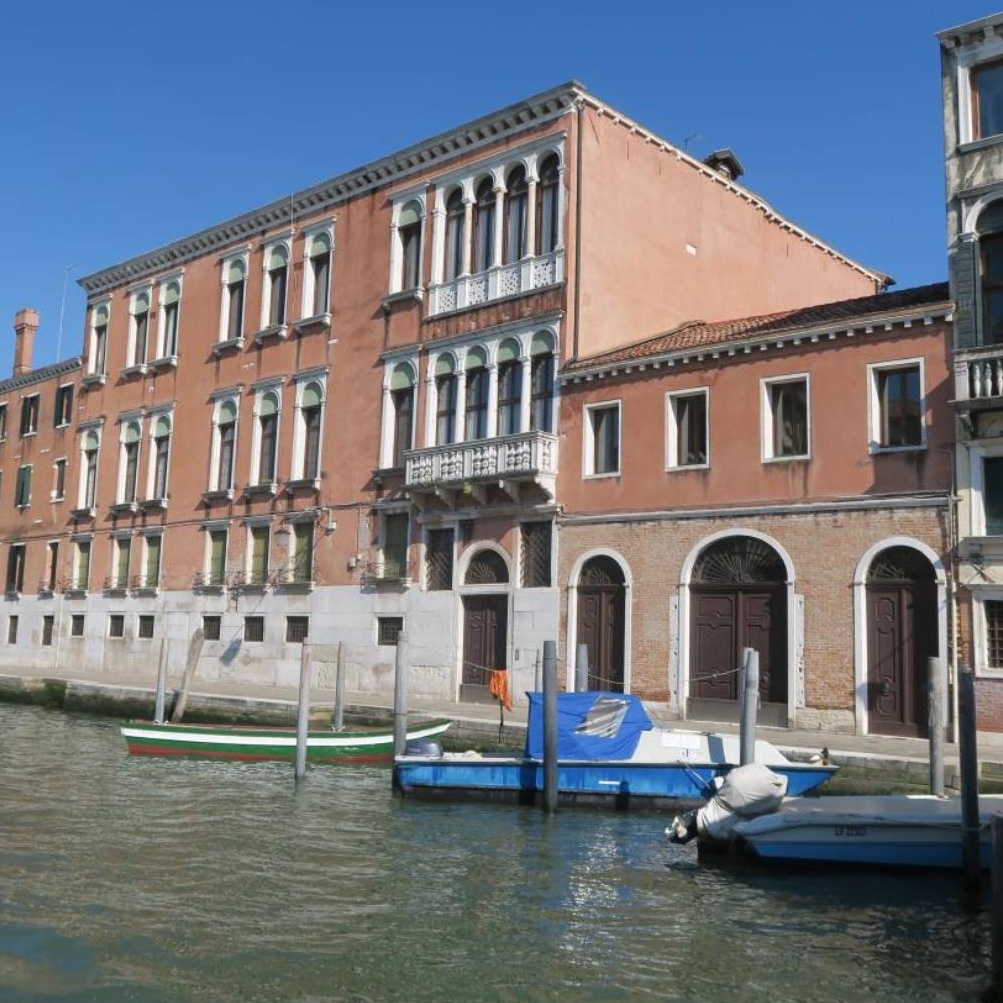
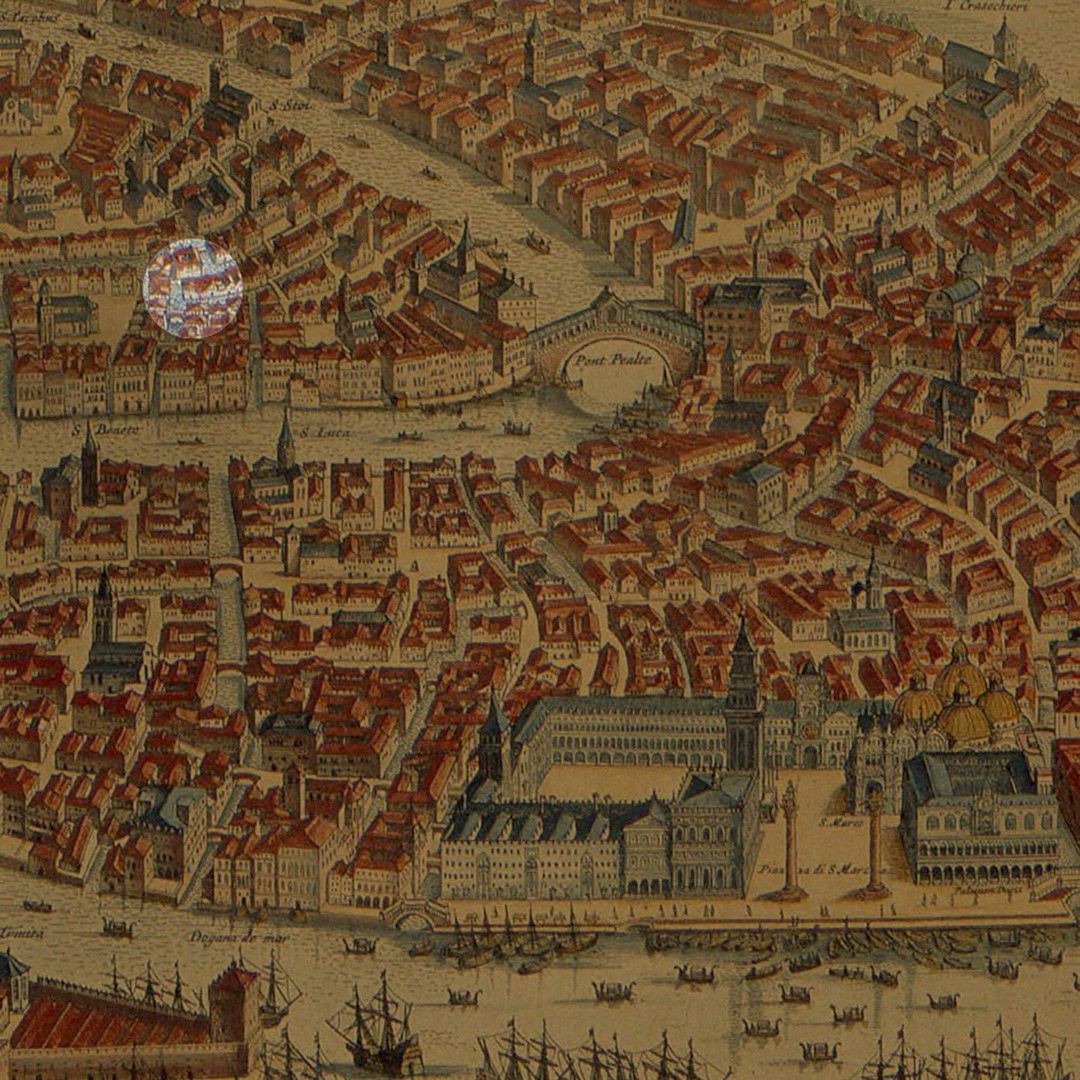
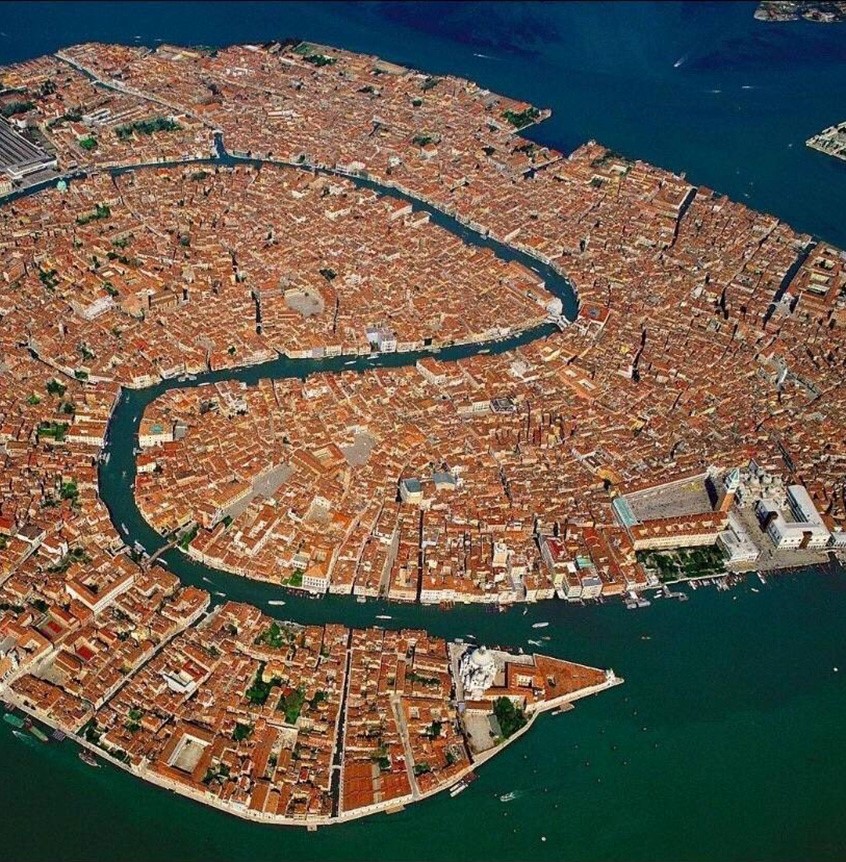
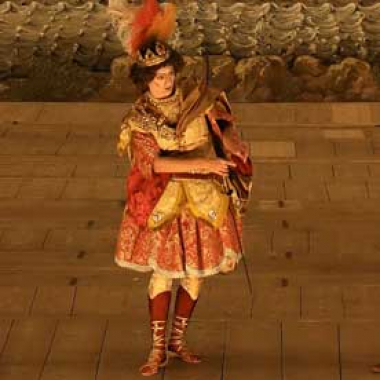
After Mantua, Monteverdi moved to Venice to become Maestro di cappella at Saint Mark’s Basilica. In addition to many other works, his Combattimento di Tancredi et Clorinda was first performed here, in the Palazzo Mocenigo during the carnival of 1624. The text, of extraordinary poetic workmanship and evocative power, was by Torquato Tasso.
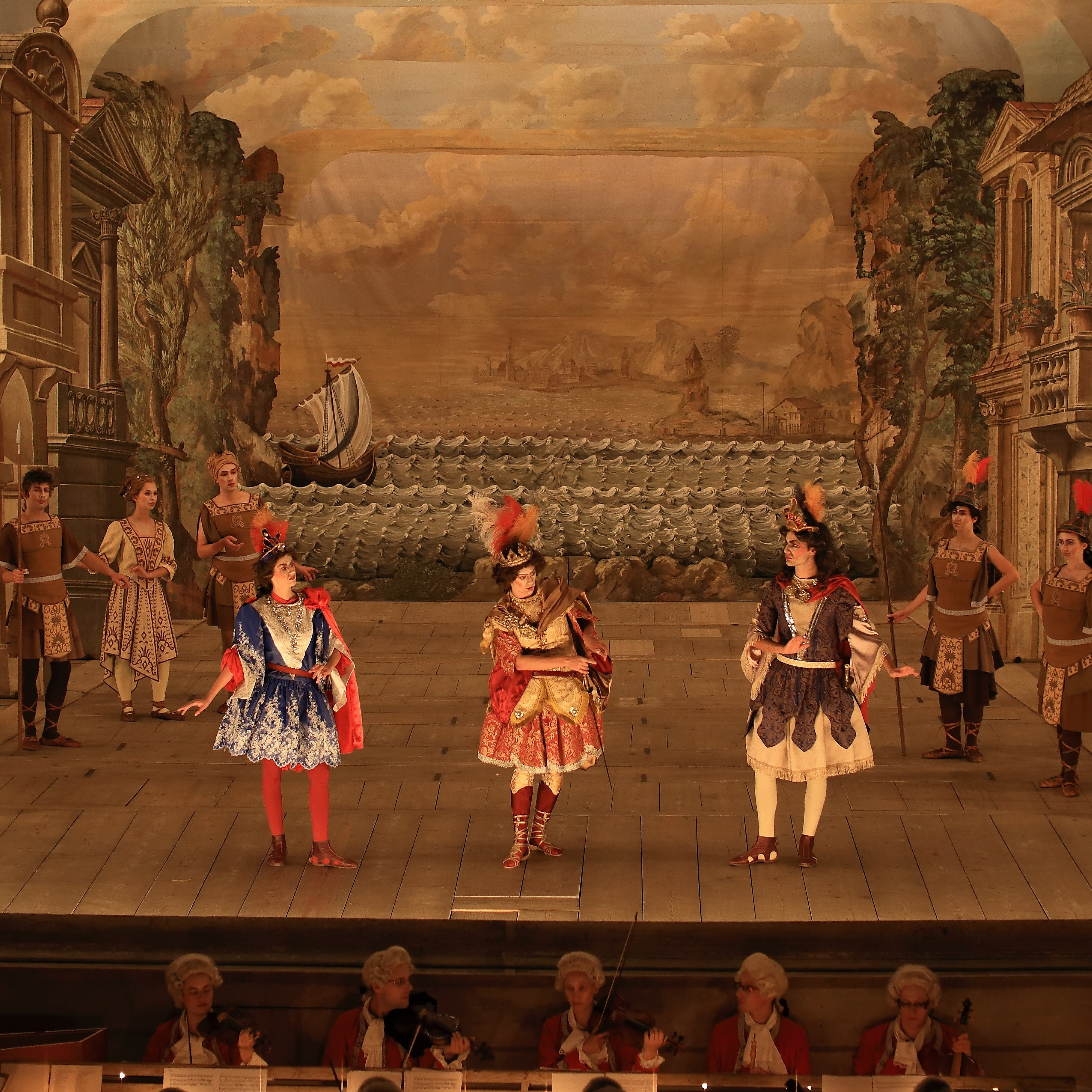
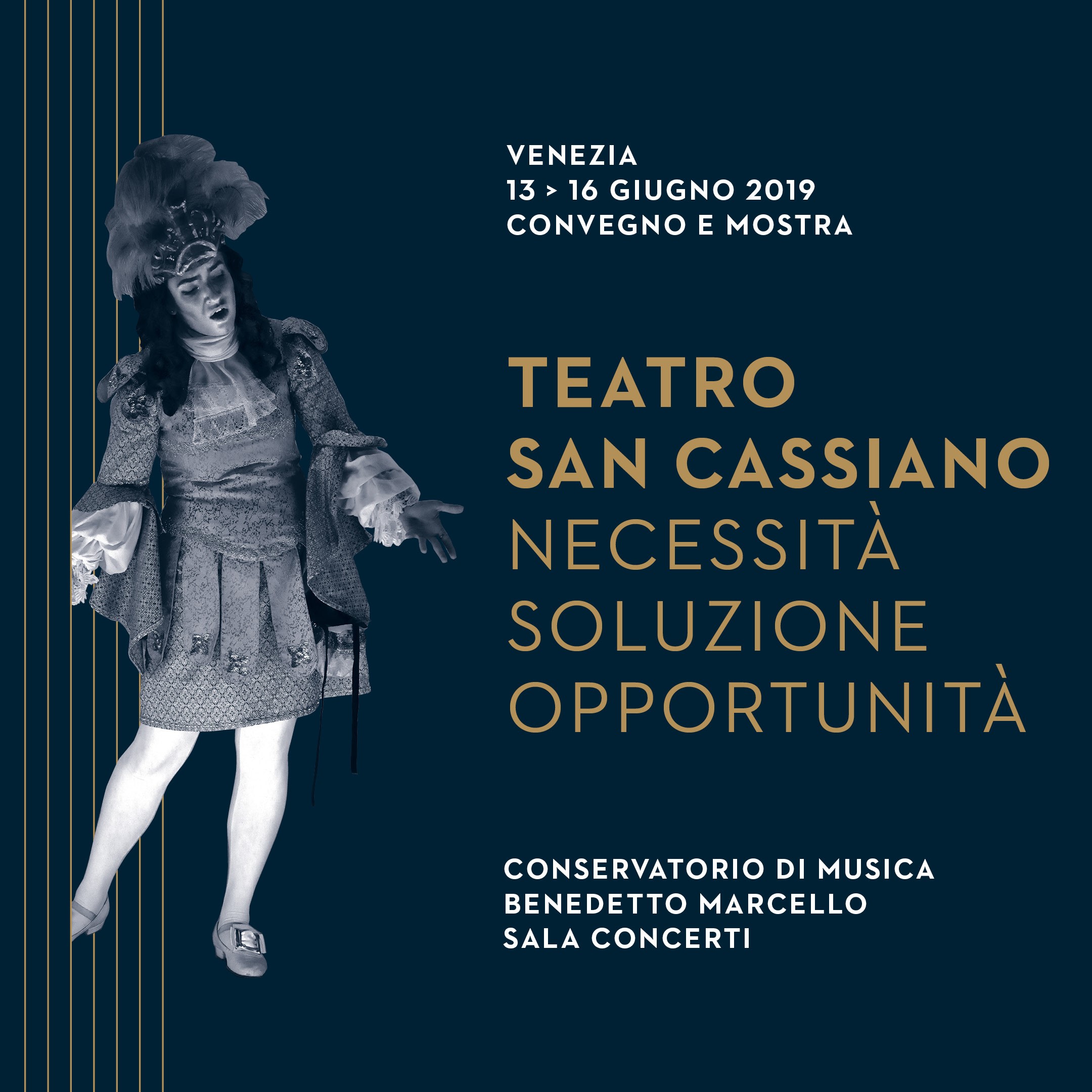
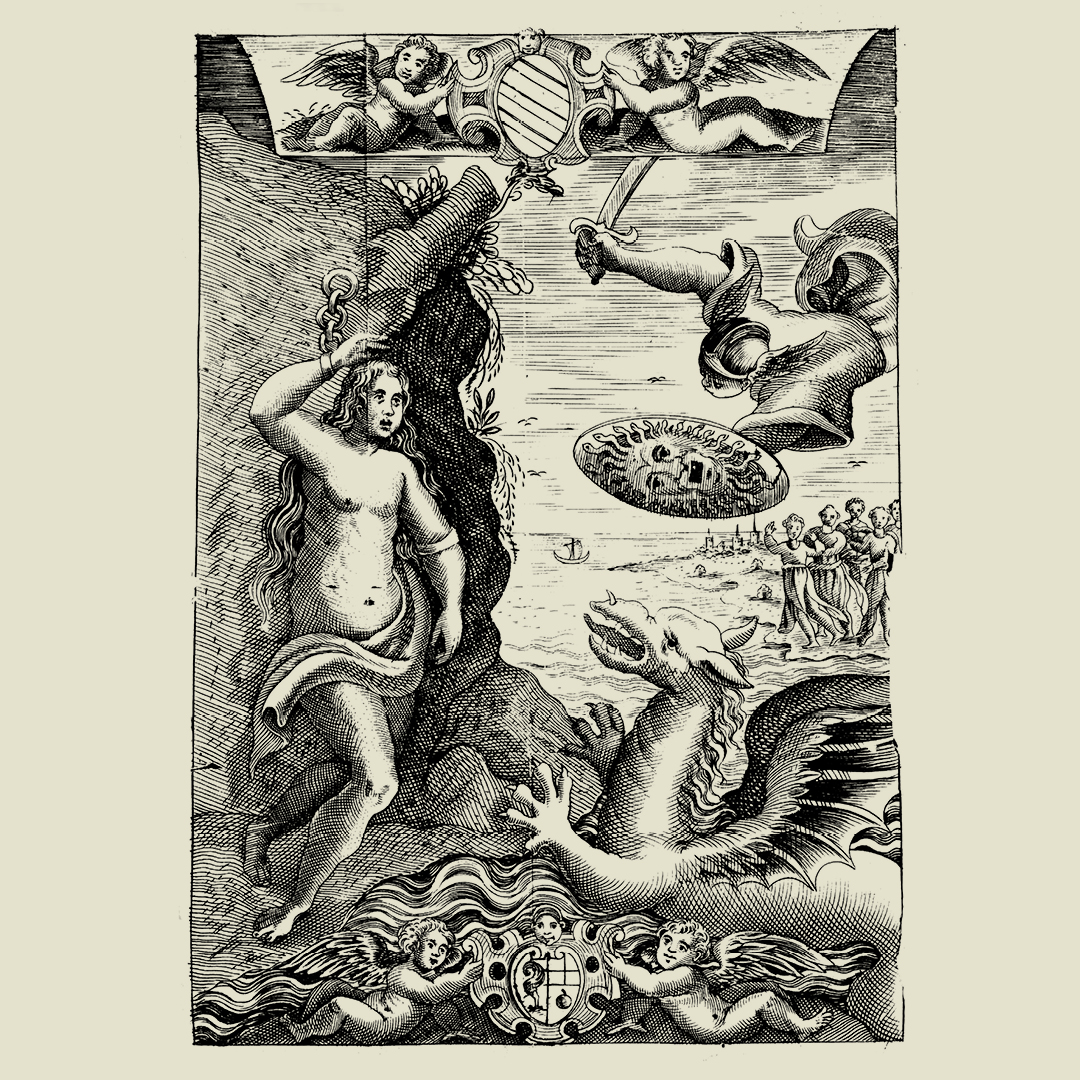
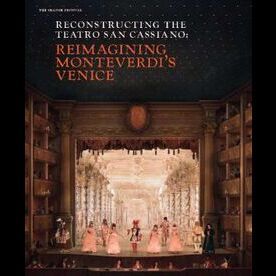
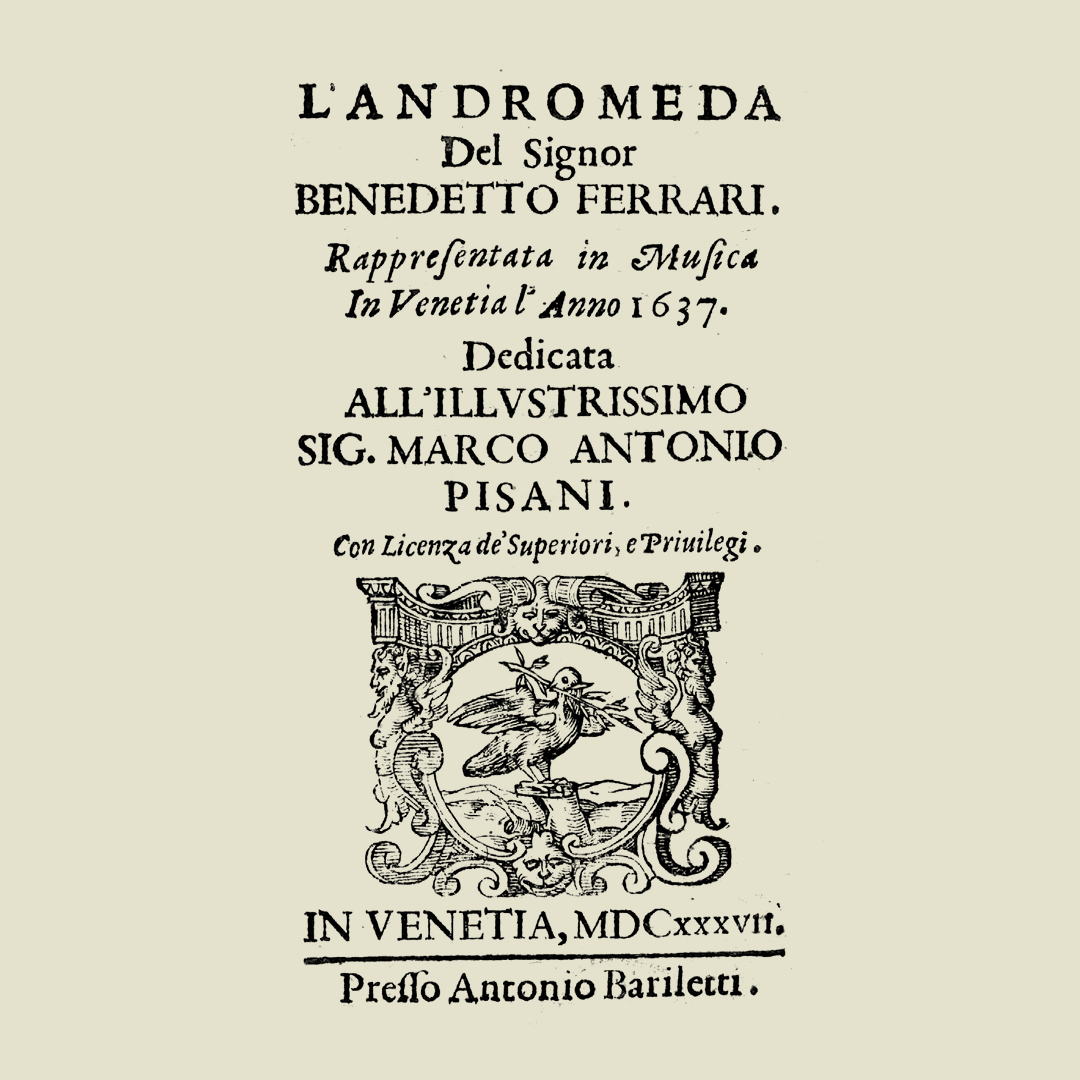
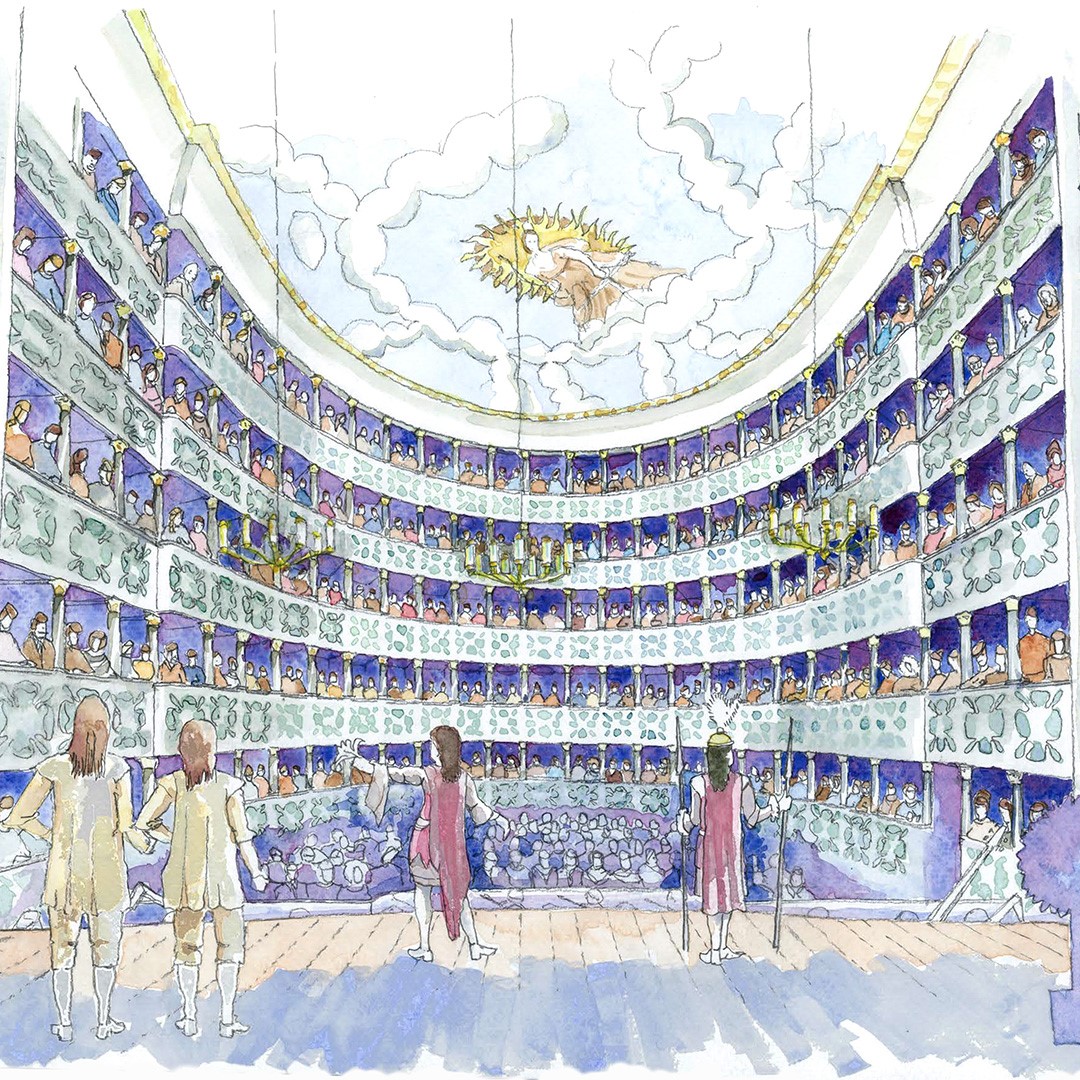
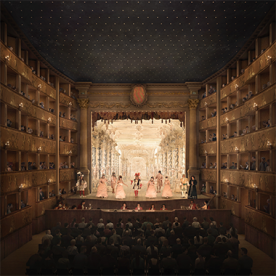
From a more general point of view, the fact that this work—a hybrid with a strong theatrical vocation—was performed for the first time in a Venetian patrician’s palace leads us unavoidably to think contextually both of the internal dynamics of the theatrical world of Venice and of the vicissitudes of the operatic genre in those first decades of the seventeenth century. A little more than a decade later, in 1637 as we all know, the Teatro San Cassiano opened its doors to a paying audience for L'Andromeda by Benedetto Ferrari and Francesco Manelli.
Monteverdi's creative legend as an opera composer—a story we do not know in its entirety since some of his operas have not survived—ended with two more masterpieces: the two extant operas that the over-seventy-year-old Monteverdi wrote specifically for the Venetian public stage. The first, Il ritorno di Ulisse in patria, based on a libretto by the Venetian Giacomo Badoaro, was first performed in 1640 (although until recently it was believed that this opera had been staged at the Teatro San Cassiano, today the consensus amongst musicologists is that it was in fact performed at the Teatro Santi Giovanni e Paolo).
The last opera was La coronatione di Poppea (better known as L'incoronazione di Poppea), staged in 1643—the year of Monteverdi's death—also at the Teatro Santi Giovanni e Paolo. The libretto was by Gian Francesco Busenello, the same author of the librettos Gli amori d'Apollo e di Dafne (1640) and La Didone (1641), both set to music by Francesco Cavalli for the Teatro San Cassiano.
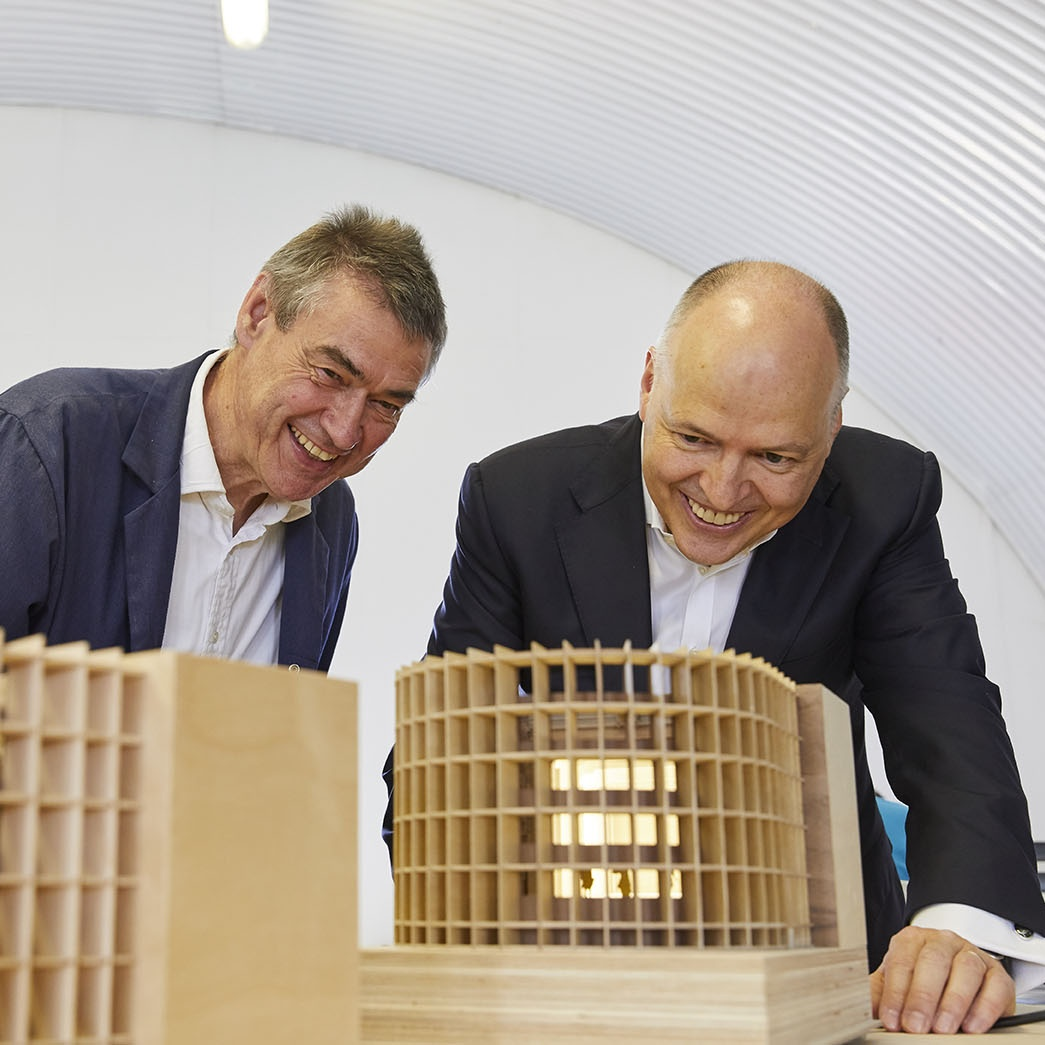
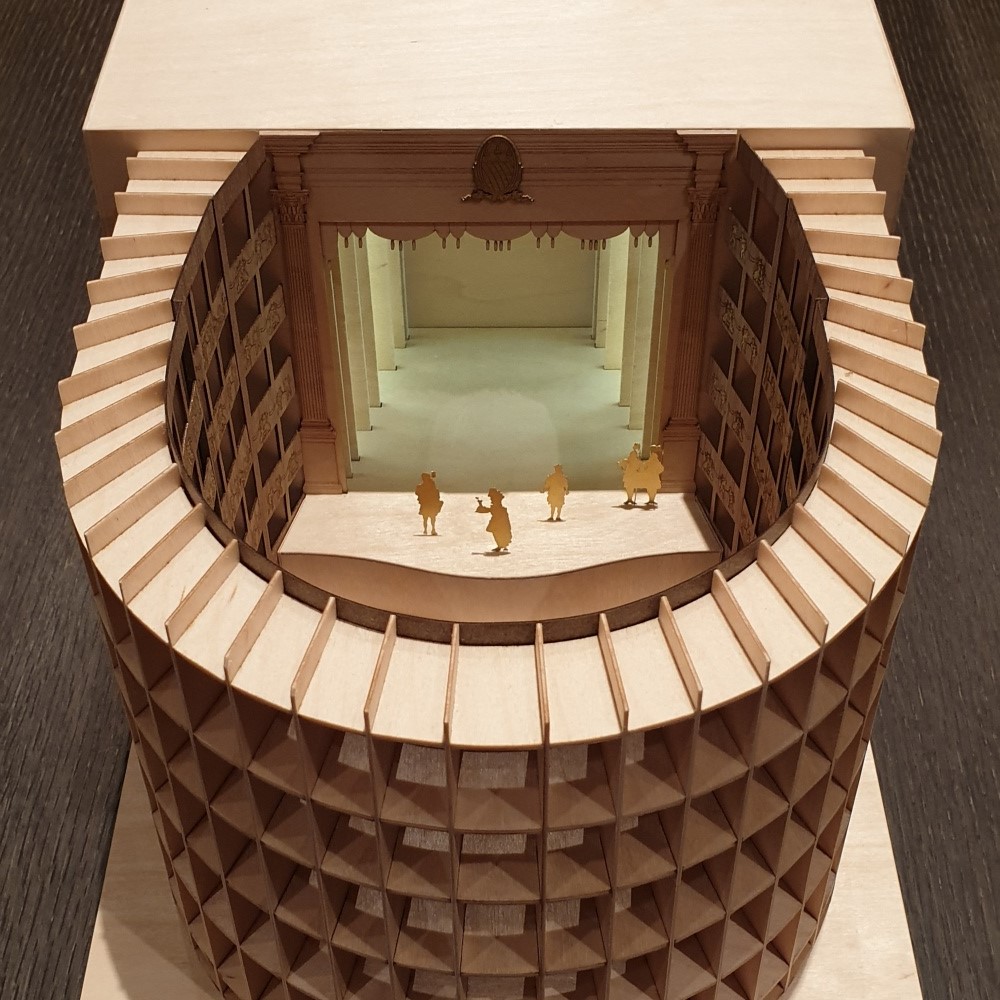
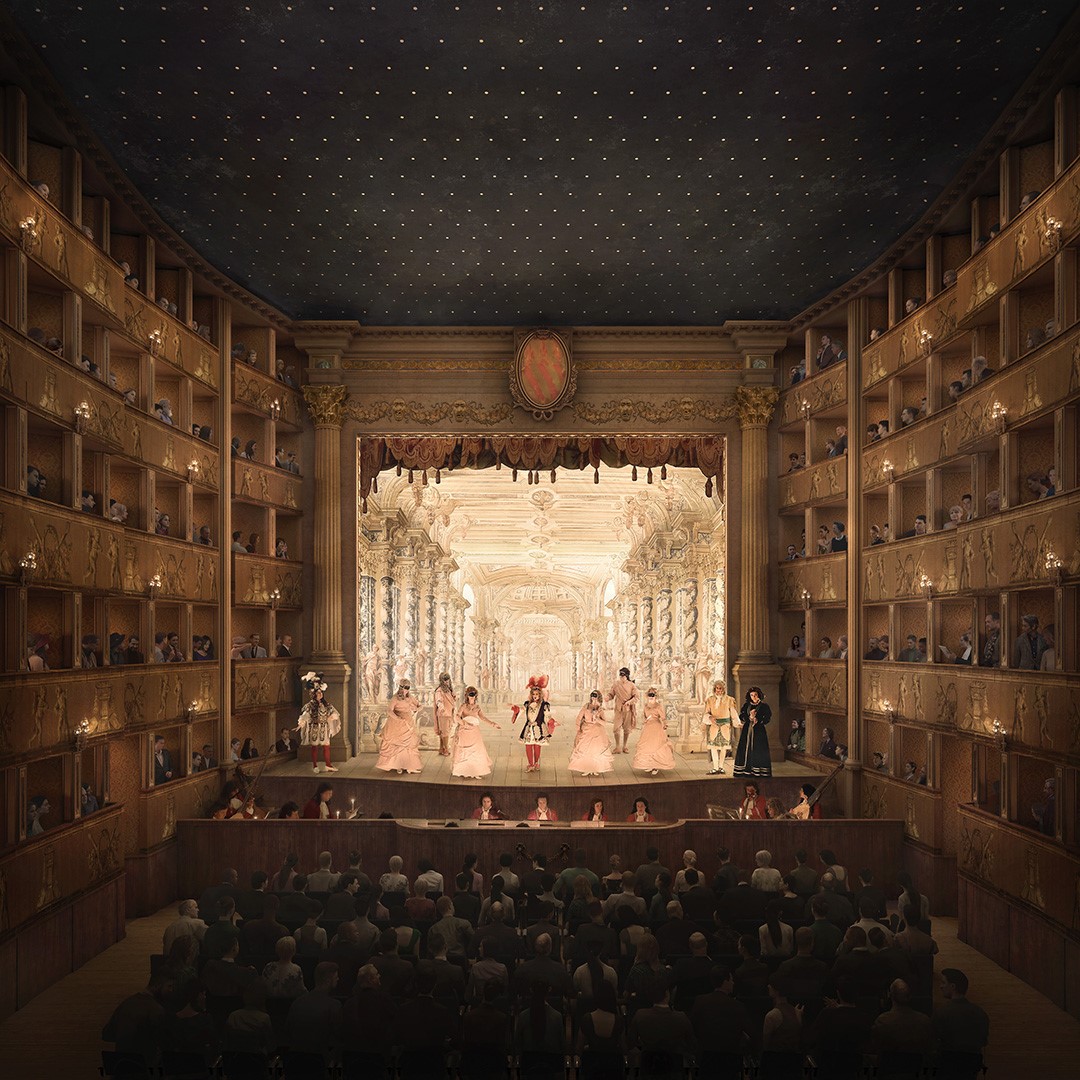
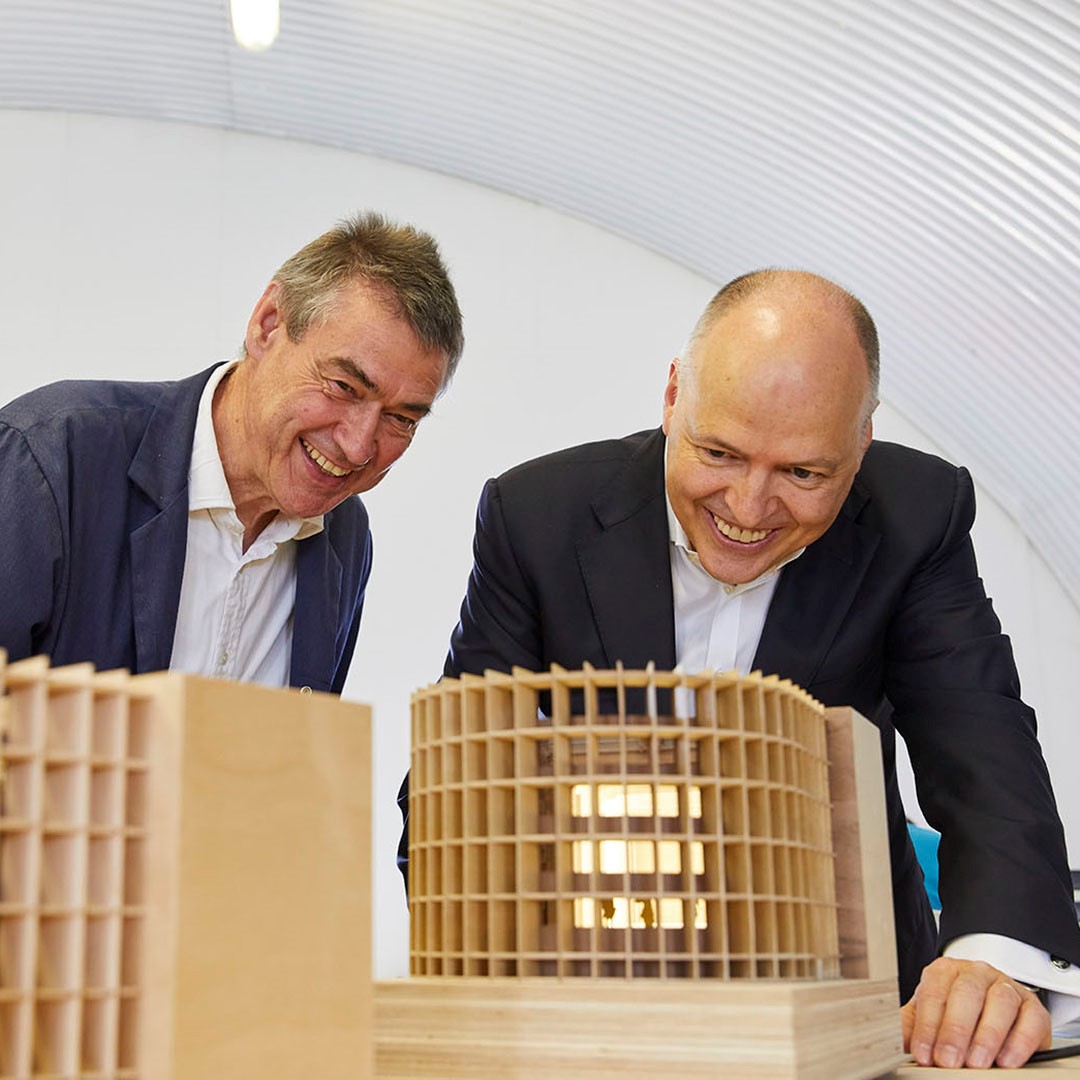
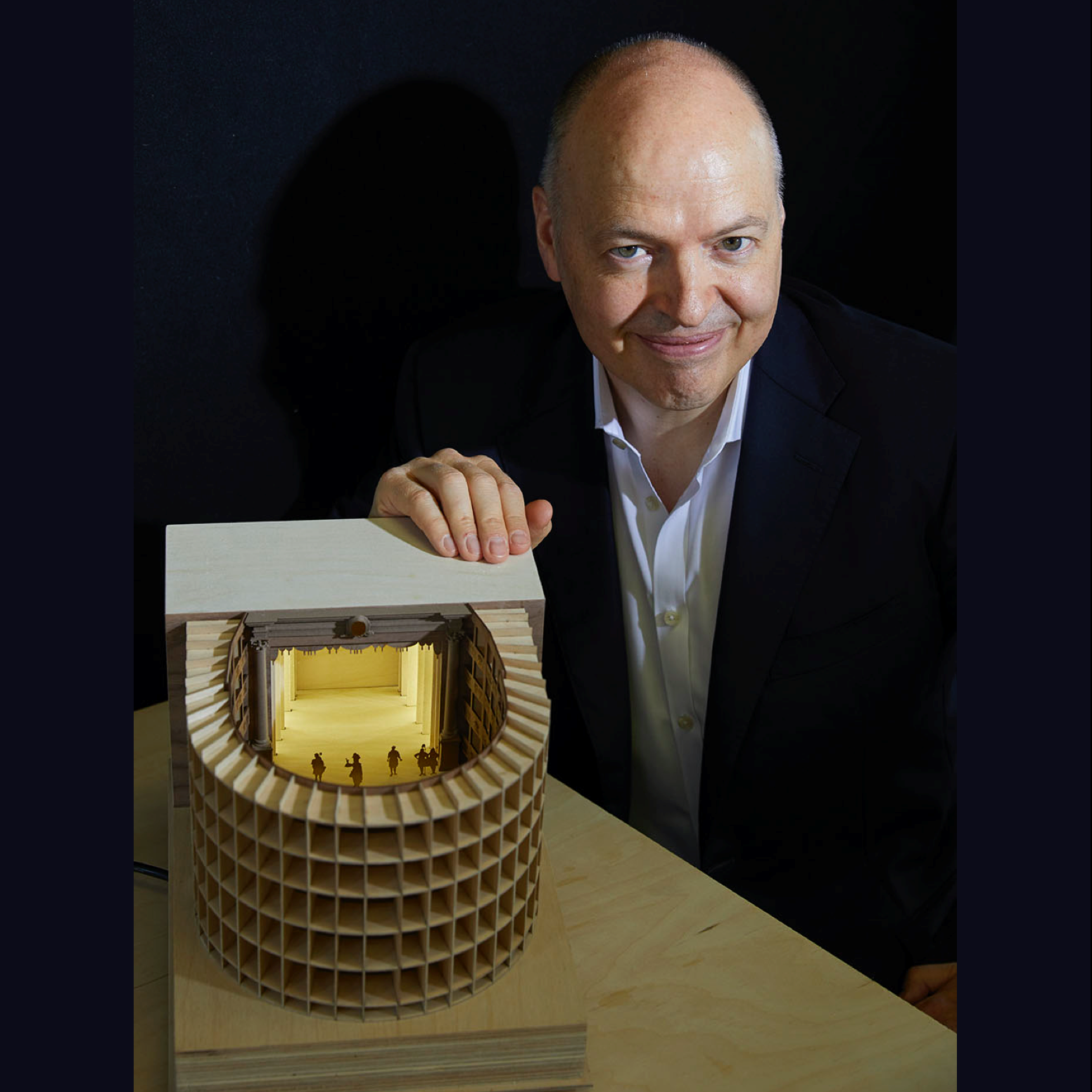
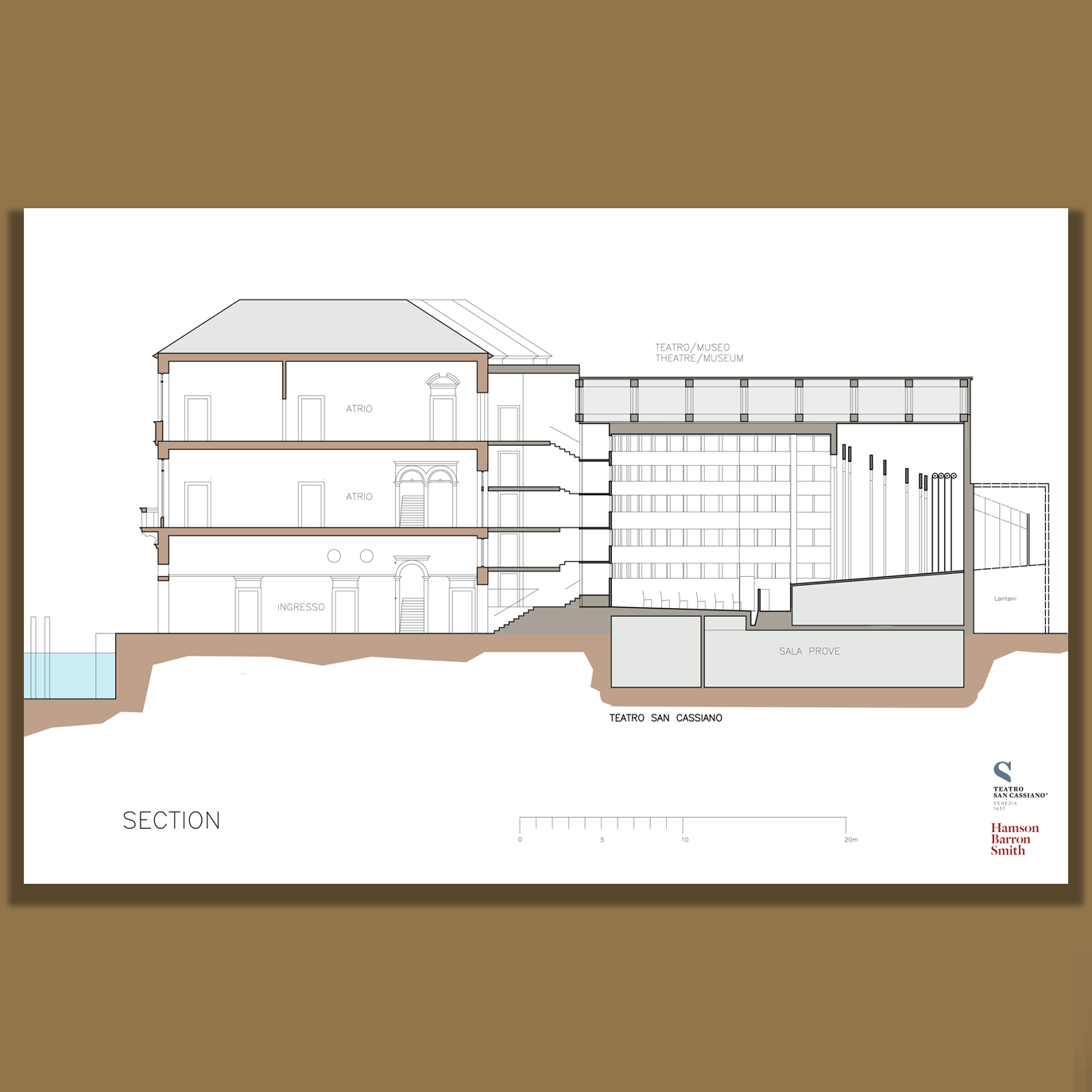
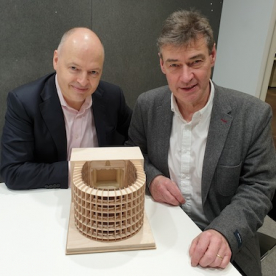
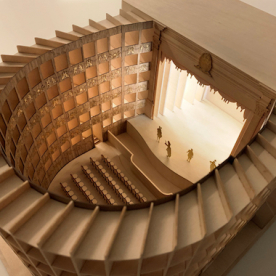
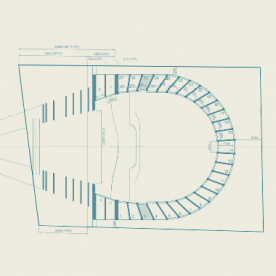
During his lifetime, Claudio Monteverdi was the leading figure in the momentous journey from court opera to the "public theatres, popularly called penny-theatres" (to quote Fabrizio Carini Motta). On the one hand, this journey led to the establishment of specific musical venues (the teatri all’italiana, or Italianate opera houses) and a commercial model that would prove extremely successful in the centuries to come; on the other hand, it is a journey that leads us from so many points of view to the heart of the Teatro San Cassiano project, within which Monteverdi will be one of the great protagonists.
Dr STEFANO PATUZZI
Director of research
Teatro San Cassiano