News

Update
TEATRO ANATOMICO

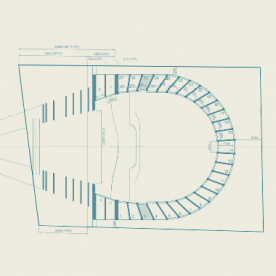
Built in 1594, the Teatro Anatomico in Padua is the oldest permanent anatomical theatre in the world.

But what is its relevance to the Teatro San Cassiano?
 
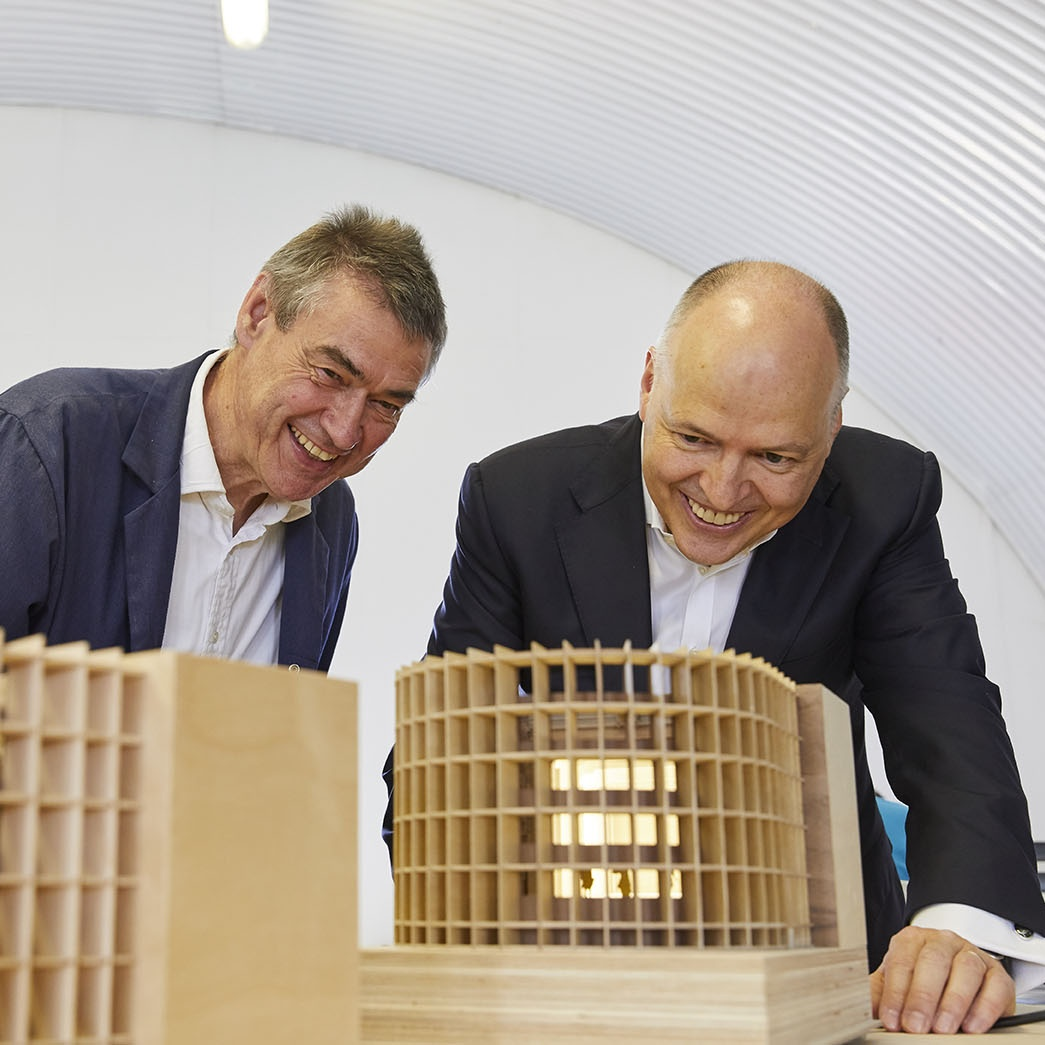
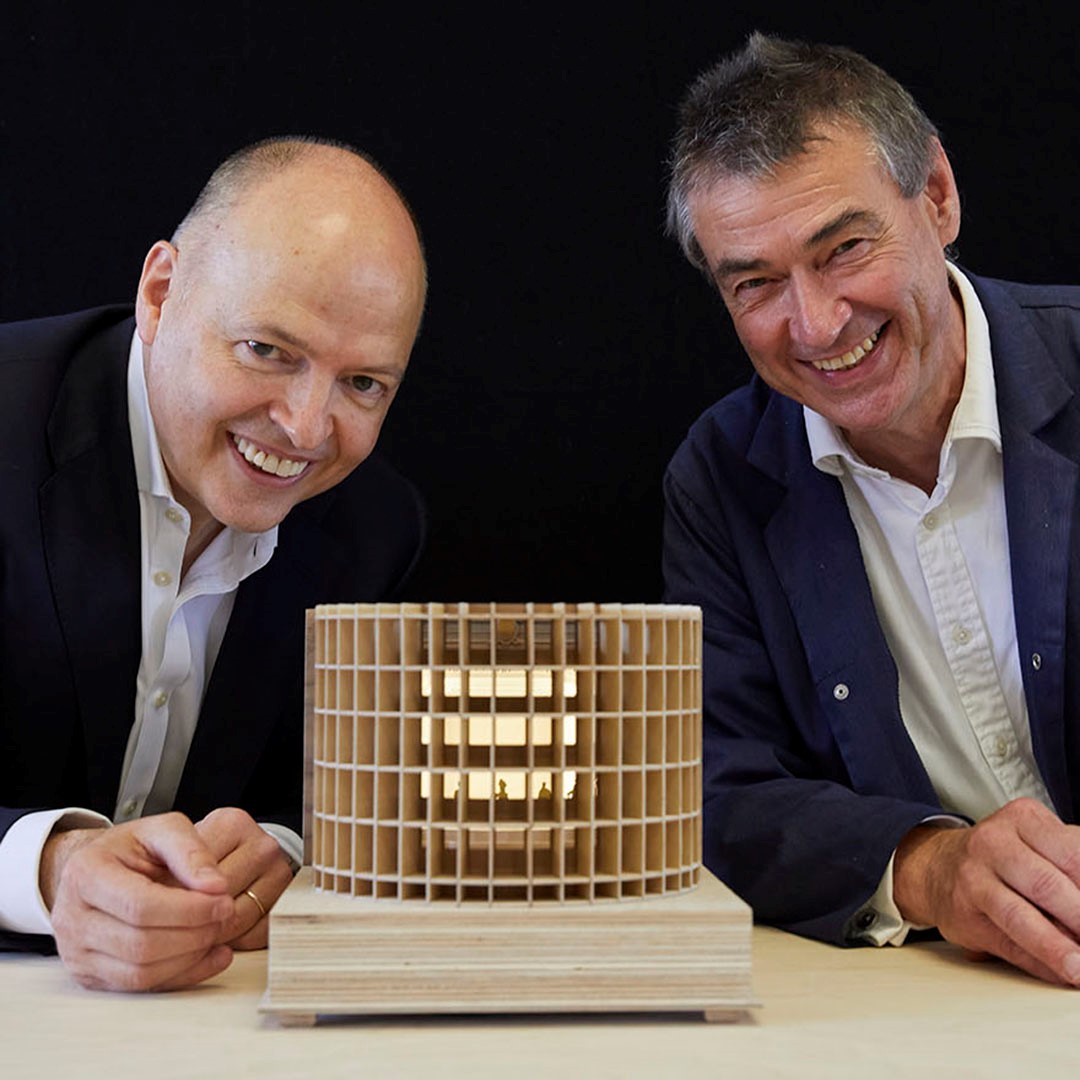
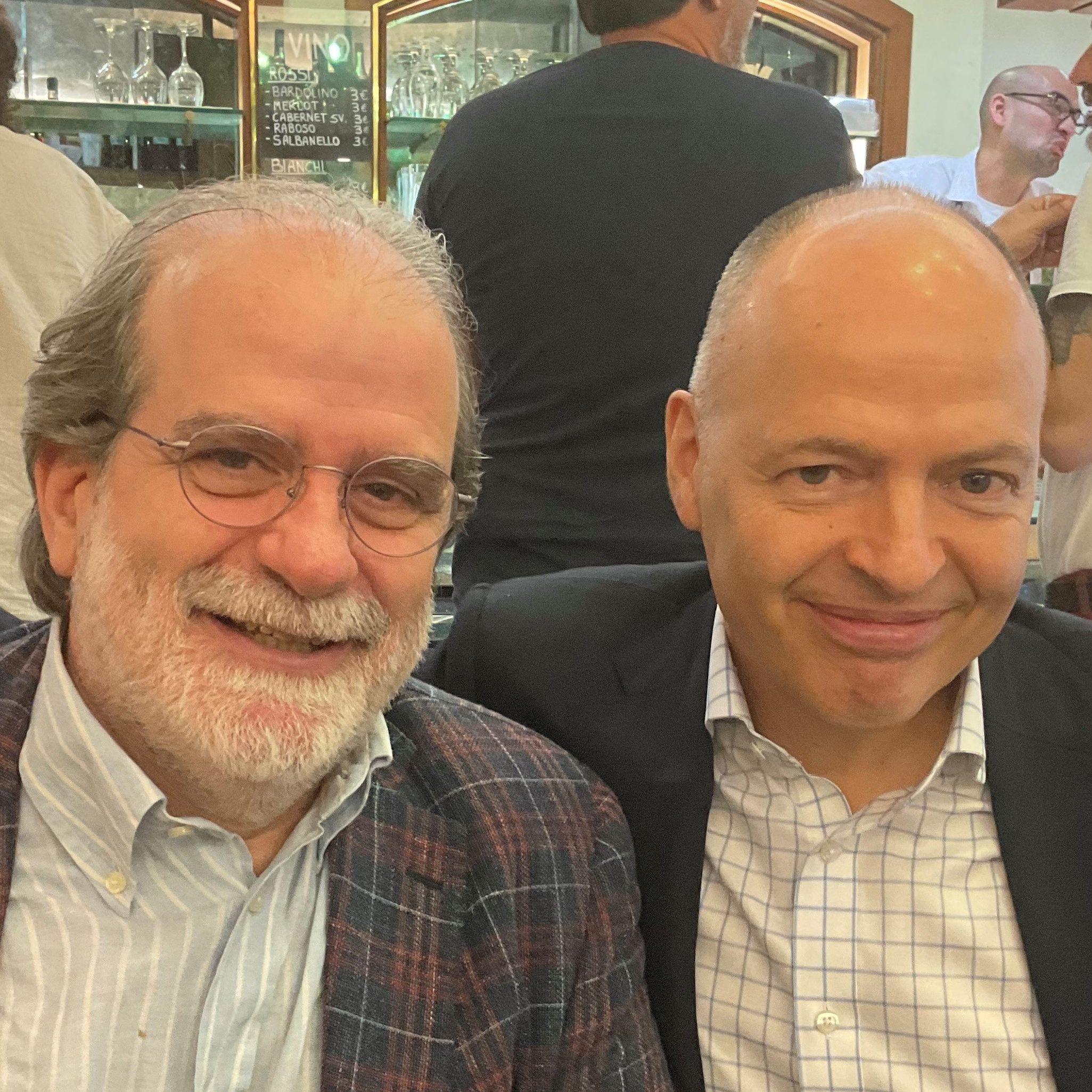
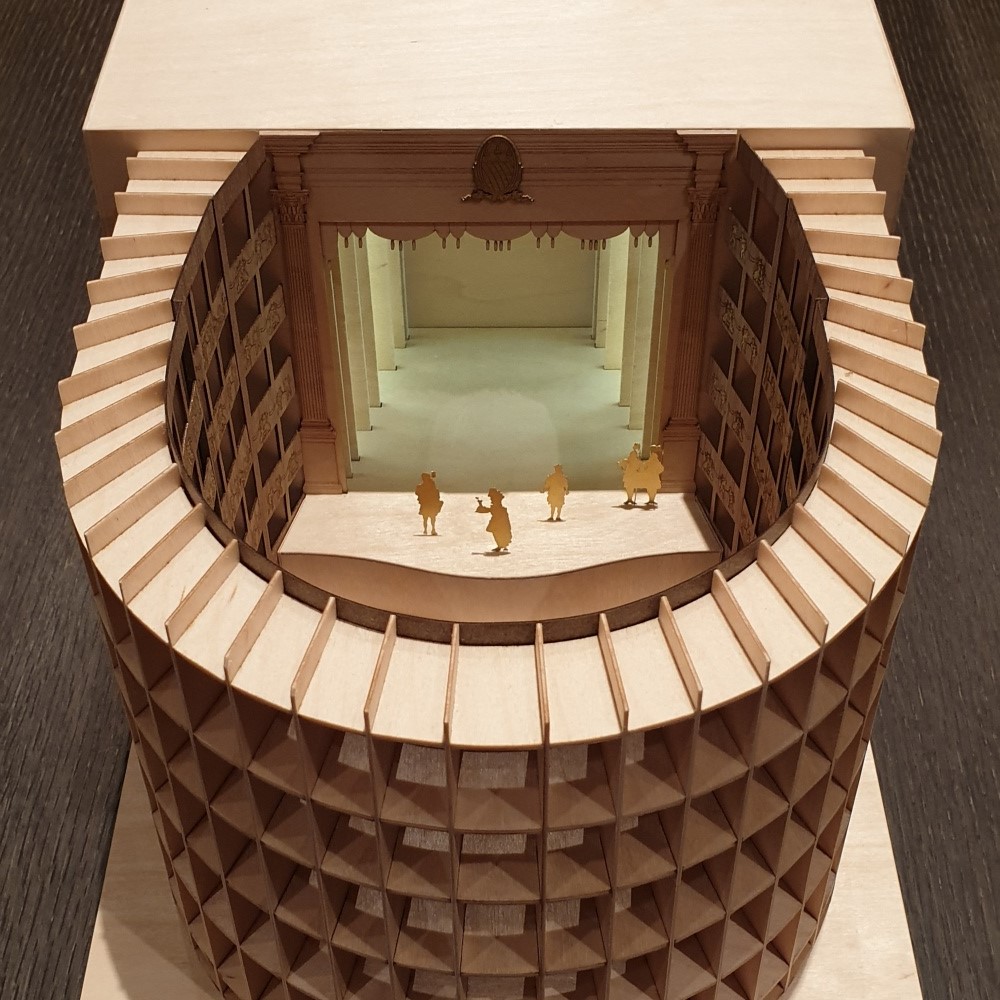
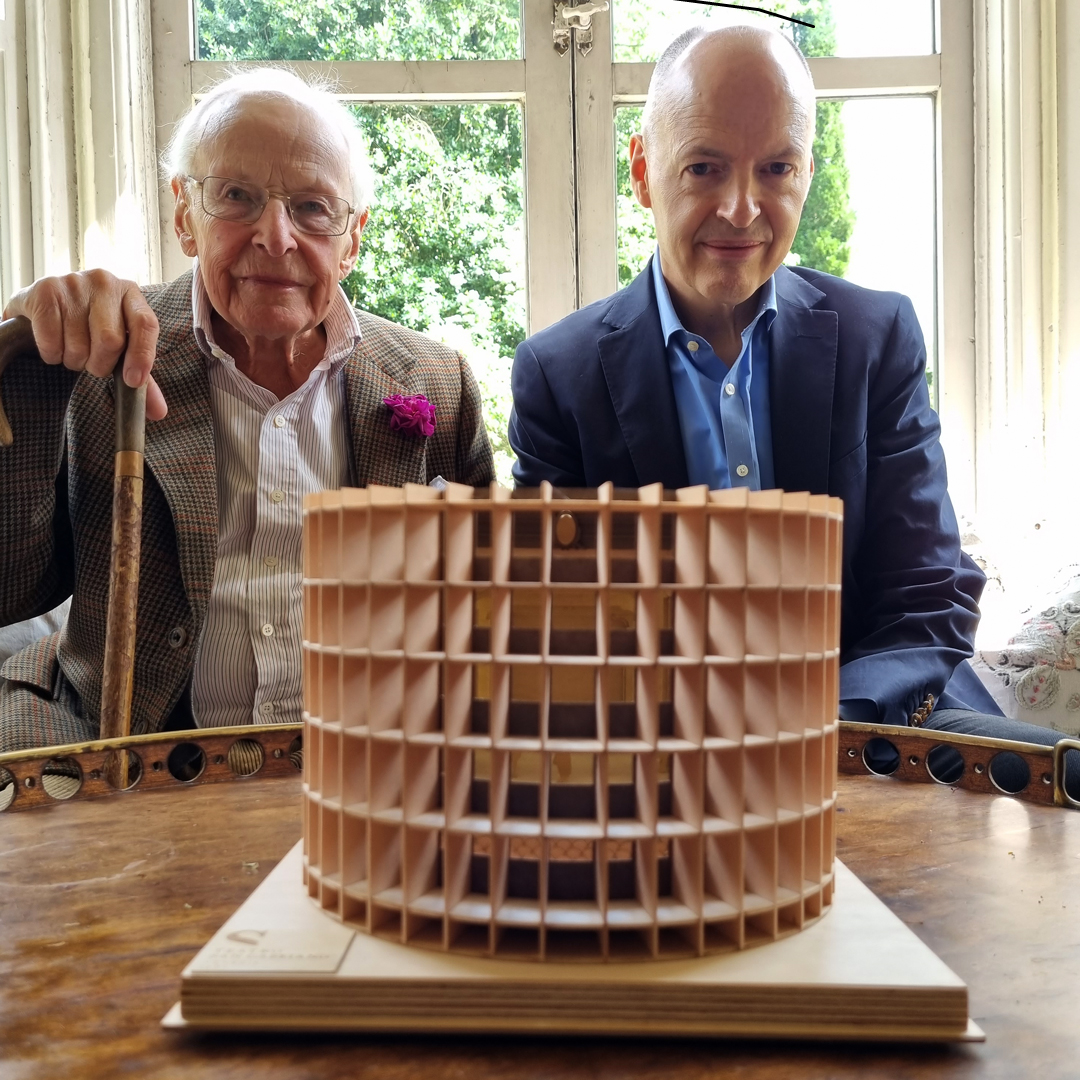
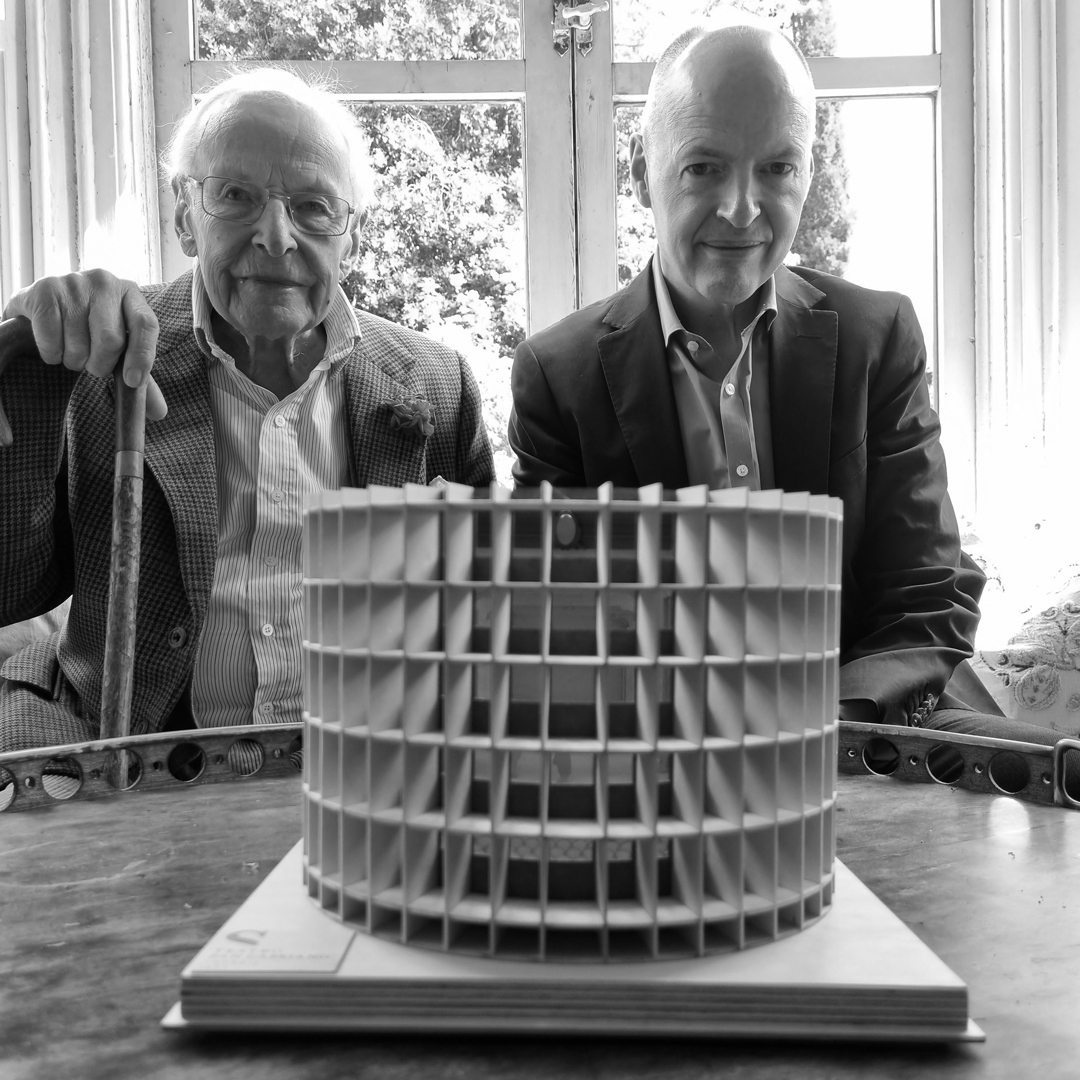
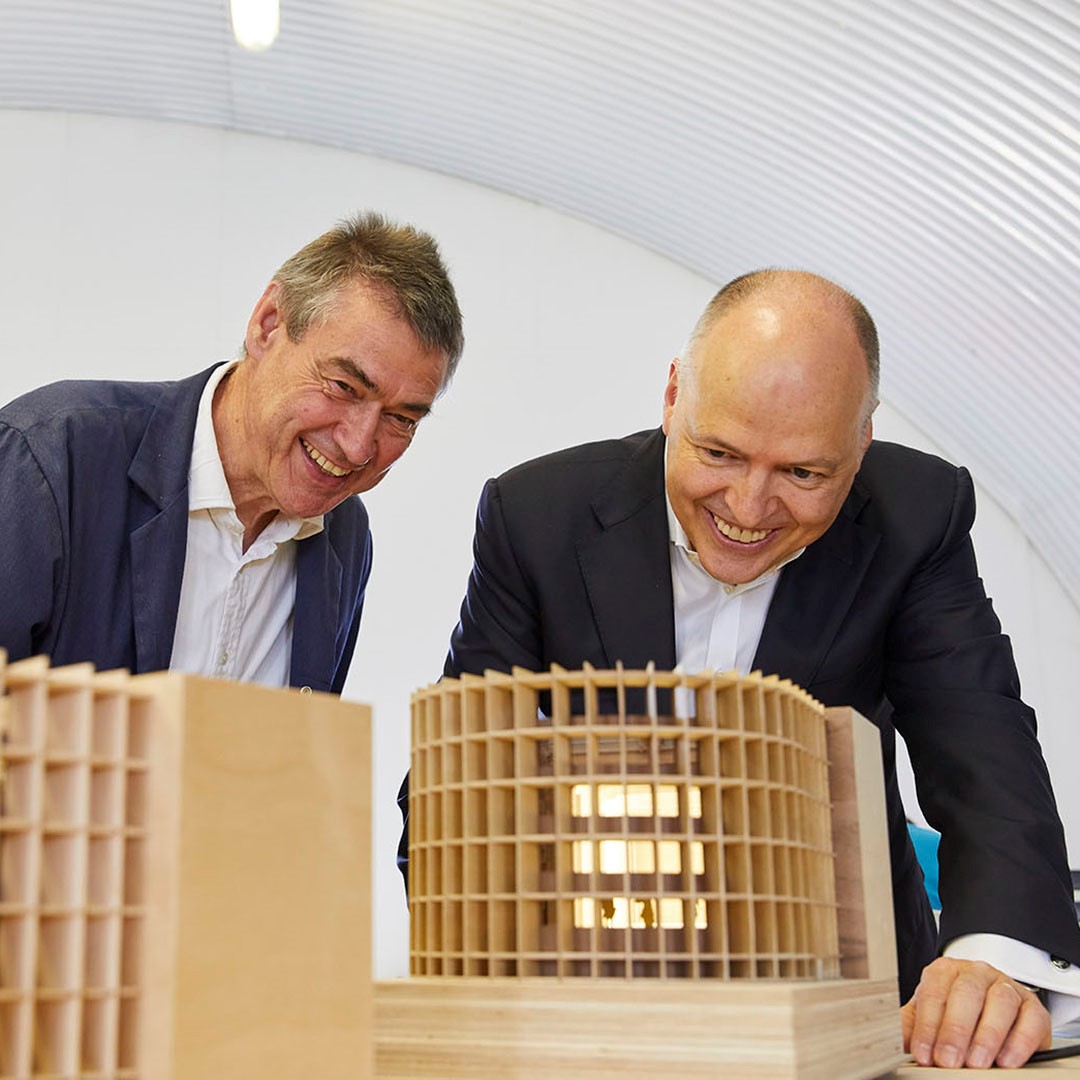
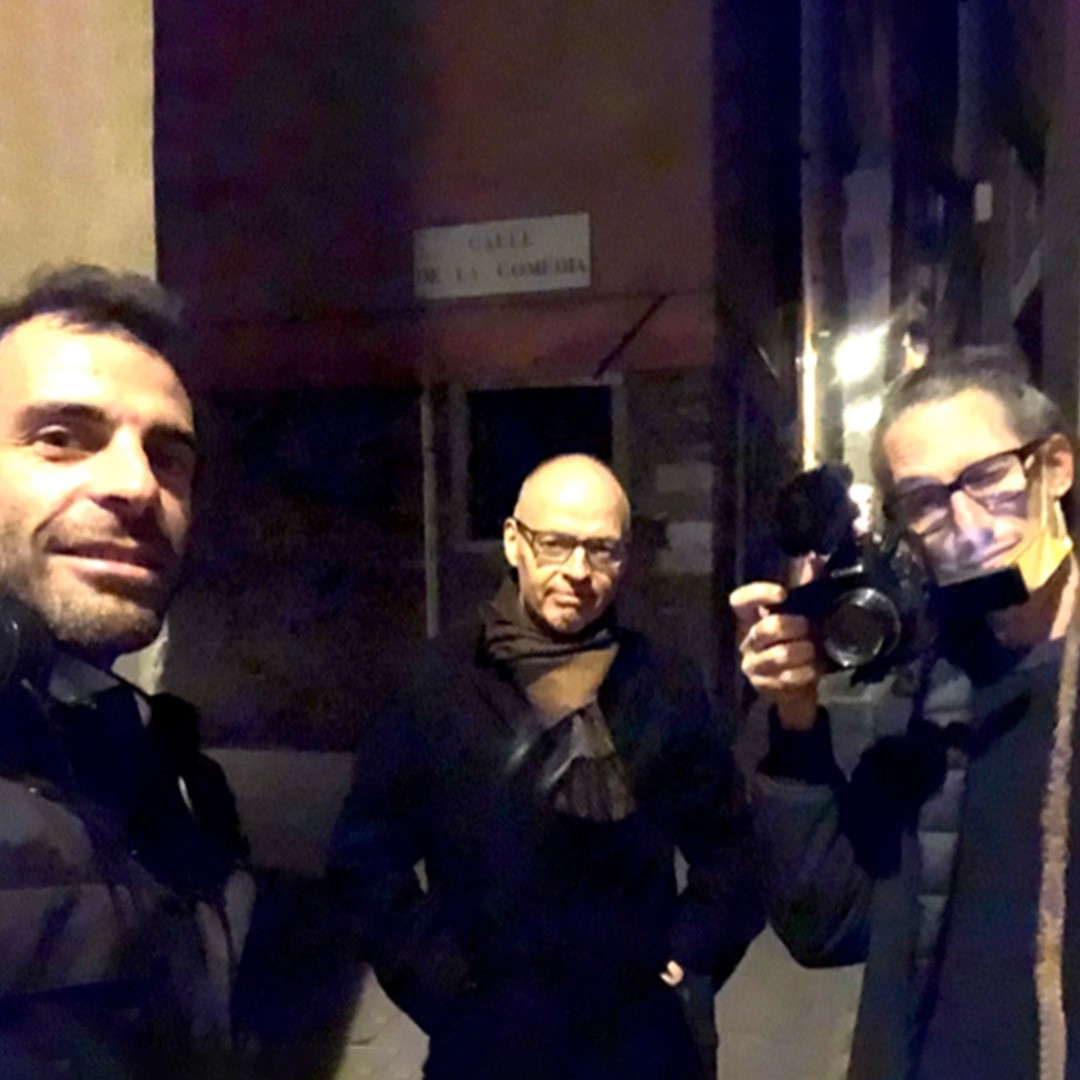
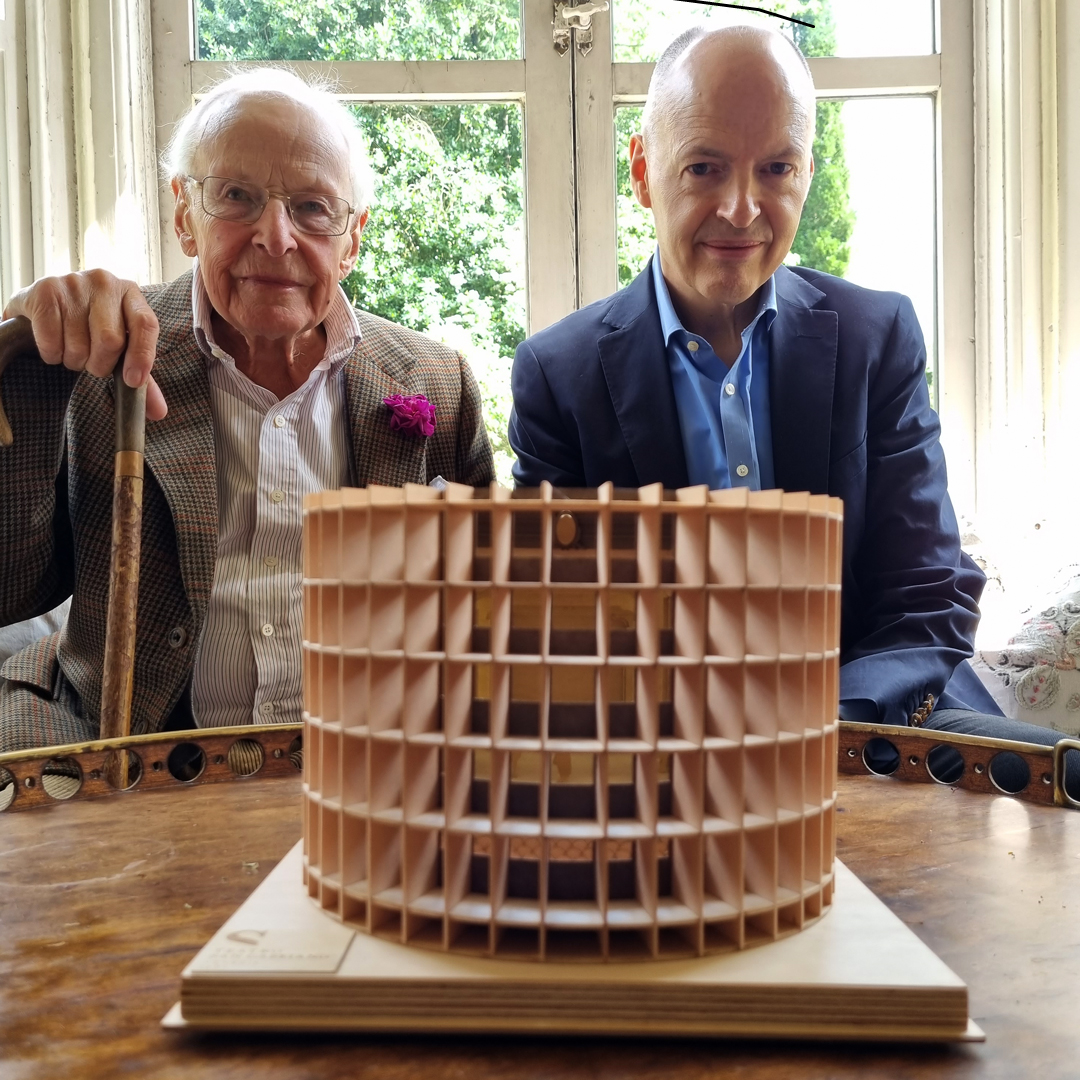
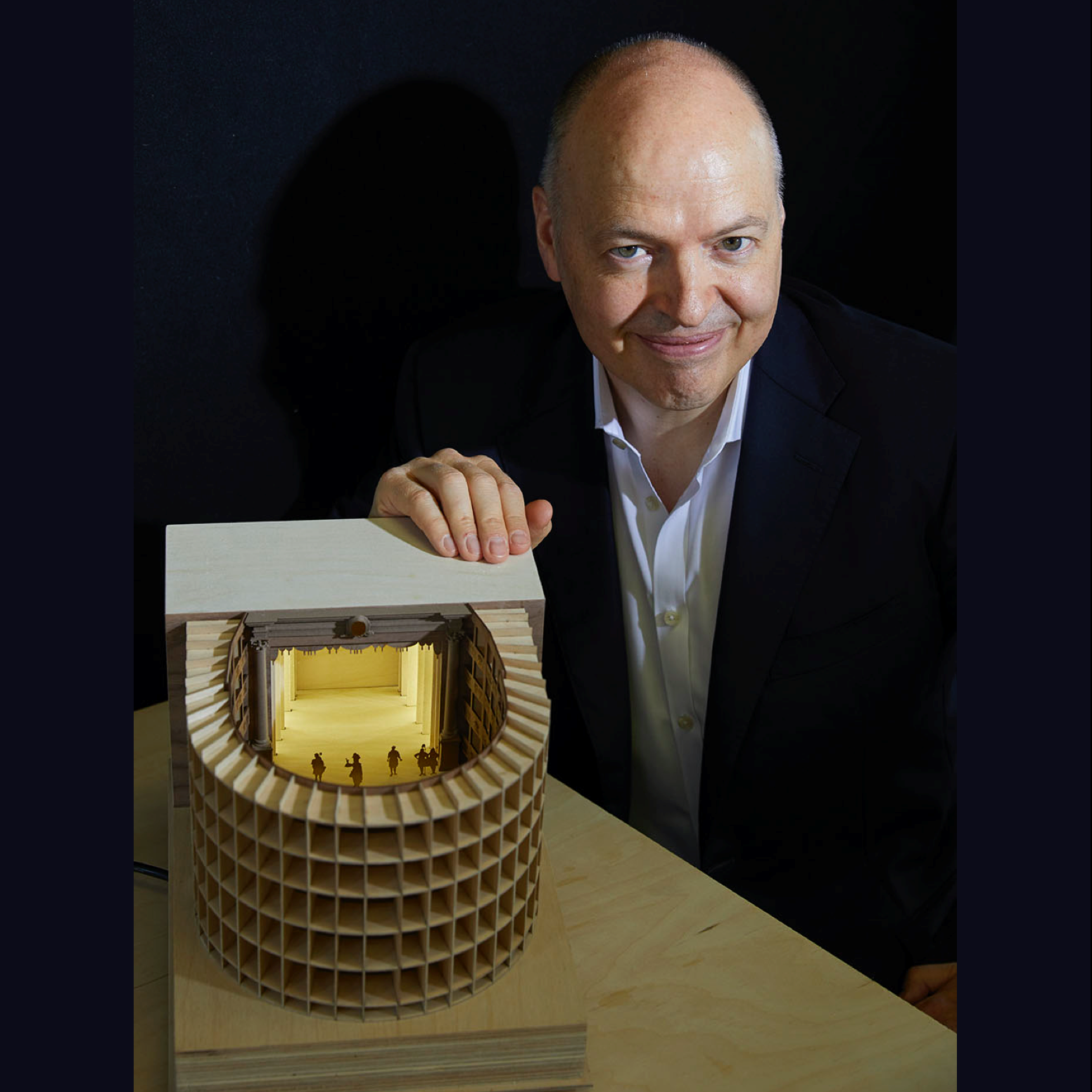
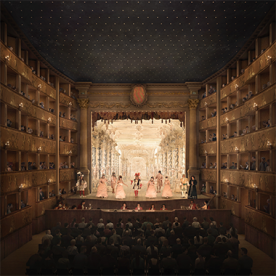
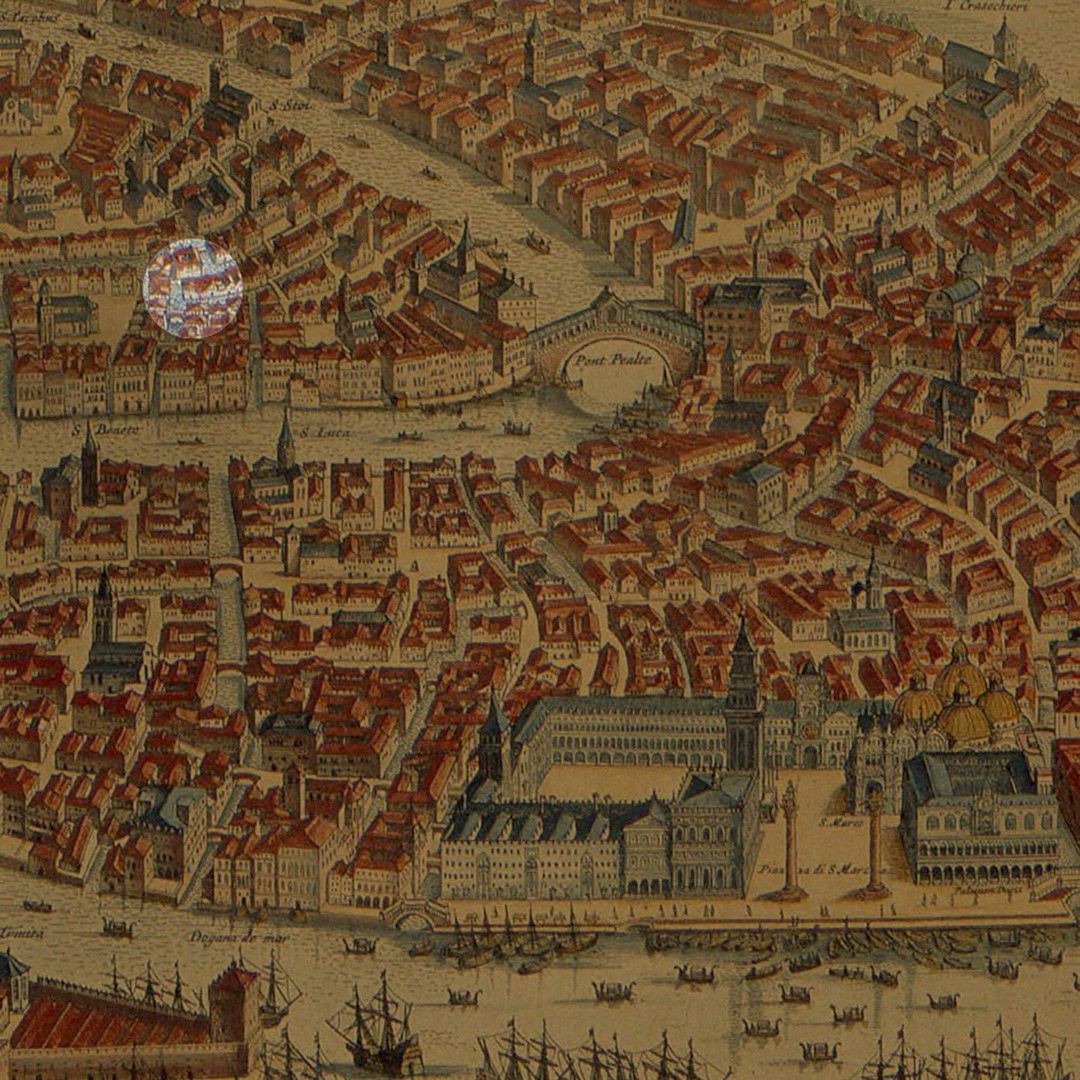
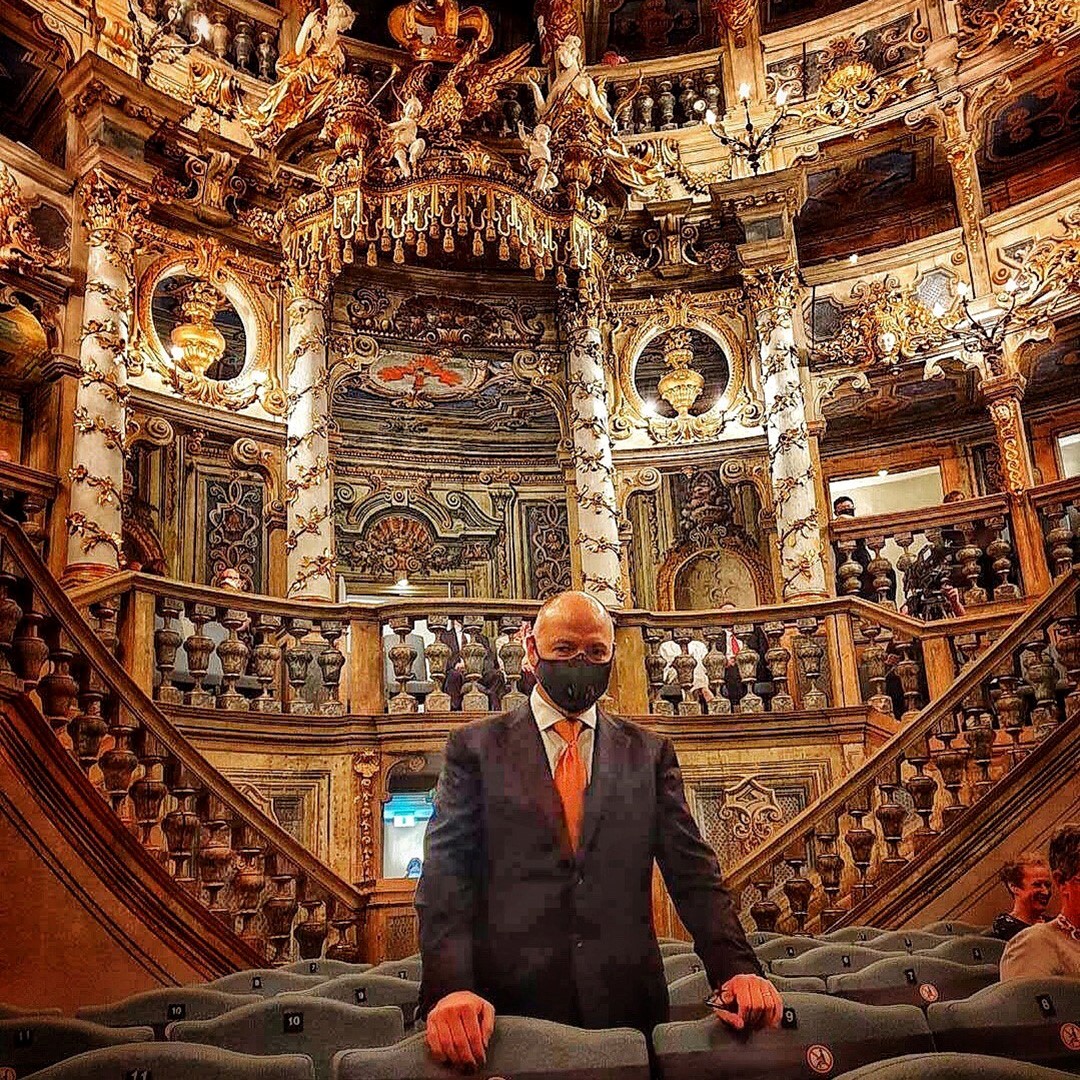
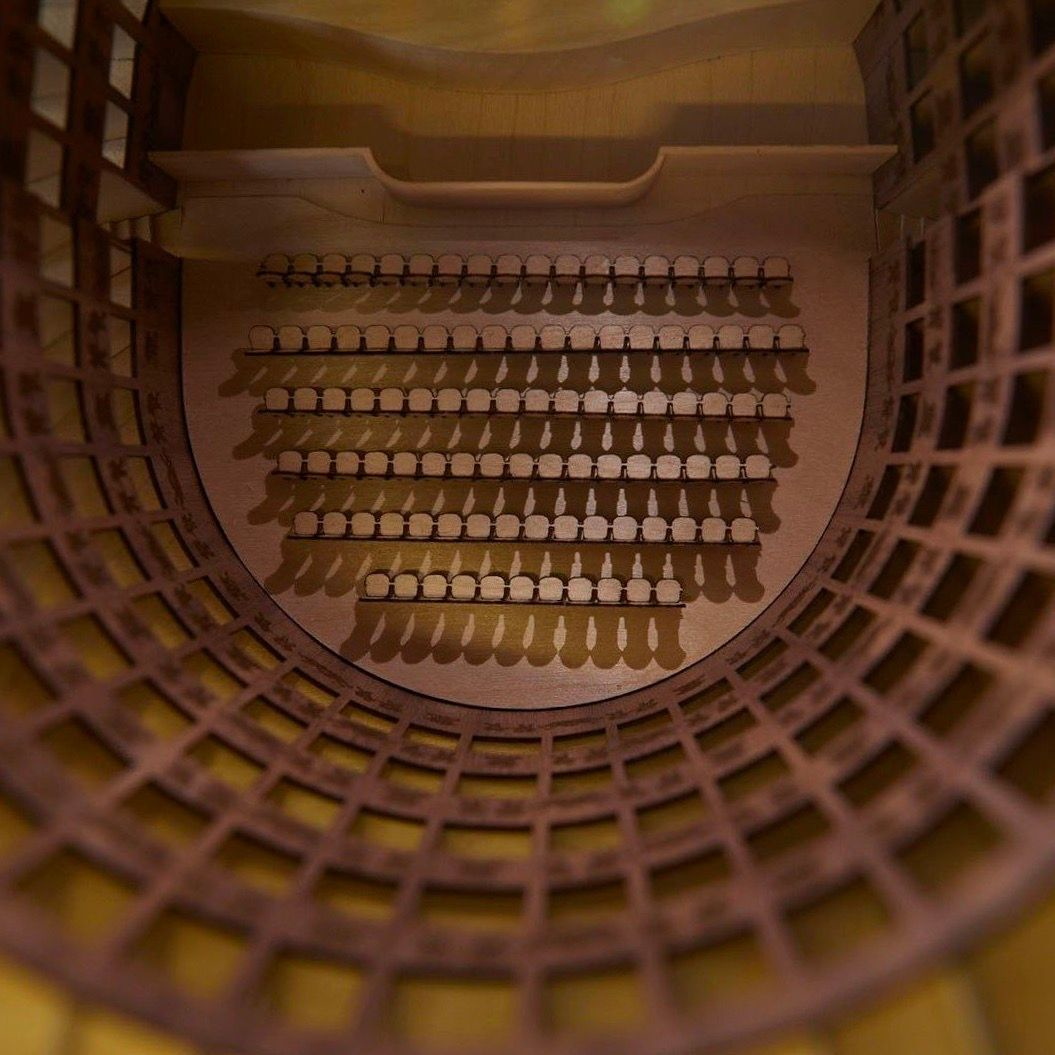
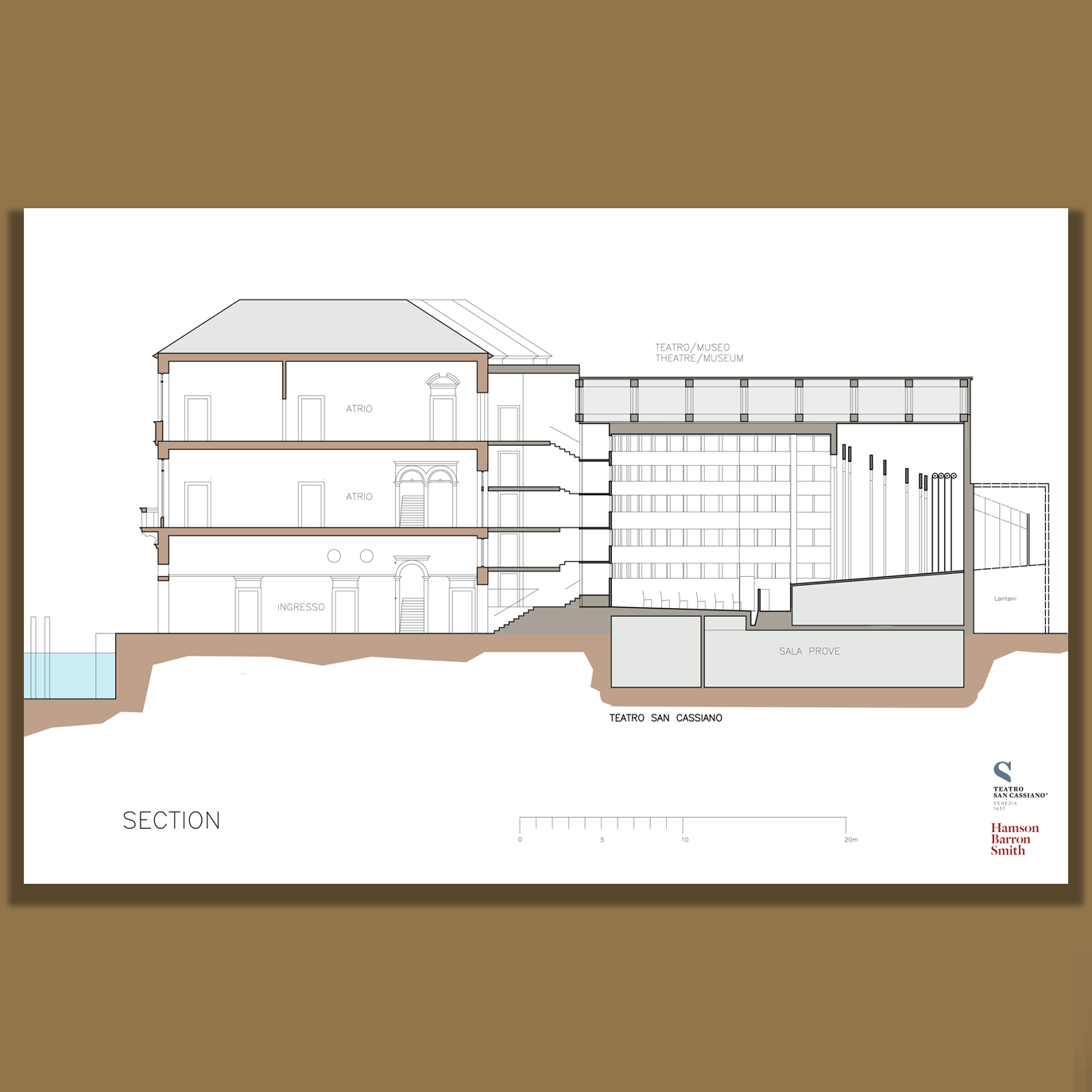
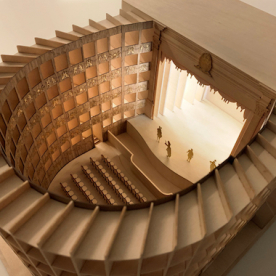
Well, back before Covid, our team of Peter McCurdy, Jon Greenfield and Paul Atkin visited this exquisite theatre to look more closely at wonders like its curved banisters. We are extraordinarily fortunate to be able to examine such precious primary sources, which in turn offer experts like Peter and Jon perfect examples of the techniques used at the time. It helps to ensure absolute integrity in our own historically-informed reconstruction of the Teatro San Cassiano.


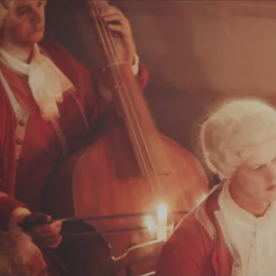
Built according to the stylistic canons of the Renaissance, the elliptical Teatro Anatomico is constructed in the form of an inverted cone over six parallel levels, each equipped with a wooden railing at a height of m. 1.07. The dissecting table is surrounded by six tiers of carved walnut balustrades. The anatomical theatre is perhaps the most obvious example of the spectacularisation of knowledge inaugurated by the Baroque. Music was often performed as an accompaniment to the lessons in order to make the atmosphere less gloomy.  

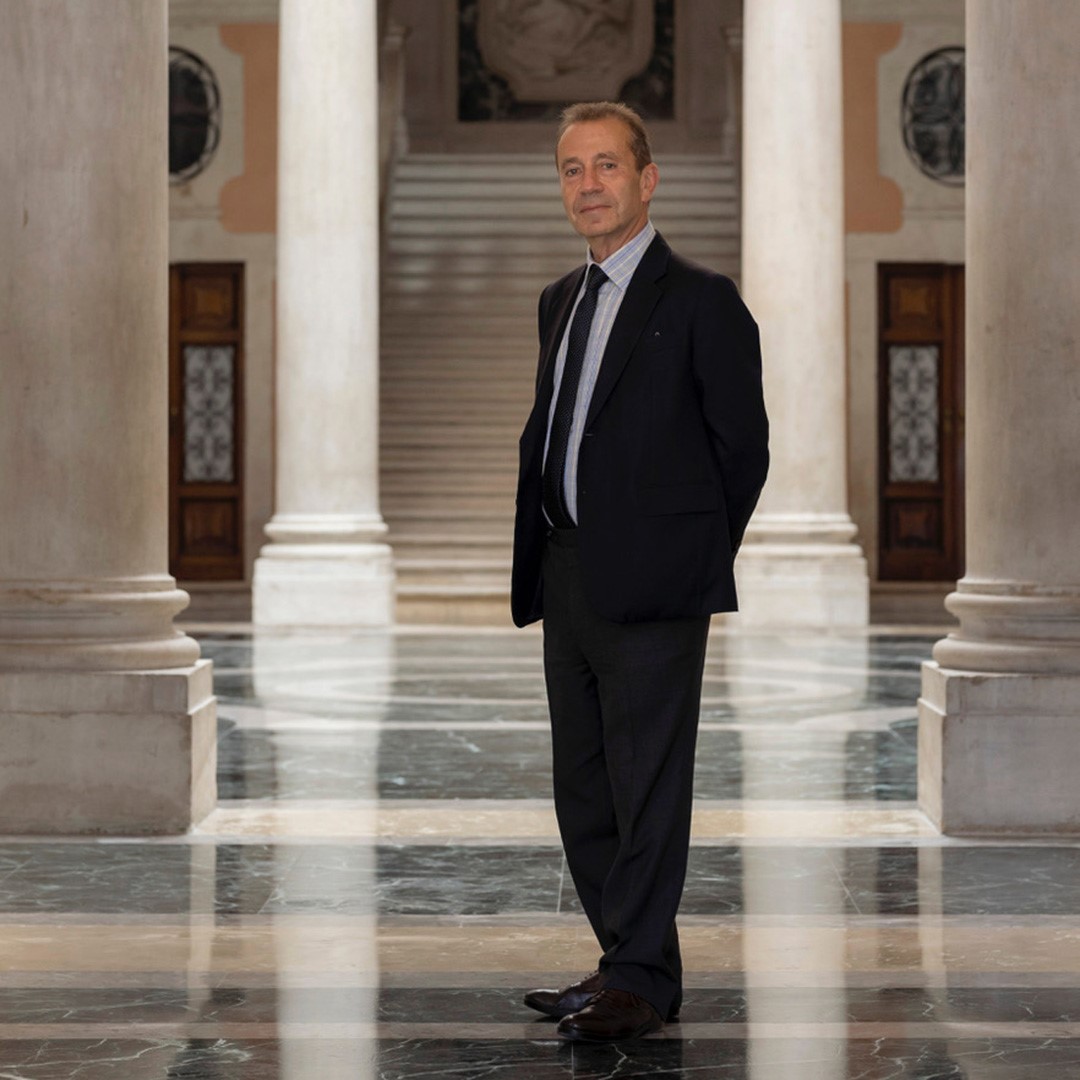
Listen here to Peter McCurdy's thoughts on how to approach the reconstruction of the Teatro San Cassiano:


The Teatro Anatomico can be visited at the Palazzo Bo, University of Padua; it is perfectly preserved and restored.
 
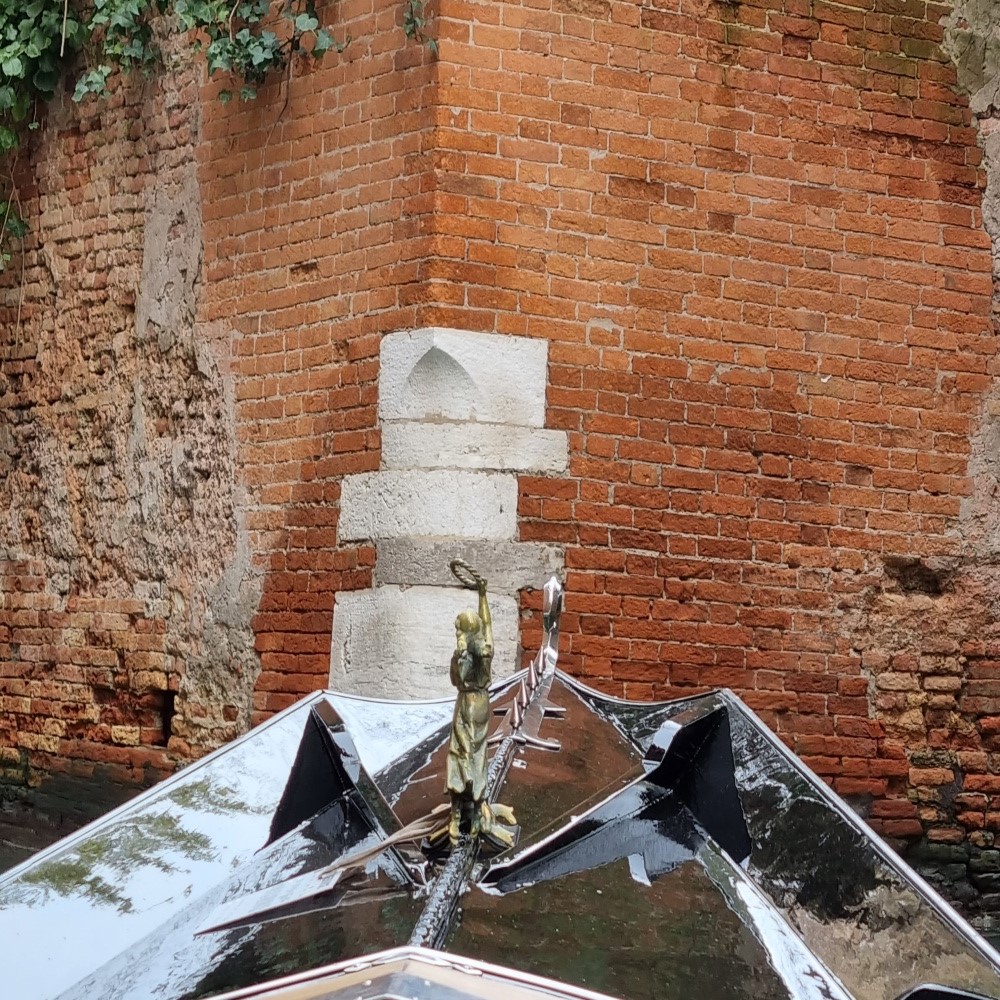
Our thanks to our friends in Padua. Images by Massimo Pistore and Giovanni de Sandre.


2026

2025

Events
Progress Report
Events
Update
Events
Events
Events
Events
Events
Events

2024

2023

News
News
Events
Events
News
Events
News
Events
Events
Events
News
Events
Update
News
Events
Events
Events
Events
News

2022

News
Events
News
Events
Events
Events
News
Events
News
Progress Report
Events
News
Events
Events
News
Events
Events
Events
Events

2021

Events
Events
News
Events
Events
News
Update
Events
Update
Update
Progress Report
Events
News
Update
Events
Events
Events
Progress Report
Events

2020

2019

2018

Progress Report

2017

Progress Report